BrightStar

Alle Events durchsuchen

Bewusste Zusammenkünfte entdecken

events

Yoga
Meditation
Breathwork
Qigong
Tai Chi
Sacred Music
World Music
Medicine Music
Sound Healing
Ecstatic Dance
Beliebte Reiseziele
BaliSedonaLos AngelesCosta RicaNew YorkSan FranciscoAustinMiamiJoshua TreeTulum
Alle Kategorien anzeigenAlle Reiseziele anzeigen

Alle Funktionen entdecken

Leistungsstarke Tools für Ihre Veranstaltungen

Plattform-Funktionen

Intelligente dynamische Preisgestaltung
Ticket-Kategorien
Sitzplatzreservierung
Warenkorbabbruch-Wiederherstellung
Besucher-Wiedergewinnung
Spenden & Staffelpreise
Affiliate-System
Ticket-Scanner
Rabattcodes
Individuelle Fragen
Ticket-Teilen
Upsells & Extras
Analysen & Berichte
E-Mail-Sequenzen
Warteliste / Benachrichtigen / Erinnern
Menschen & Orte
Artists & TeachersEvent OrganizersVenues & StudiosKnowledge BaseGlossaryInspiration
Alle Funktionen anzeigenÜber uns
PreiseBlog
Language
Saved events
Alle Veranstaltungen durchsuchen

events

YogaMeditationBreathworkQigongTai ChiSacred MusicWorld MusicMedicine Music

Beliebte Reiseziele

BaliSedonaLos AngelesCosta RicaNew YorkSan Francisco

Menschen & Orte

Artists & TeachersEvent OrganizersVenues & StudiosKnowledge BaseGlossaryInspiration

Plattform-Funktionen

Intelligente dynamische PreisgestaltungTicket-KategorienSitzplatzreservierungWarenkorbabbruch-WiederherstellungBesucher-WiedergewinnungSpenden & StaffelpreiseAffiliate-SystemTicket-ScannerRabattcodesIndividuelle FragenTicket-TeilenUpsells & ExtrasAnalysen & BerichteE-Mail-SequenzenWarteliste / Benachrichtigen / Erinnern
Alle Funktionen anzeigenÜber uns
PreiseBlog
AnmeldenSuchendeKreative
  • Alle Events durchsuchen
  • Für Suchende
  • Yoga
  • Meditation
  • Breathwork
  • Qigong
  • Tai Chi
  • Heilige Musik
  • Weltmusik
  • Medicine Music
  • Klangheilung
  • Ecstatic Dance
  • Retreats
  • Workshops
  • Alle Kategorien →
  • Bali
  • Sedona
  • Los Angeles
  • Costa Rica
  • Tulum
  • Byron Bay
  • San Francisco
  • Austin
  • New York
  • San Diego
  • Denver
  • Seattle
  • Portland
  • Miami
  • Alle Städte →
  • Join the Movement
  • Why we list
  • Sell Globally
  • Für Kreative
  • Für Teams
  • Für Autoren
  • Für Lehrer
  • Für Kirtan-Künstler
  • Für Studios
  • Für Festivals
  • Für Retreat-Zentren
  • Für gemeinnützige Organisationen
  • Markenbotschafter
  • Kostenloses Ticketing
  • Elevate
  • Amplify
  • 500.000+ Käufernetzwerk
  • Warenkorbabbruch-Wiederherstellung
  • Intelligente dynamische Preisgestaltung
  • Ticket-Kategorien
  • Wiederkehrende Veranstaltungen
  • Sitzplatzreservierung
  • Affiliate-System
  • Warteliste / Benachrichtigen
  • Ticket-Scanner
  • Einbettungs-Widget
  • Event-Syndication
  • Nachrichten
  • Integrationen
  • Berichte
  • Alle Funktionen →
  • Über uns
  • Das Ökosystem
  • Blog
  • Glossar
  • Inspiration
  • Hilfe-Center
  • Kontakt
  • API-Dokumentation
  • Marken-Assets
  • Karriere
  • Presse
  • Nutzungsbedingungen
  • Datenschutzrichtlinie

Events

  • Alle Events durchsuchen
  • Für Suchende
  • Yoga
  • Meditation
  • Breathwork
  • Qigong
  • Tai Chi
  • Heilige Musik
  • Weltmusik
  • Medicine Music
  • Klangheilung
  • Ecstatic Dance
  • Retreats
  • Workshops
  • Alle Kategorien →

Reiseziele

  • Bali
  • Sedona
  • Los Angeles
  • Costa Rica
  • Tulum
  • Byron Bay
  • San Francisco
  • Austin
  • New York
  • San Diego
  • Denver
  • Seattle
  • Portland
  • Miami
  • Alle Städte →

Für Kreative

  • Join the Movement
  • Why we list
  • Sell Globally
  • Für Kreative
  • Für Teams
  • Für Autoren
  • Für Lehrer
  • Für Kirtan-Künstler
  • Für Studios
  • Für Festivals
  • Für Retreat-Zentren
  • Für gemeinnützige Organisationen
  • Markenbotschafter
  • Kostenloses Ticketing
  • Elevate
  • Amplify

Funktionen

  • 500.000+ Käufernetzwerk
  • Warenkorbabbruch-Wiederherstellung
  • Intelligente dynamische Preisgestaltung
  • Ticket-Kategorien
  • Wiederkehrende Veranstaltungen
  • Sitzplatzreservierung
  • Affiliate-System
  • Warteliste / Benachrichtigen
  • Ticket-Scanner
  • Einbettungs-Widget
  • Event-Syndication
  • Nachrichten
  • Integrationen
  • Berichte
  • Alle Funktionen →

Unternehmen

  • Über uns
  • Das Ökosystem
  • Blog
  • Glossar
  • Inspiration
  • Hilfe-Center
  • Kontakt
  • API-Dokumentation
  • Marken-Assets
  • Karriere
  • Presse
  • Nutzungsbedingungen
  • Datenschutzrichtlinie
BrightStar
Hol dir die App
Laden imApp StoreJetzt beiGoogle Play
© 2026 BrightStar. Alle Rechte vorbehalten.
Inspire

And We Dance: The One-Hour Duet Born at Imaginary Road

Jeff Oster
Jeff Oster
Sep 4, 2015
8 Min. Lesezeit

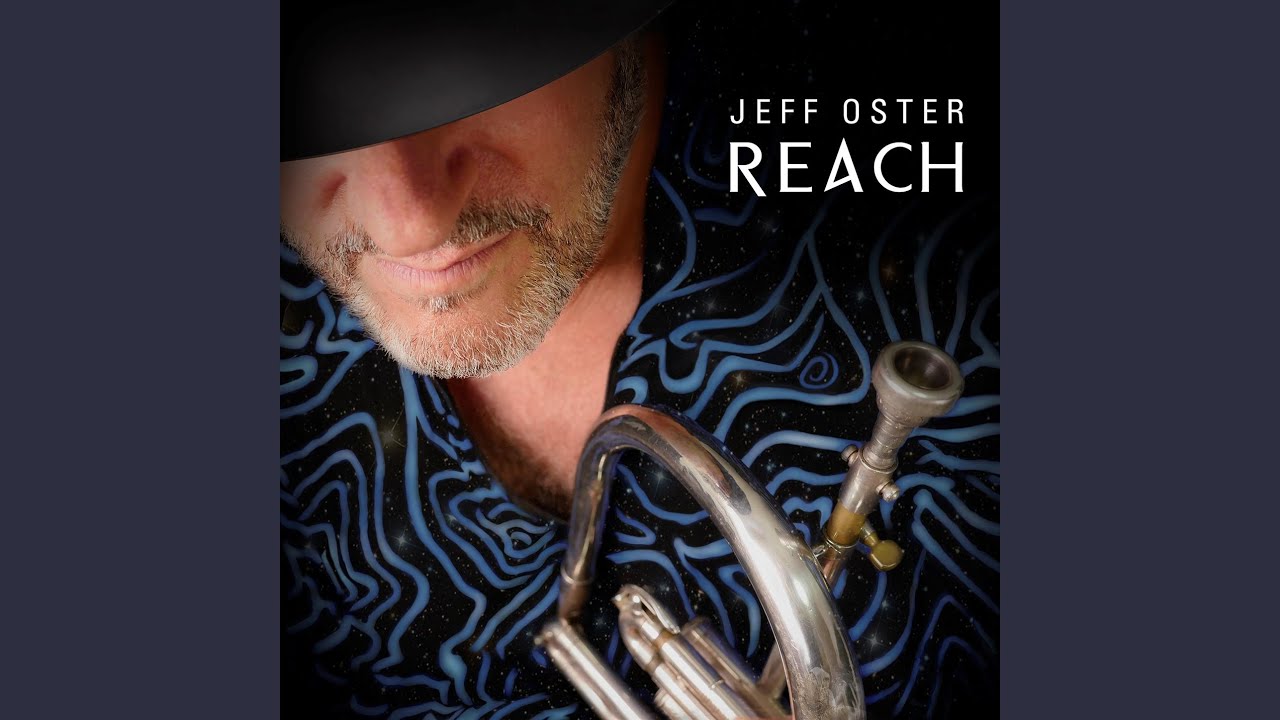
The song was the last thing anyone expected to finish. It was the final track of six days of recording for the album NEXT, tracked at Imaginary Road, the studio belonging to guitarist and producer Will Ackerman, and it came together from start to finish in roughly an hour, on the last afternoon of the session. Jeff Oster, who plays flugelhorn on the track and co-wrote it with Ackerman, has described the sequence in the notes that accompany the video: Ackerman picks up his guitar near the end of the day and says, in Oster's account, "well, this might be something," then plays the guitar tracks that would become the song's foundation. Ackerman leaves the room while his parts are recorded, because he prefers not to sit in on the editing. Once the song is in place, Oster sets up a microphone, moves a Steinway B back into the main room, writes a horn melody while he plays it, and an engineer captures it in a single pass. What you hear is almost entirely that first take. That is the whole story of "And We Dance" in miniature: a small, fast, nearly accidental piece of music that holds up because nobody overthought it.

Lesen · 7 Abschnitte

What actually happened in the last hour of the session?

Most records are built from the outside in. Drums get booked, a bass line gets pinned down, vocals get stacked, and the song slowly accumulates a shape. "And We Dance" went the other way. The sessions for NEXT had been long, and by the final day the work had become a matter of momentum. Ackerman's guitar parts arrived first, and they arrived complete. The notes describe those tracks as "the beautiful guitar tracks we captured for this song," which is the phrase a player uses when a take is so right that the rest of the arrangement has to bend toward it.

There is a practical detail in the notes that matters more than it first appears. Ackerman, in Oster's telling, won't sit in the room while his tracks are edited. The guitarist records his part, steps out, and lets the song be assembled without his presence. That is a particular kind of trust, and it says something about how the two men worked: one player's contribution is treated as a finished object, and the job of the other is to place it correctly and add what the song still needs.

Why did the room change between the guitar and the flugelhorn?

Before Oster could play, the room itself had to change. The notes say the team had already reconfigured the space, and that they moved the Imaginary Road Steinway B back into the main room. A piano in the room is not decoration here. It sets the acoustic character of the place, and once it was back where it belonged, the room sounded the way it would sound for the horn. Then a microphone went up for Oster.

The microphone placement is worth dwelling on, because a flugelhorn is an unforgiving instrument to capture in a room that is not ready for it. Flugelhorn is a brass instrument in the same family as the trumpet, with a wider bore and a rounder, more mellow tone than its sharper cousin. Its sound depends on breath, on how the air moves through the player, and on how the room answers back. The fact that Oster chose to play it on a record built around guitar, in a studio with a grand piano sitting in the main room, places it in a sonic conversation rather than on top of one.

How did a melody written on the spot end up as a single take?

This is the part of the story that a musician will recognize immediately. Oster did not arrive with a finished horn line on paper. He wrote the melody as he played it, and an engineer, Tom Eaton, recorded it. The notes state that the take was made "in ONE TAKE, straight through on 99% of what you hear." Writing and performing at the same time is risky. Every phrase has to be right in the moment, and the performer has no chance to revise the shape of the idea in the middle of the performance.

When the take was done, Oster wanted to change it. The notes preserve Eaton's response, which is one of the most useful lines in the whole account: Oster recalls Eaton saying "NO...it was SO fast, and SO perfectly easy." That exchange captures a principle every recording musician eventually learns. A performance that came out easily, that didn't require strain, often carries a quality that a more deliberate, reworked version loses. The engineer heard that quality and insisted on keeping it.

Ackerman returned after that, and the team made a few adjustments, "tweaked a few note placements," as Oster put it, and then they were finished. That phrase is important. The changes were small. They did not rebuild the performance. They nudged a handful of notes, which is how a good take usually gets finished: it gets refined at the edges, not rewritten at the center.

What is the "dream come true" series, and why does it matter?

Oster frames "And We Dance" as one entry in a series he calls his "dream come true" recordings: pieces made with just the two of them, himself and Ackerman. In the notes he lists four so far, "At Last, Released, On One Knee and now And We Dance." The series is small, and that smallness is the point. A duet with one horn and one guitar leaves no room to hide. Every choice is audible. For a player who has spent a career inside larger arrangements, a stripped-down pairing is a way of getting back to the most basic exchange in music: one voice answering another.

The duet format also explains why the song sounds the way it does. There is no rhythm section to lean on and no vocal to carry the lyric. The guitar supplies the harmonic and rhythmic ground, and the flugelhorn supplies the melody and the emotional line. When both players are that exposed, the intimacy in a take is not something you can manufacture afterward in a mix.

Why is a family moment in the video?

The video for the track features Oster's daughter, Samantha Rose, who appears "joining me for all too brief a moment," as the description puts it. Oster adds, with a parent's understatement: "They grow up so fast." The video was made by Oster and Craig Merrill, edited by Oster, and it thanks Michaela Lynch and Dance Arts Project. The notes name these collaborators without elaborating on their roles, so the reader should take the credits at face value rather than read more into them.

What the family moment adds is a human frame around a song that was born in a sealed session. The recording was an hour of concentrated work at the end of a long run. The video places the music back into ordinary life, where a song becomes something other people can see and move to.

What does a one-hour song teach a working musician?

The lessons here are not abstract. First, the strongest material can arrive late in a session, when the pressure is off and the players are relaxed enough to take a chance. Second, a well-made first take is worth protecting. Oster wanted to change his horn line, and the engineer talked him out of it. Third, small corrections are usually enough. The adjustments to note placement were modest, and they finished the job without disturbing what worked.

Finally, the track shows what happens when two players trust each other's judgment. Ackerman steps out while his guitar is edited. Oster plays the melody cold, with no chance to fix it. Eaton holds the line on a take he could have second-guessed. The result is a song that sounds effortless because the process around it was disciplined, not because it was careless.

Where to go from here

If you want to hear the piece, the source is the video itself, along with the album NEXT, which was released on 14 April 2015. The credits list Oster on flugelhorn, Ackerman on guitar, Eaton as engineer, and Oster and Ackerman as co-writers. Listen with the production notes in mind: notice how sparse the arrangement is, how the guitar holds the harmonic floor, and how the horn enters as if it had been waiting for the right moment. For anyone interested in the duet format, the "dream come true" series is a natural next step, and the songs listed in Oster's notes, At Last, Released, and On One Knee, offer a way to hear how the same pairing approaches different material.

Comments

Loading the conversation…

Jeff Oster
ArtistJeff Oster

Jeff Oster is a Grammy-nominated trumpet and flugelhorn player whose ambient, groove-minded music has earned multiple Zone Music Reporter Album of the Year honors and collaboration…

Profil ansehenWebsite
Themen erkunden
FlugelhornWill-ackermanOne-take-recordingImaginary-road-studioJeff-oster

Hast du Fragen?

Häufig gestellte Fragen

According to Oster's notes accompanying the video, the song was the last of six days of recording for the album NEXT at Imaginary Road, Will Ackerman's studio. Ackerman's guitar parts were tracked first, and then Oster wrote and recorded the flugelhorn melody in a single take, with only a few note placements adjusted afterward. The whole song reportedly came together in about an hour.
The credits list Jeff Oster on flugelhorn and Will Ackerman on guitar. The track was written by Oster and Ackerman together and engineered by Tom Eaton. Ackerman is described as a Grammy winner for Best New Age Album and the founder of Windham Hill Records.
Oster wanted to alter the horn line after it was recorded, but engineer Tom Eaton told him no, saying the performance was so fast and so perfectly easy that it should be kept. Oster's notes say Ackerman came back and they tweaked only a few note placements before finishing. The episode shows why a relaxed first take can be worth protecting.
A flugelhorn is a brass instrument in the same family as the trumpet, with a wider bore that gives it a rounder, more mellow tone. Players rely heavily on breath and on how the room responds to the sound. On And We Dance it provides the melody over a guitar foundation.
In the notes to the video, Oster describes a series of recordings made with just himself and Will Ackerman. He lists four so far: At Last, Released, On One Knee, and And We Dance. The duet format leaves the performers very exposed, so every choice is audible.
The track is from the album NEXT, which the credits state was released on 14 April 2015. Oster's notes say the sessions took place over six days at Imaginary Road, Will Ackerman's studio. The notes also say the piano used was a Steinway B that was moved back into the main room.

Weiterlesen

More from Jeff

Alle anzeigen
Brothers Album: Acoustic Music from Windham Hill's Founder
Inspire

Brothers Album: Acoustic Music from Windham Hill's Founder

Brothers pairs Will Ackerman's acoustic guitar with flugelhorn and layered keyboards in a GRAMMY-nominated collection of videos. Here is wha…

1 min read
Jeff Oster's "The Lotus Within": What the Single Tells Us
Inspire

Jeff Oster's "The Lotus Within": What the Single Tells Us

Jeff Oster's "The Lotus Within" is a 2018 single released through Retso Records, listed on YouTube at just over seven minutes. This piece co…

1 min read
Hanuman Chalisa in One Take: Raw Presence and Craft
Inspire

Hanuman Chalisa in One Take: Raw Presence and Craft

Adam Bauer records a devotional Hanuman Chalisa in a single take at sunset, channeling inspiration from a documentary about the revered sain…

1 min read
Sita Ram Chant: Lyrics, Meaning and Tina Malia's Bridge to Vallabha
Inspire

Sita Ram Chant: Lyrics, Meaning and Tina Malia's Bridge to Vallabha

A five-minute devotional track built on the Sita Ram chant, with its printed lyrics, what the captions reveal about the performance, and wha…

1 min read

Weiter erkunden

Setze deinen Weg fort

Mehr Weisheit und Zusammenkünfte aus dem BrightStar-Verzeichnis.

Mehr Artikel

Durchstöbere die ganze Bibliothek an Lehren, Interviews und Leitfäden.

Zu allen Artikeln →

Lehrer & Künstler

Entdecke die Linien, Musiker und Wegbegleiter der bewussten Welt.

Künstler erkunden →

Event finden

Kirtan, Retreats, Klangbäder, Atemarbeit, Festivals — bald in deiner Nähe.

Events ansehen →