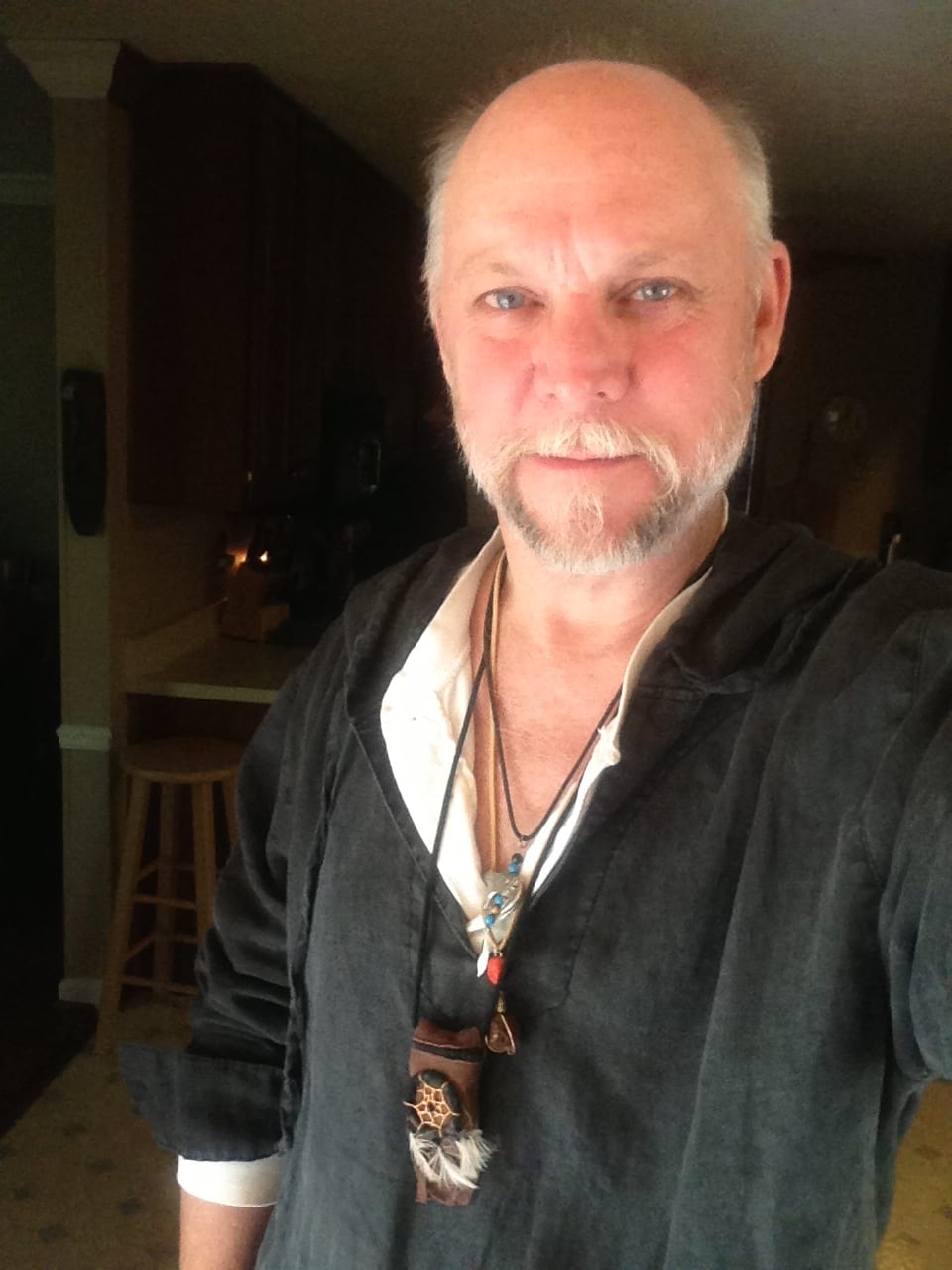

Don Reed Simmons is a meditation teacher, shamanic practitioner, therapeutic sound practitioner, hypnotherapist and visionary consultant. That list may sound sprawling, but it describes a working life built over decades, in which contemplative practice, clinical technique and ceremonial work sit side by side. He does not present them as a single unified system. He holds each in its own terms and trusts students to find the door that suits them.
Simmons grew up on a farm in the South. Two serious illnesses in childhood, together with the animals and people around him, shaped what he describes as a compassionate outlook toward himself and others. The details of those years are not extensively documented, but the through-line is clear enough: an early, personal acquaintance with vulnerability that later became the ground of his teaching. Meditation, by his account, has been part of his life since childhood.
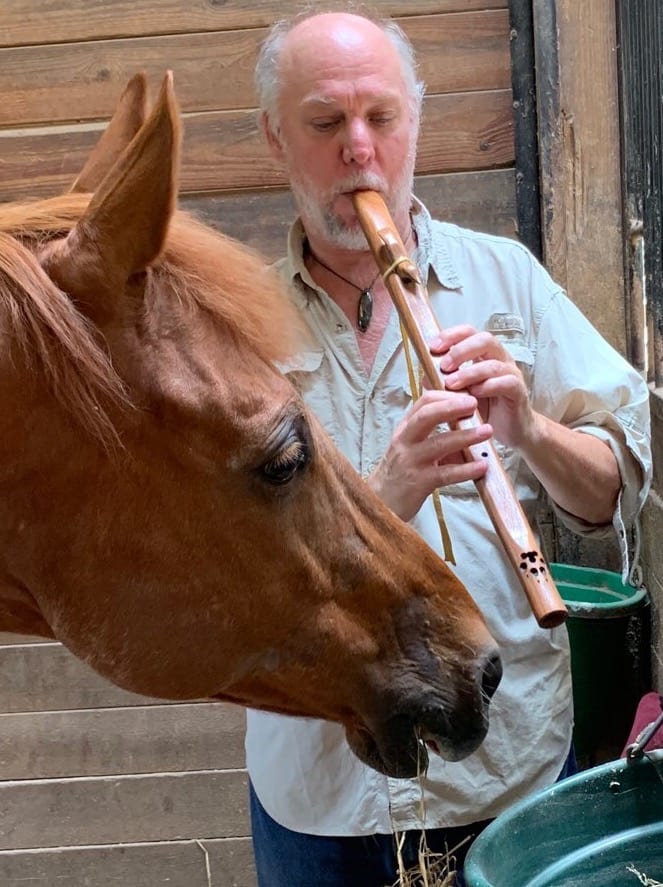
In the 1970s, Simmons survived a near-fatal scuba dive in Hawaii. He marks it as the turning point of his life. Some years afterward, in meditation, a Hawaiian kahuna became his teacher and spirit guide. That relationship is the foundation of "The Shamans Path to Awakened Living," the program he has taught since 2005. The shamanic work he offers grew out of that encounter rather than out of a book, and he teaches it as a structured curriculum.
Before teaching became his central work, Simmons spent almost thirty years in film and video, including producing for the Discovery Channel. According to his own sources, he also produced the docu-series "Mystic Lands." That long career gave him fluency in storytelling and media, and it makes his move toward contemplative work read as a deliberate change of direction rather than a sideline.
Simmons's distinguishing contribution is range held with seriousness. On the meditation side, he has studied with Zen Master Thich Nhat Hanh and with Jon Kabat-Zinn, founder of Mindfulness-Based Stress Reduction. He has led meditations on compassion, mindfulness, loving-kindness and Ho'oponopono, the Hawaiian practice of reconciliation and forgiveness.
On the clinical side, he has been a clinical hypnotherapist since 1993, and in 2009 Dr. Brian Weiss certified him as a Past Life Regression specialist. He has also worked as a crisis counselor in New York, Los Angeles, Atlanta and Honolulu, which means his teaching of compassion has been tested in rooms where people were in real distress.
Many teachers in the secular mindfulness world keep clear of shamanic or past-life frameworks. Simmons does not. He has spoken at Emory University and Kennesaw State University, among others, while also offering shamanic and regression work, and he does not water down either to suit the other. Those who want a single pure lineage may find that scattered. Those who value a teacher who has sat with suffering in several settings, and who is plainspoken about it, may find it a strength.
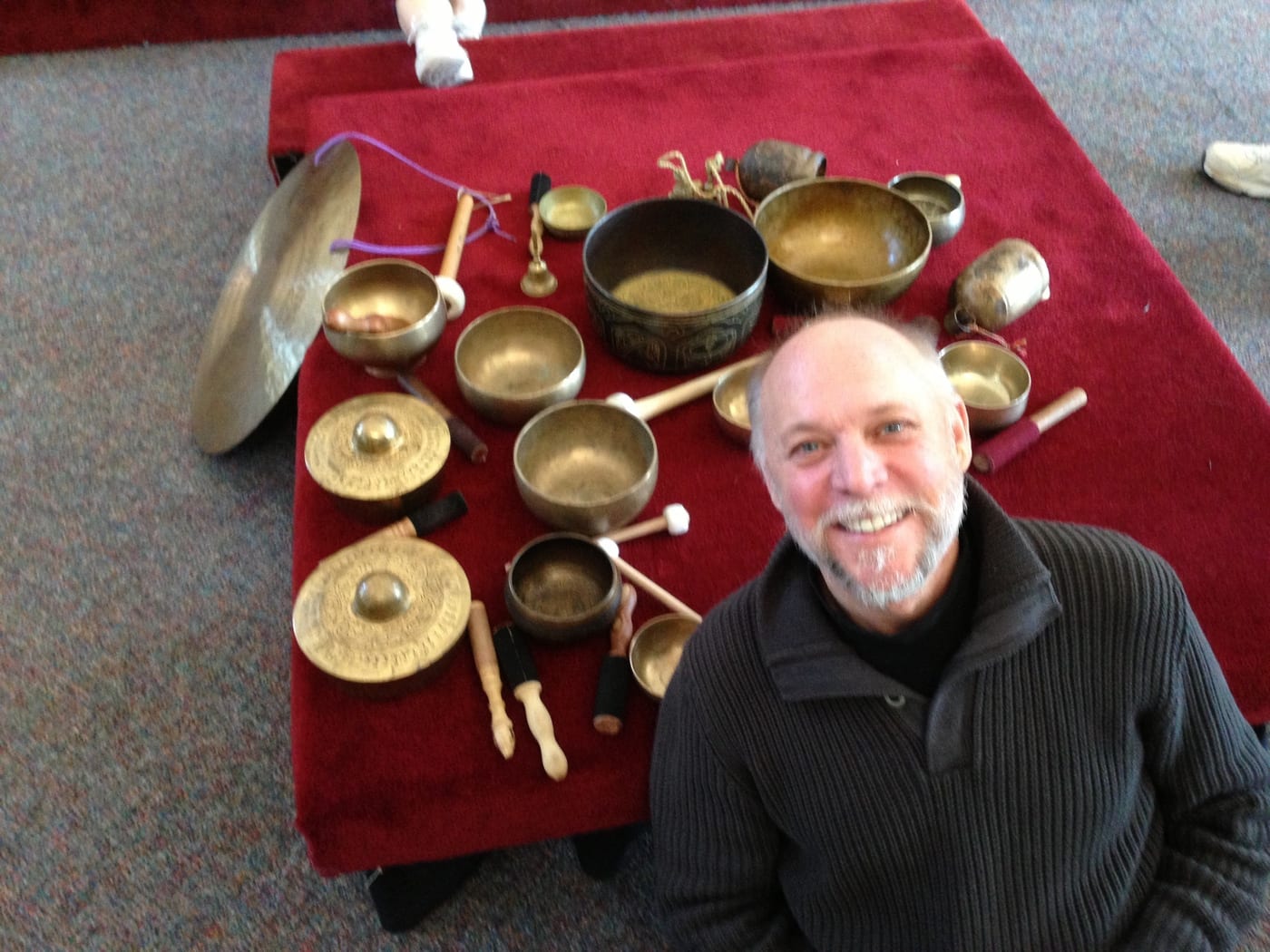
Sound is the other pillar of his practice. Simmons is president of the International Sound Therapy Association, where he created the Sacred Sound Ministry, a program teaching sound as a prayerful, healing modality. His sound work includes Tibetan and crystal bowls.
He has recorded meditation and sound albums and has performed with Steven Halpern and Jonn Serrie, two figures associated with ambient and therapeutic music. His Spotify audience, at roughly 25,650 followers, is modest but real, and it sits within the mindfulness genre. His YouTube channel carries recorded talks and guided meditations. The full catalog is not extensively documented here, and anyone curious is best served by looking at his website, donreedsimmons.com, for what is currently available. He is not a figure of bestseller lists or heavy media circulation, and his reach has been built more through direct teaching, institutions and word of mouth.
In 2015 Simmons founded Visionary Business Consultants, which offers intuitive guidance to business leaders. It is an unexpected extension for a teacher of this kind, but it follows his habit of carrying contemplative skills into worlds that do not usually ask for them. Alongside that, he continues to teach "The Shamans Path to Awakened Living," lead meditations, work with sound, and guide the International Sound Therapy Association.
Simmons reaches people from several directions. Some arrive through mindfulness and loving-kindness practice, which are his most accessible offerings. Others come through sound, which can be a gentler gateway for people wary of sitting meditation. Others still come for shamanic work or for past-life regression. The curriculum asks for curiosity more than prior experience.
His cultural significance lies in his refusal to compartmentalize. At a time when wellness is often packaged as a lifestyle brand, he offers something closer to the older model of a practitioner who has trained, worked in the field, and held institutional responsibility. He carries the marks of a farm childhood, serious illness, a brush with death, decades in media, and years of crisis work, and he brings them to his teaching as ordinary ground rather than as performance.
A teacher with this breadth will not suit everyone. Strict materialists may have little patience for the shamanic and regression work, and those seeking quick productivity gains may find the emphasis on compassion and reconciliation slow. For people who want a thoughtful, grounded guide across contemplative, clinical and ceremonial territory, Don Reed Simmons is a figure worth knowing.