The Courage to Question: Embracing Truth in Inquiry
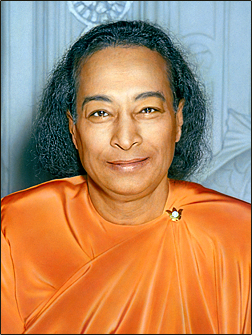
Paramahansa Yogananda's assertion that "Truth is not afraid of questions" invites us into a profound exploration of the nature of truth itself. This statement challenges the often-held belief that truth is static, unyielding, or even dogmatic. Instead, it suggests that truth thrives in an environment of inquiry and openness, where questions serve as the very tools that illuminate deeper understanding. In a world rife with uncertainty and conflicting narratives, this perspective is not only refreshing but essential for personal and collective growth.
To embrace this teaching is to recognize that questioning is not an act of defiance but rather a courageous engagement with the unknown. It encourages us to delve into the depths of our own beliefs and assumptions, fostering a dynamic relationship with truth that is both liberating and transformative. In this light, Yogananda's words resonate as a call to cultivate a spirit of inquiry, inviting us to explore the layers of our existence and the universe around us with curiosity and courage.
The image / the metaphor
At its core, Yogananda's quote evokes a vivid image of truth as a living entity, one that stands resilient and unflinching in the face of scrutiny. The verbs "is" and "afraid" suggest a dynamic interplay between truth and inquiry, where questions act as a catalyst for deeper understanding rather than a threat to the integrity of truth itself. This imagery invites us to envision truth not as a fortress to be defended but as a vast landscape waiting to be explored, where every question serves as a stepping stone toward greater clarity.
Delving deeper into this metaphor, we can see that the act of questioning is akin to a journey through a dense forest, where each inquiry illuminates a path previously obscured by shadows. Just as a traveler must confront the unknown terrain, so too must we confront our own uncertainties and doubts. In this way, questioning becomes an essential practice, a means of navigating the complexities of existence and uncovering the profound truths that lie beneath the surface.
In the speaker's tradition
Yogananda's teachings are deeply rooted in the rich tradition of Hindu philosophy, where concepts such as dharma, or righteous duty, and prajna, or wisdom, play pivotal roles in the pursuit of truth. In this context, the courage to question aligns with the idea of kenosis, or self-emptying, which invites individuals to relinquish preconceived notions and biases in their quest for understanding. This openness to inquiry is not merely an intellectual exercise; it is a spiritual practice that fosters a deeper connection to the divine and the universe.
Moreover, this perspective resonates with the teachings found in the Upanishads, where the pursuit of knowledge is often depicted as a sacred journey. For instance, in the Chandogya Upanishad, the seeker is encouraged to ask questions and engage in dialogue as a means of uncovering the ultimate reality, or Brahman. This ancient wisdom underscores the timeless nature of Yogananda's assertion, reminding us that the path to truth is paved with curiosity and a willingness to embrace the unknown.
Living the teaching
In our modern lives, the teaching that "Truth is not afraid of questions" can manifest in various scenarios, particularly in the realm of personal growth. Consider a situation where an individual grapples with a significant life decision, such as changing careers or ending a relationship. The fear of uncertainty may lead them to suppress their questions, opting instead for the comfort of familiarity. However, by embracing inquiry and allowing themselves to ask difficult questions, they can uncover deeper truths about their desires, values, and aspirations, ultimately leading to a more authentic and fulfilling life.
This teaching also finds resonance in our interpersonal relationships. When conflicts arise, the instinct may be to avoid difficult conversations or to cling to our own perspectives. Yet, by fostering an environment where questions are welcomed, we create space for understanding and connection. Engaging in open dialogue allows both parties to explore their feelings and beliefs, paving the way for resolution and deeper intimacy. In this way, the courage to question not only enriches our personal journeys but also strengthens the bonds we share with others.
A reflection
As we contemplate Yogananda's profound insight, we are invited to reflect on our own relationship with truth and inquiry. Are there areas in our lives where we shy away from asking difficult questions, fearing the answers we might uncover? In what ways can we cultivate a spirit of curiosity that embraces uncertainty and invites deeper understanding? Let this contemplation guide us toward a more courageous engagement with the truths that shape our existence.


