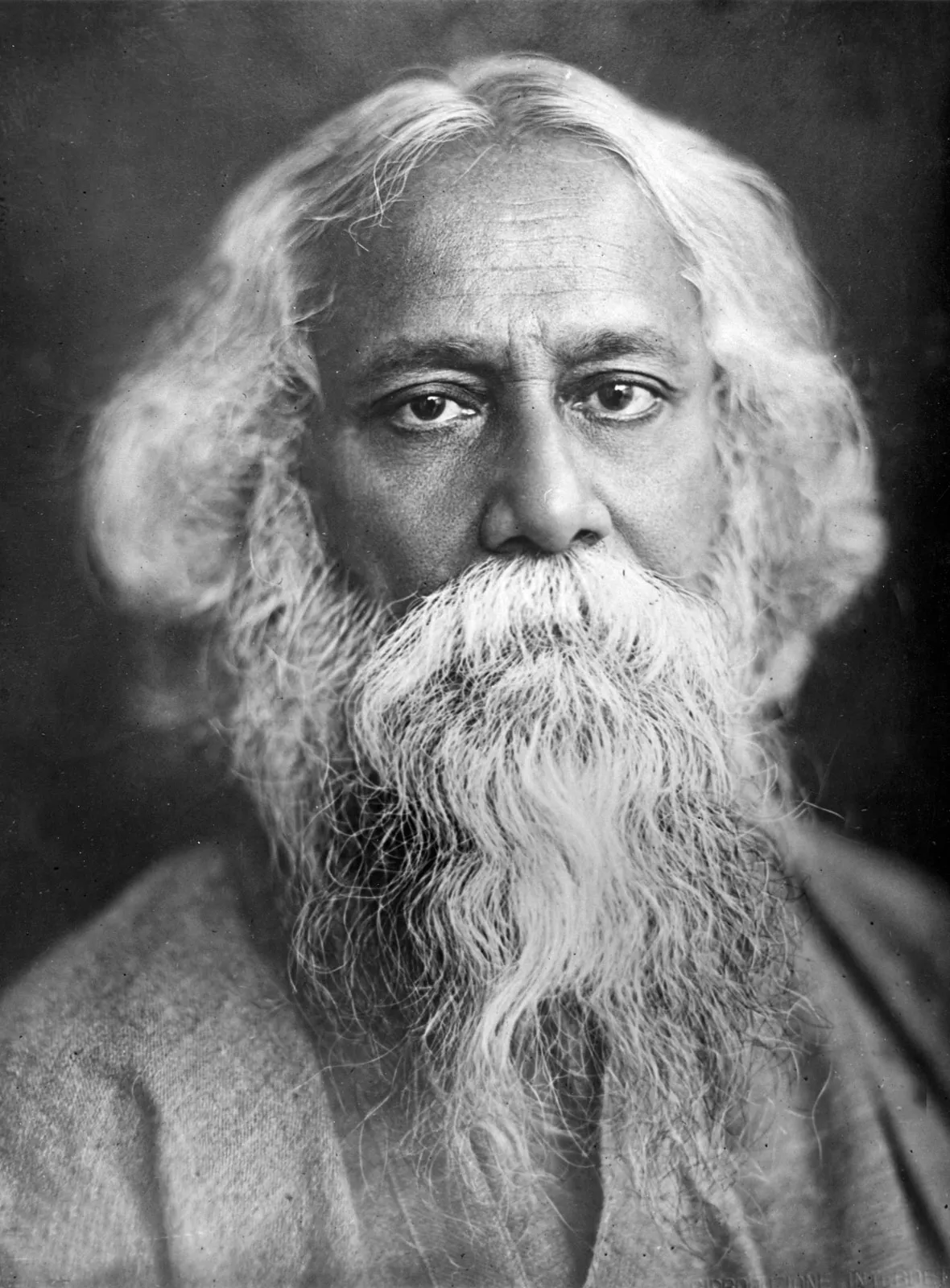
In the quote, "I have dipped the vessel of my heart into this silent hour; it has filled with love," Rabindranath Tagore invites us to explore the profound connection between silence and love. He suggests that in moments of stillness, we can access a deeper reservoir of affection and compassion within ourselves. This notion resonates with the human experience, as we often find that our most genuine feelings emerge when we allow ourselves to pause and reflect. The stakes are high; in a world filled with noise and distraction, the ability to cultivate love through silence becomes a vital practice for personal and collective well-being.
Tagore's words remind us that love is not merely an emotion but a state of being that can be nurtured through intentional presence. By dipping into the "silent hour," we engage in a contemplative act that transcends the chaos of daily life. This practice of stillness allows us to connect with our inner selves, fostering a sense of peace that can overflow into our relationships with others. As we explore this quote further, we uncover layers of meaning that speak to the essence of love, silence, and the transformative power of presence.
The image / the metaphor
The imagery in Tagore's quote is rich and evocative. The "vessel of my heart" suggests a container that holds our deepest emotions, while "dipped" implies an active engagement with the silent hour. This act of dipping evokes a sense of immersion, as if the heart is being submerged in a tranquil sea of stillness. The phrase "filled with love" indicates that this silence is not an empty void but a fertile ground from which love can emerge and flourish. The verbs chosen—dipped, filled—convey a dynamic process, emphasizing that love is something we can actively cultivate through our willingness to embrace silence.
Diving deeper into the metaphor, we can see that the "silent hour" represents more than just a moment of quietude; it symbolizes a sacred space where we can encounter our true selves. In this space, distractions fade away, and we are left with the essence of who we are. The act of dipping our hearts into this silence suggests a surrendering of the ego, allowing us to experience love in its purest form. This metaphor invites us to consider how often we engage with silence in our lives and how that engagement can shape our capacity to love and connect with others.
In the speaker's tradition
Rabindranath Tagore's insights are deeply rooted in the Hindu tradition, which emphasizes the interconnectedness of all beings and the importance of love as a spiritual practice. Concepts such as bhakti, or devotion, highlight the significance of love in the pursuit of spiritual fulfillment. In this context, the act of dipping into silence can be seen as a form of kenosis, the self-emptying that allows divine love to flow through us. This aligns with the idea of sunyata, or emptiness, where letting go of attachments and distractions opens the heart to a more profound experience of love and connection.
Tagore's reflections resonate with the teachings found in the Bhagavad Gita, where the importance of inner stillness and devotion is emphasized. In Chapter 6, Krishna speaks of the need for a disciplined mind and the practice of meditation to attain a state of union with the divine. This echoes Tagore's sentiment that love flourishes in the silence of the heart, where we can connect with the essence of our being and the universe around us. By situating Tagore's quote within this rich spiritual framework, we can appreciate the depth of his message and its relevance to our own spiritual journeys.
Living the teaching
Imagine a busy day filled with meetings, notifications, and endless tasks. In the midst of this chaos, taking a moment to pause and embrace silence can feel revolutionary. Picture yourself stepping away from your desk, finding a quiet corner, and closing your eyes. In this brief interlude, you dip your heart into the stillness, allowing the noise of the world to fade. As you breathe deeply, you may find that love—whether for yourself, your work, or those around you—begins to fill the space within you. This simple act of returning to silence can transform your day, infusing it with a sense of purpose and connection.
In relationships, the practice of dipping into silence can be equally transformative. Consider a moment of conflict with a loved one, where emotions run high and words may be exchanged in haste. Instead of reacting impulsively, you might choose to take a step back, allowing silence to envelop you. In this stillness, you can reflect on your feelings and the love that underlies the disagreement. By returning to this silent space, you create an opportunity for understanding and compassion to emerge, ultimately deepening the bond you share. This practice of presence and love can be a powerful tool in navigating the complexities of human relationships.
A reflection
As we contemplate Tagore's poignant words, we are invited to consider the role of silence in our own lives. How often do we allow ourselves to dip into the stillness, and what do we discover there? In moments of quiet, what feelings arise, and how can we nurture them into expressions of love? Reflecting on these questions can guide us toward a deeper understanding of ourselves and our capacity to connect with others. In a world that often prioritizes noise and distraction, may we find the courage to embrace the silent hours and allow our hearts to be filled with love.


