The Wisdom of Emptiness: Embracing the Unseen
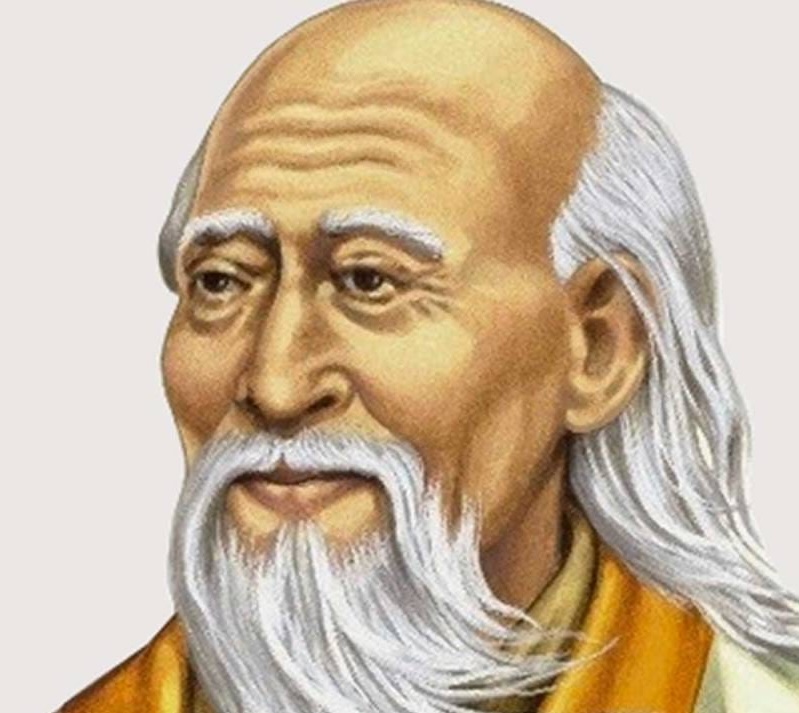
Lao Tzu's assertion, "Therefore profit comes from what is there; usefulness from what is not," invites us to reconsider our understanding of value and presence. In a world often fixated on tangible achievements and material gains, this quote beckons us to explore the profound significance of emptiness and absence. It challenges us to recognize that true wisdom and utility often arise from what we cannot see or quantify, urging us to cultivate a deeper awareness of the unseen forces that shape our lives.
This teaching resonates deeply within the fabric of Taoist philosophy, where the interplay between presence and absence is a recurring theme. Lao Tzu suggests that while material possessions and concrete realities may offer immediate profit, it is the intangible qualities—such as potential, space, and silence—that provide genuine usefulness. This perspective not only reshapes our understanding of value but also encourages us to embrace the paradoxes inherent in existence, inviting us to find strength in vulnerability and wisdom in stillness.
The image / the metaphor
The imagery in Lao Tzu's quote evokes a sense of duality, where the tangible and the intangible coexist in a delicate balance. The phrase "what is there" conjures images of physical objects, achievements, and the visible aspects of life that we often prioritize. In contrast, "what is not" suggests a realm of possibilities, silence, and the unseen forces that underpin our experiences. The verbs chosen—"profit" and "usefulness"—imply a functional relationship with these elements, urging us to consider how we derive value from both presence and absence.
In the speaker's tradition
Within the context of Taoism, Lao Tzu's insights resonate with the concept of "wu wei," or effortless action, which emphasizes the importance of aligning with the natural flow of life. This principle suggests that by embracing emptiness and allowing things to unfold without force, we can tap into a deeper wisdom that transcends our immediate desires. The idea of "sunyata," or emptiness in Buddhist thought, parallels this teaching, highlighting the notion that true understanding arises from recognizing the impermanent and interconnected nature of all things.
Furthermore, Lao Tzu's emphasis on the unseen aligns with the Taoist notion of "Tao," the fundamental principle that underlies and unites all existence. In the "Tao Te Ching," he often speaks of the importance of humility and simplicity, suggesting that the greatest wisdom lies not in accumulation but in the ability to let go. This perspective invites us to reflect on the teachings of other spiritual traditions, such as the Christian concept of "kenosis," which emphasizes self-emptying as a path to divine union, revealing a universal truth about the transformative power of embracing emptiness.
Living the teaching
Consider a modern scenario where this teaching finds relevance: the pursuit of success in a career. Many individuals strive for promotions, accolades, and recognition, often equating their worth with tangible achievements. However, by embracing Lao Tzu's wisdom, one might recognize that true usefulness in their work arises not solely from visible accomplishments but also from the relationships built, the lessons learned, and the moments of quiet reflection that inform their decisions. This shift in perspective can lead to a more fulfilling and balanced approach to professional life, where the unseen contributions are valued as much as the overt successes.
In the realm of relationships, this teaching can manifest in moments of conflict or misunderstanding. Often, we focus on what is said or done, seeking to address the visible issues at hand. Yet, by acknowledging the importance of what is not expressed—the unspoken feelings, the silence, and the space for vulnerability—we can foster deeper connections. Embracing the emptiness in communication allows for a more profound understanding of one another, creating an environment where healing and growth can flourish. This practice of recognizing the unseen dimensions of our interactions can transform our relationships, leading to greater empathy and compassion.
A reflection
As we contemplate Lao Tzu's profound insight, we are invited to explore the balance between presence and absence in our own lives. What unseen qualities or experiences have shaped your understanding of value? In what ways can you cultivate a deeper appreciation for the emptiness that allows for growth and transformation? Reflecting on these questions may reveal new pathways to wisdom and fulfillment, encouraging us to embrace the richness of both what is there and what is not.


