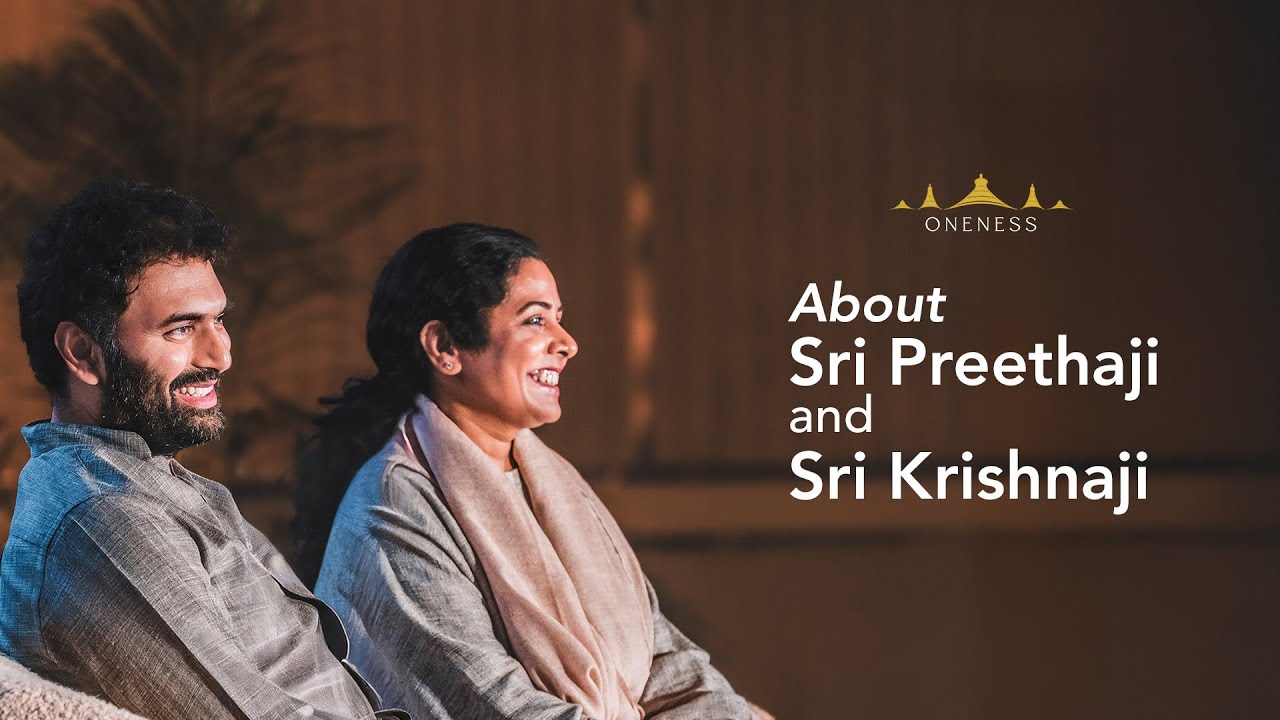
In the profound words of Krishnaji, "Your state of being is your most important contribution to the world." This statement invites us to reflect on the intrinsic relationship between our inner state and the external world. It suggests that the essence of who we are—our thoughts, emotions, and overall presence—shapes not only our personal experiences but also the collective reality we share with others. Understanding this connection is crucial, as it emphasizes that our inner life is not merely a private affair but a vital influence on the world around us.
As we delve deeper into this teaching, we recognize that our state of being is not static; it is a dynamic interplay of awareness, intention, and energy. Each moment we inhabit our true selves, we contribute to the tapestry of existence, weaving threads of compassion, clarity, and authenticity. This contribution is not measured by grand actions or achievements but by the subtle vibrations of our presence. In a world often distracted by external pursuits, Krishnaji's insight beckons us to cultivate a profound awareness of our inner landscape, reminding us that our most significant impact arises from the quality of our being.
The image / the metaphor
At the heart of Krishnaji's quote lies a rich metaphorical landscape. The phrase "state of being" evokes a sense of depth and fluidity, suggesting that our inner condition is akin to a vast ocean, capable of both calm and turbulence. The verbs "is" and "contribution" imply a state of existence that is active and generative. This imagery invites us to consider how our emotional and mental states ripple outward, influencing the environment and people around us. Just as a stone thrown into a pond creates concentric circles, our inner state sends waves of energy into the world.
Diving deeper into this metaphor, we can see that our state of being acts as a lens through which we perceive and interact with reality. When we cultivate a state of peace, for instance, we are more likely to respond to challenges with grace and understanding. Conversely, when we are caught in turmoil, our reactions may be clouded by fear or anger. Thus, the metaphor extends beyond mere presence; it encompasses the idea that our inner world shapes our perceptions, actions, and ultimately, the collective experience of humanity.
In the speaker's tradition
Krishnaji's teachings are deeply rooted in the oneness movement, which emphasizes the interconnectedness of all beings. This perspective resonates with concepts such as dharma, the inherent duty to live in harmony with the universe, and kenosis, the practice of self-emptying to allow for the divine to flow through us. In this context, our state of being is not just a personal journey but a collective responsibility. By embodying a state of love, compassion, and awareness, we align ourselves with the greater tapestry of existence, contributing to a world that reflects these values.
In the spirit of this tradition, we can draw parallels with the Buddhist concept of sunyata, or emptiness, which teaches that our perceptions are shaped by our attachments and aversions. When we recognize the transient nature of our thoughts and emotions, we can cultivate a state of being that is more aligned with the essence of reality. This understanding echoes in the teachings of the Bhagavad Gita, where Krishna advises Arjuna to act from a place of equanimity, reminding us that our true contribution arises from a state of inner balance and clarity.
Living the teaching
Consider a modern scenario where this teaching can be applied: a workplace filled with stress and competition. In such an environment, one individual who embodies a calm and centered state of being can transform the atmosphere. Their presence may inspire collaboration rather than rivalry, fostering a culture of support and creativity. By simply being present and grounded, they contribute to a shift in the collective energy, demonstrating how one person's state can ripple through a community, altering its dynamics for the better.
Another application of this teaching can be found in personal relationships, particularly during moments of conflict. When faced with a disagreement, if one partner approaches the situation from a place of love and understanding, rather than defensiveness, they can create a space for healing and resolution. This conscious choice to embody a positive state of being not only enhances the relationship but also serves as a model for effective communication and connection. In these everyday interactions, we see how our inner state profoundly influences the quality of our relationships and the world we co-create.
A reflection
As we contemplate Krishnaji's assertion that "Your state of being is your most important contribution to the world," we are invited to explore the depths of our own inner landscape. What state of being are you currently embodying, and how does it affect your interactions with others? In moments of stillness, consider how your presence can serve as a beacon of light or a source of turbulence. This reflection can guide us toward a more intentional way of being, reminding us that our contribution to the world begins within.