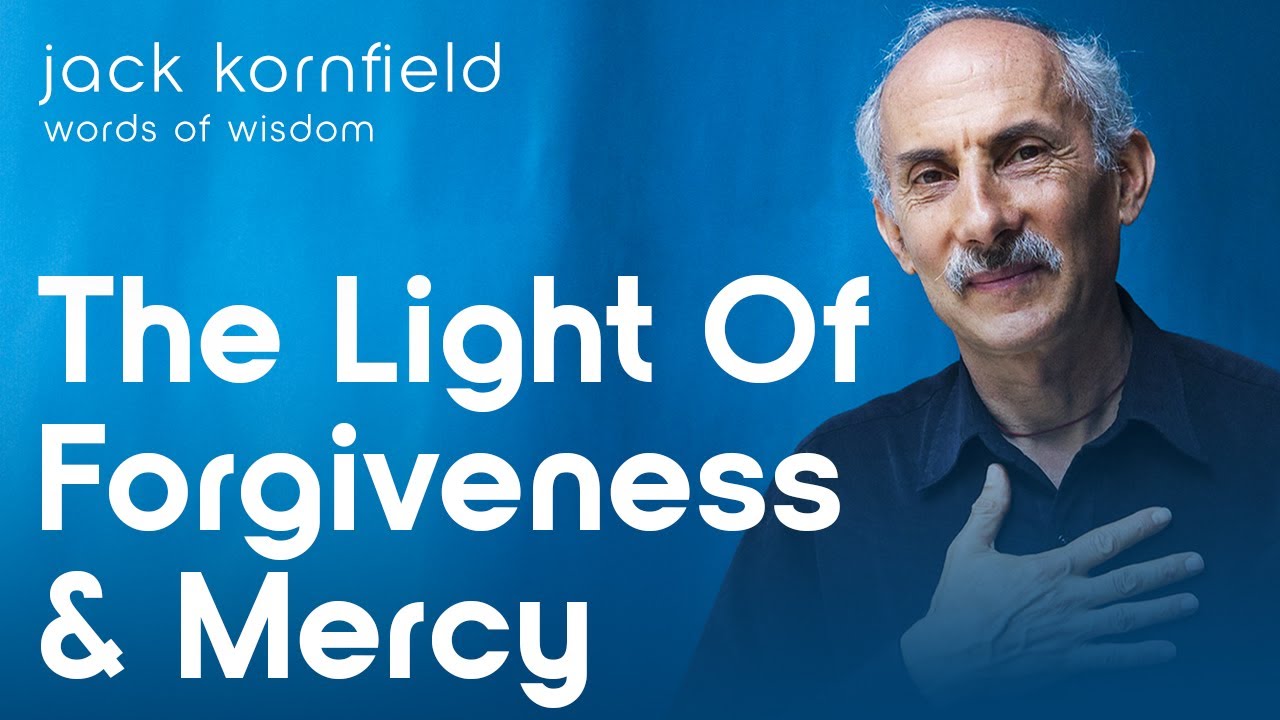
Jack Kornfield's assertion that "Mindfulness is not separate from anything you do. It is in everything you do" invites us to reconsider our relationship with the present moment. This statement emphasizes the profound integration of mindfulness into the fabric of our daily lives, suggesting that it is not merely a practice to be engaged in during meditation or quiet moments, but rather a lens through which we can view all our actions. The stakes are high: to cultivate a life imbued with awareness is to awaken to the richness of existence itself, transforming the mundane into the sacred.
In a world often characterized by distraction and fragmentation, Kornfield's words serve as a gentle reminder of the interconnectedness of our experiences. Mindfulness, as he articulates, is not an isolated activity but a holistic approach that permeates every aspect of our being. By recognizing that mindfulness is inherent in our actions, we can begin to dissolve the barriers that separate our thoughts, feelings, and behaviors, fostering a sense of unity and presence that enhances our overall well-being.
The image / the metaphor
The imagery in Kornfield's quote evokes a sense of wholeness and continuity. The phrase "not separate from anything you do" suggests an intimate relationship between mindfulness and our daily activities, as if mindfulness is the thread that weaves through the tapestry of our lives. The verbs "is" and "do" imply a state of being that is active and engaged, inviting us to consider how our awareness can infuse even the simplest tasks with meaning and intention.
Diving deeper into this metaphor, we can envision mindfulness as a flowing river that nourishes the landscape of our existence. Just as water sustains life, mindfulness enriches our experiences, allowing us to fully engage with the world around us. This perspective encourages us to see each moment as an opportunity for connection, reminding us that even the most ordinary actions can be transformed into acts of presence and love when approached with mindfulness.
In the speaker's tradition
In his book "A Path with Heart," Kornfield draws upon these Buddhist principles to illustrate how mindfulness can serve as a guiding light on our spiritual journey. The teachings of the Buddha emphasize the importance of awareness in cultivating compassion and wisdom, suggesting that when we engage fully with our experiences, we open ourselves to the transformative power of presence. This integration of mindfulness into our daily lives echoes the essence of the Four Noble Truths, which encourage us to confront suffering with awareness and compassion.
Living the teaching
Consider a modern scenario where Kornfield's teaching can take root: a busy parent juggling work, household responsibilities, and the needs of children. In the midst of this whirlwind, the practice of mindfulness can transform the routine of preparing dinner into a moment of connection and presence. By bringing awareness to the chopping of vegetables, the simmering of sauces, and the laughter shared with family, the parent can infuse these seemingly mundane tasks with a sense of joy and gratitude, recognizing that each moment is an opportunity for mindfulness.
Another application of this teaching might arise in a challenging relationship. When faced with conflict, the practice of mindfulness can help individuals pause and respond with awareness rather than react impulsively. By taking a moment to breathe and reflect, one can approach the situation with compassion and understanding, recognizing that the other person’s perspective is just as valid. In this way, mindfulness becomes a bridge that fosters deeper connections and healing, illustrating Kornfield's assertion that it is indeed present in everything we do.
A reflection
As we contemplate Kornfield's profound insight, we might ask ourselves: How can I bring mindfulness into the seemingly ordinary moments of my life? This question invites us to explore the ways in which we can cultivate awareness in our daily routines, relationships, and interactions. By reflecting on this inquiry, we open ourselves to the possibility of transformation, allowing mindfulness to illuminate the path of our existence and deepen our connection to ourselves and the world around us.