The Fragrance of Love Amidst Life's Dust
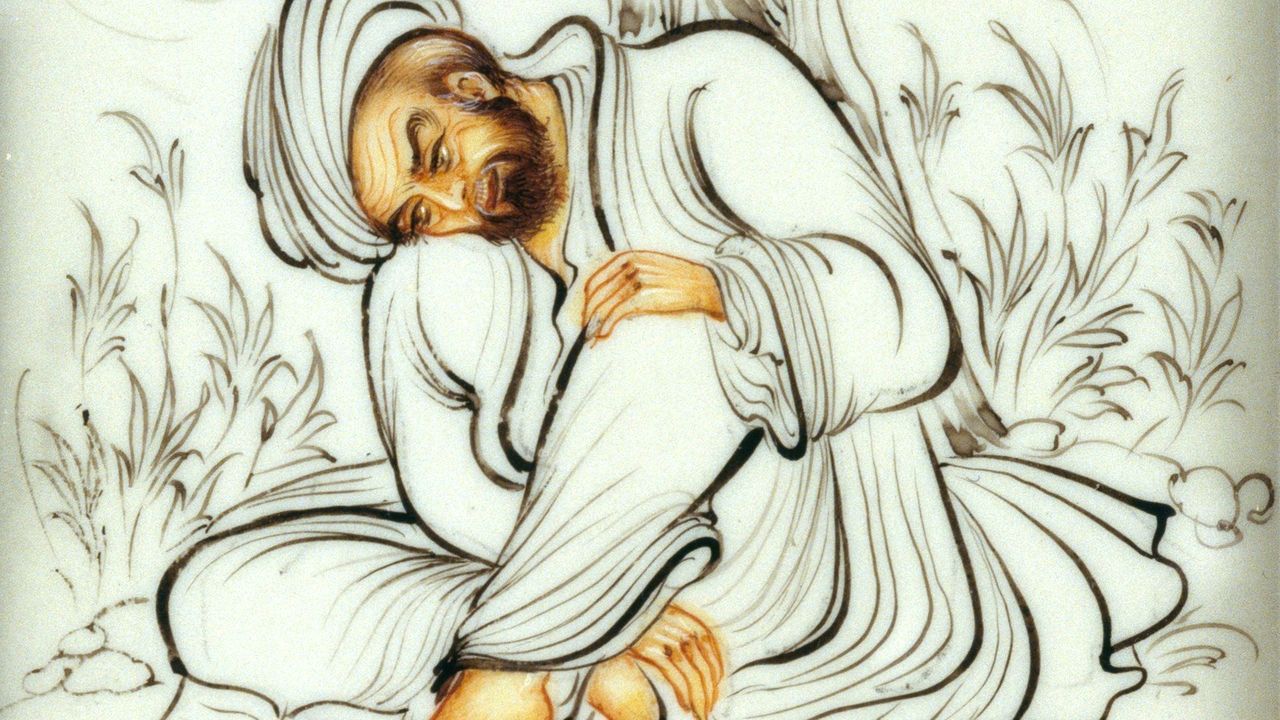
Hafiz, the beloved Persian poet, invites us to contemplate the profound essence of love in his evocative line, "Even in dust, the lover's heart is fragrant with the Beloved." This statement suggests that even in the most mundane or challenging circumstances—symbolized by "dust"—the heart remains infused with the divine presence of love. The stakes of this insight are high; it challenges us to recognize that love is not merely a fleeting emotion but a persistent, transformative force that can permeate our lives, regardless of external conditions.
In a world often preoccupied with material concerns and the ephemeral nature of existence, Hafiz's words remind us of the enduring quality of love. This fragrance, which emanates from the lover's heart, signifies a deep connection to the Beloved, a term that transcends the physical and points to the divine. The essence of this love is not diminished by the dust of life; rather, it flourishes in the midst of it, inviting us to explore how we can cultivate such a heart in our own lives.
The image / the metaphor
The imagery in Hafiz's quote is rich and layered. The word "dust" evokes a sense of the ordinary, the overlooked, and the transient aspects of life. It conjures images of decay, the passage of time, and the inevitability of mortality. Yet, juxtaposed with this stark reality is the notion of a "fragrant heart," suggesting that within the mundane lies a profound beauty. The verbs chosen here—"is fragrant"—imply an active quality, as if love itself is a living essence that permeates the air, transforming the dust into something sacred and aromatic.
Diving deeper into the metaphor, we can see that the "lover's heart" represents the inner self, the soul that yearns for connection with the divine. The fragrance symbolizes the qualities of love—compassion, joy, and devotion—that arise from this connection. In Sufi thought, love is often described as a transformative force that elevates the soul, allowing it to transcend the limitations of the physical world. Thus, even amidst life's challenges, the heart can remain a source of beauty and inspiration, reminding us of the divine presence that infuses all existence.
In the speaker's tradition
Hafiz's poetry is deeply rooted in the Sufi tradition, which emphasizes the importance of love as a path to spiritual realization. Central to Sufism is the concept of "fana," or the annihilation of the self in the presence of the Beloved. This idea resonates with Hafiz's assertion that love persists even in the face of life's dust; it suggests that true love transcends the ego and connects us to a greater reality. The fragrance of love, then, becomes a manifestation of divine presence, reminding us that our hearts can remain open and receptive, even when faced with adversity.
In the context of Sufi literature, we can draw parallels to the works of Rumi, another luminary of this tradition. Rumi often speaks of love as a force that transforms the soul, urging us to seek the divine in every moment. In his poem "The Guest House," he invites us to welcome all emotions, even those that feel heavy or burdensome, as they are part of the divine unfolding. Both poets remind us that love is not merely an emotion but a state of being that can illuminate our lives, even when surrounded by the dust of existence.
Living the teaching
Consider a modern scenario where this teaching resonates: a person navigating the complexities of daily life, perhaps facing a challenging work environment or personal struggles. In such moments, it can be easy to become consumed by negativity or despair, allowing the dust of life to overshadow the heart's capacity for love. However, by consciously cultivating an awareness of the divine presence within, one can transform these experiences into opportunities for growth and connection. The fragrance of love can serve as a reminder to approach each situation with compassion and openness, allowing the heart to remain fragrant even amidst challenges.
In the realm of relationships, this teaching can manifest in profound ways. Imagine a couple going through a difficult phase, where misunderstandings and frustrations seem to cloud their connection. By embracing Hafiz's wisdom, they can choose to focus on the love that initially brought them together, allowing that fragrance to permeate their interactions. This shift in perspective can foster forgiveness, understanding, and a renewed commitment to one another, illustrating how love can thrive even in the dust of conflict.
A reflection
As we contemplate Hafiz's poignant words, we are invited to reflect on our own lives: How can we cultivate a heart that remains fragrant with love, even in the face of life's inevitable dust? This question encourages us to explore the ways in which we can deepen our connection to the divine and to one another, allowing love to guide our actions and perceptions. In doing so, we may discover that the essence of love is not only a refuge but also a transformative force that can illuminate our path, regardless of the challenges we encounter.