The Mind: A Double-Edged Sword
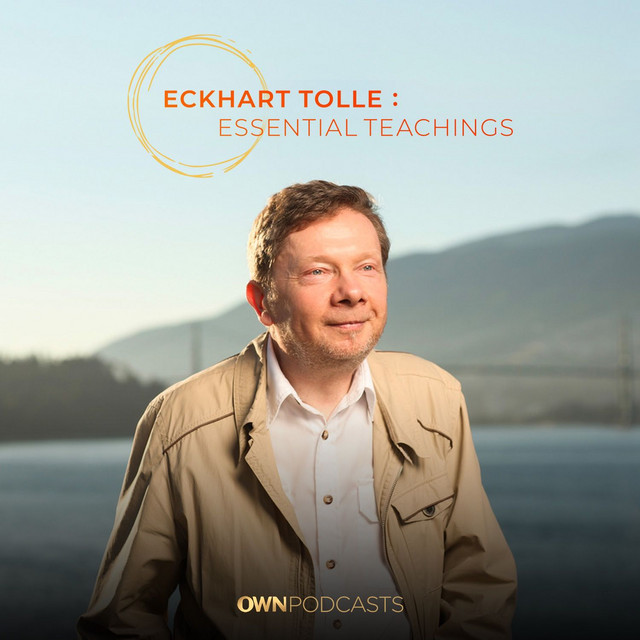
Eckhart Tolle's assertion that "the mind is a superb instrument if used rightly. Used wrongly, however, it becomes very destructive" invites us to reflect on the dual nature of our mental faculties. This quote encapsulates the profound potential of the mind as a tool for clarity, creativity, and connection, while simultaneously warning of its capacity for chaos, confusion, and suffering when misused. The stakes are high; our mental landscape shapes our experience of reality, influencing our relationships, our sense of self, and our engagement with the world.
In a society that often glorifies the intellect, Tolle's words serve as a crucial reminder of the importance of mindfulness and intentionality in our mental processes. The mind, when aligned with awareness and presence, can illuminate our path and foster a deeper understanding of ourselves and others. Conversely, when it becomes entangled in negativity, fear, or distraction, it can lead us into a labyrinth of suffering. Thus, the challenge lies in discerning how we wield this powerful instrument of thought.
The image / the metaphor
The imagery in Tolle's quote evokes a sense of mastery over a powerful tool. The mind is likened to an instrument, suggesting that it can be finely tuned and skillfully played to create harmony in our lives. The verbs "used rightly" and "used wrongly" imply a choice, a conscious decision to engage with our thoughts in a way that serves our highest good. This duality invites us to consider not only the function of the mind but also our relationship to it, emphasizing the importance of awareness in our mental engagement.
Diving deeper into the metaphor, we can envision the mind as a musical instrument, capable of producing beautiful melodies or discordant noise. When played with intention and skill, it can resonate with the rhythms of life, fostering creativity and insight. However, when neglected or mismanaged, it can create a cacophony of thoughts that drown out the subtler, more profound experiences of existence. This metaphor serves as a poignant reminder that the quality of our mental engagement directly influences the quality of our lives.
In the speaker's tradition
Eckhart Tolle's teachings are deeply rooted in the non-dual tradition, which emphasizes the interconnectedness of all things and the importance of transcending the ego. Concepts such as *sunyata* (emptiness) and *fana* (annihilation of the self) resonate with Tolle's perspective on the mind. In this context, the mind can be seen as a veil that obscures our true nature, and the right use of the mind involves recognizing its limitations and embracing a state of presence that transcends thought.
A relevant text that echoes Tolle's insights is the *Heart Sutra*, which articulates the idea that form is emptiness and emptiness is form. This profound realization invites us to understand that our thoughts, while significant, are ultimately transient and do not define our essence. By cultivating awareness and presence, we can navigate the complexities of the mind without becoming ensnared by its illusions, aligning ourselves with a deeper truth that transcends dualistic thinking.
Living the teaching
Consider a modern scenario where this teaching can be applied: a busy professional overwhelmed by the demands of work and life. In this context, the mind may become a source of stress, filled with racing thoughts about deadlines, responsibilities, and expectations. By recognizing the mind's potential for both clarity and chaos, the individual can choose to engage in mindfulness practices, such as meditation or deep breathing, to ground themselves in the present moment. This conscious choice allows them to harness the mind's power for productivity and creativity rather than succumbing to its destructive tendencies.
In a different application, imagine a relationship strained by misunderstandings and unspoken grievances. Here, the mind may generate narratives that fuel resentment and distance. By practicing presence and open communication, both partners can learn to use their minds as instruments of connection rather than division. This shift in perspective encourages them to listen deeply and respond with empathy, transforming the relationship into a space of mutual understanding and growth.
A reflection
As we contemplate Tolle's profound insight, we are invited to ask ourselves: How do I currently use my mind, and what impact does this have on my life and relationships? This question encourages a deep exploration of our mental habits and invites us to consider whether we are using our minds as instruments of clarity and connection or allowing them to spiral into chaos and confusion. By engaging with this inquiry, we can begin to cultivate a more mindful approach to our thoughts, ultimately leading to a richer, more fulfilling experience of life.