The Ashes of Transformation: Embracing Impermanence
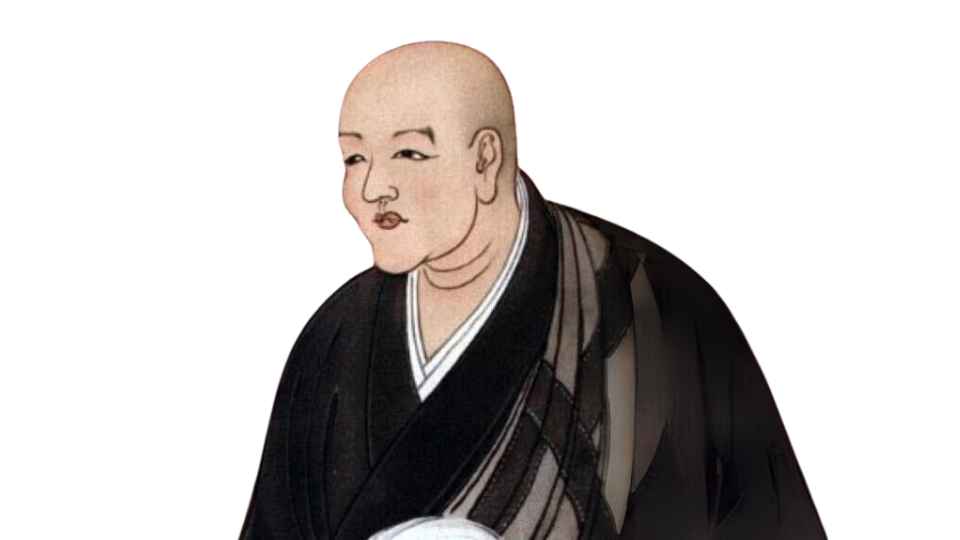
In the poignant words of Dōgen, "Firewood becomes ash, and it does not become firewood again," we are invited to reflect on the nature of change and the inevitability of impermanence. This statement encapsulates a profound truth about existence: once something has transformed, it cannot revert to its former state. Understanding this concept is crucial for navigating the complexities of life, as it encourages us to embrace the transient nature of our experiences and the world around us.
As we delve deeper into Dōgen's insight, we recognize that this quote serves as a reminder of the cycles of life and death, creation and dissolution. The imagery of firewood turning to ash evokes a sense of finality, urging us to confront the reality that all things are in a constant state of flux. By acknowledging this truth, we can cultivate a deeper appreciation for the present moment and the beauty inherent in each phase of existence, however fleeting it may be.
The image / the metaphor
At its core, Dōgen's metaphor of firewood becoming ash speaks to the transformative power of fire. The act of burning is not merely a destructive force; it is a process that yields new forms. The choice of the word "becomes" suggests an active transformation, a movement from one state to another that is both natural and inevitable. The ash, a remnant of what once was, carries with it the essence of the firewood, yet it is irrevocably altered, embodying a new reality.
Delving deeper into this metaphor, we can see that firewood symbolizes potential and vitality, while ash represents the culmination of that potential, a state of completion. This transformation can be likened to the stages of human life, where youth gives way to maturity, and eventually, to the wisdom of age. Just as firewood cannot reclaim its original form after being consumed by flames, we too must recognize that our experiences shape us in ways that cannot be undone. This understanding invites us to honor the journey of transformation rather than cling to the past.
In the speaker's tradition
Dōgen, a pivotal figure in Zen Buddhism, emphasizes the concept of impermanence through his teachings on the nature of reality and existence. Central to his philosophy is the idea of "sunyata," or emptiness, which suggests that all things are interdependent and constantly changing. This interconnectedness implies that nothing exists in isolation; rather, everything is part of a larger tapestry of existence, where each moment is both unique and transient. The notion of "kenosis," or self-emptying, further complements this understanding, as it encourages us to let go of attachments and preconceived notions about permanence.
Living the teaching
Consider a modern scenario where this teaching resonates: the experience of loss. When a loved one passes away, we are confronted with the stark reality of impermanence. The grief we feel is a natural response to the transformation that has occurred, yet it also serves as an opportunity for reflection. In acknowledging that our relationship with the deceased has irrevocably changed, we can begin to honor their memory in new ways, allowing the ashes of our shared experiences to inform our future interactions and relationships.
In a different context, think about the challenges we face in our daily lives, such as the end of a job or a significant life transition. These moments can feel disorienting, as we grapple with the loss of familiarity and the uncertainty of what lies ahead. By embracing Dōgen's teaching, we can approach these changes with a sense of openness, recognizing that each ending is also a beginning. This perspective allows us to cultivate resilience and adaptability, transforming our experiences of loss into opportunities for growth and renewal.
A reflection
As we contemplate Dōgen's profound insight, we are left with a contemplative question: How can we embrace the impermanence of our experiences to cultivate a deeper appreciation for the present moment? By reflecting on this question, we can begin to uncover the ways in which our attachments to the past or anxieties about the future may hinder our ability to fully engage with life as it unfolds. In doing so, we may find that the ashes of our experiences hold the potential for new beginnings and deeper understanding.


