The Generosity That Unites Us
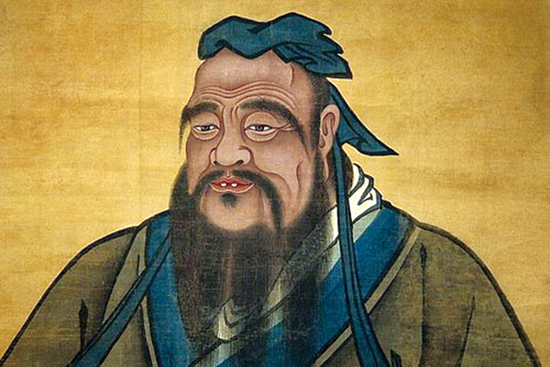
Confucius once stated, "He who is generous gains the people," a profound assertion that underscores the intrinsic connection between generosity and effective leadership. This quote invites us to reflect on the nature of our relationships and the ways in which our actions can foster community and trust. In a world often marked by division and self-interest, the wisdom of Confucius serves as a reminder that true influence arises not from authority or power, but from the willingness to give and share with others.
Generosity, in this context, transcends mere financial or material giving; it encompasses a broader spectrum of kindness, empathy, and the sharing of one's time and resources. The stakes are high: in our pursuit of leadership and connection, we must ask ourselves how our actions resonate with those around us. The essence of this teaching lies in understanding that when we act generously, we cultivate a sense of belonging and loyalty among the people we encounter, ultimately enriching both our lives and theirs.
The image / the metaphor
At first glance, the quote evokes a vivid image of a leader who opens their heart and resources to others, creating a ripple effect of goodwill. The verb "gains" suggests an active process, implying that generosity is not a passive act but a dynamic engagement with the world. This imagery conjures a sense of warmth and approachability, as if the generous individual is a beacon of light, drawing people in with their kindness and openness.
Diving deeper into the metaphor, we can see that "the people" represent not just followers or subjects, but a community bound by mutual respect and shared values. The act of generosity becomes a bridge that connects the leader to the people, fostering a relationship built on trust and reciprocity. In this way, the quote encapsulates a profound truth: that the strength of our connections lies in our willingness to give of ourselves, creating a foundation for collective growth and harmony.
In the speaker's tradition
Confucius's teachings are deeply rooted in the principles of Confucianism, which emphasizes the importance of moral integrity, social harmony, and the cultivation of virtuous relationships. Generosity, or "ren," is a central tenet in this tradition, reflecting the idea that one's character is defined by their capacity to care for others. This concept resonates with similar ideas found in other spiritual traditions, such as "dharma" in Buddhism, which underscores the importance of selfless action for the benefit of all beings.
In the Analects, Confucius often highlights the significance of benevolence and ethical leadership, suggesting that a ruler's legitimacy is derived from their ability to inspire loyalty through virtuous behavior. The quote in question, found in Analects 17.6, serves as a poignant reminder that the essence of leadership lies not in coercion, but in the ability to connect with others through acts of kindness and generosity. This perspective aligns with the notion of "kenosis" in Christian thought, where self-emptying love leads to deeper relationships and community.
Living the teaching
Consider a modern scenario where a manager in a corporate setting chooses to prioritize the well-being of their team over mere productivity metrics. By fostering an environment of generosity—offering support, encouragement, and understanding—the manager not only enhances team morale but also cultivates loyalty and trust. This act of generosity transforms the workplace into a community where individuals feel valued and empowered, ultimately leading to greater collaboration and success.
In a more personal context, think about a relationship where one partner consistently makes an effort to listen and support the other during challenging times. This simple act of generosity—being present and attentive—can strengthen the bond between them, creating a safe space for vulnerability and growth. By embodying the spirit of generosity in our daily interactions, we can foster deeper connections and enrich our lives, echoing the wisdom of Confucius in our own unique ways.
A reflection
As we contemplate the essence of Confucius's teaching, we might ask ourselves: "In what ways can I embody generosity in my daily life to foster deeper connections with those around me?" This question invites us to reflect on our actions and intentions, encouraging us to seek opportunities for kindness and giving. By embracing this inquiry, we can begin to understand the transformative power of generosity, not only for ourselves but for the communities we inhabit.


