Beyond Fear: The Journey from Religion to Spirituality
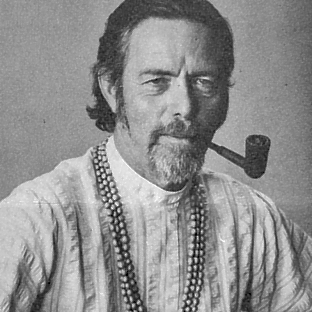
Alan Watts provocatively states, "Religion is for people afraid of going to hell. Spirituality is for people who have already been there." This quote invites us to explore the distinction between the fear-driven adherence to religious structures and the profound, often painful, awakening that comes from genuine spiritual experience. It suggests that true spirituality emerges not from a desire to escape suffering but from an intimate engagement with it. Understanding this distinction is crucial in a world where many still cling to dogma out of fear rather than embracing the transformative potential of spiritual exploration.
Watts's words resonate deeply in our contemporary landscape, where many individuals grapple with existential questions and the weight of their own experiences. The journey from religion to spirituality is not merely a shift in belief systems; it is a profound transformation of consciousness. This transition often requires confronting our own "hells"—the moments of despair, confusion, and suffering that shape our understanding of existence. By acknowledging these experiences, we can cultivate a spirituality that is authentic, grounded, and deeply personal.
The image / the metaphor
At first glance, Watts's quote presents a stark dichotomy between religion and spirituality, using vivid imagery to evoke the emotional landscapes of both. The term "hell" conjures a visceral sense of suffering and fear, while "spirituality" suggests a journey toward liberation and understanding. The verbs chosen—"afraid" and "been"—imply a passive state of existence in religion, contrasted with an active, lived experience in spirituality. This imagery invites us to reflect on our own fears and the ways they may shape our spiritual paths.
Diving deeper into the metaphor, we can see that "going to hell" symbolizes the avoidance of discomfort and the clinging to external structures for safety. In contrast, "having already been there" speaks to the transformative power of suffering. It suggests that true spirituality is forged in the fires of adversity, where one emerges with a deeper understanding of self and existence. This metaphor challenges us to reconsider our relationship with suffering, urging us to embrace it as a necessary part of our spiritual evolution.
In the speaker's tradition
Alan Watts, a prominent figure in the Zen tradition, often emphasized the importance of direct experience over dogmatic belief. His teachings resonate with concepts such as *sunyata* (emptiness) and *prajna* (wisdom), which encourage individuals to transcend the confines of rigid religious structures. In Zen, the journey toward enlightenment often involves confronting one's own suffering and illusions, leading to a profound realization of interconnectedness. Watts's perspective aligns with the idea that true spirituality arises from an authentic engagement with the self and the world, rather than from fear-based adherence to prescribed beliefs.
Living the teaching
Consider a modern scenario where this teaching resonates: a person grappling with the loss of a loved one. Initially, they may turn to religious rituals and doctrines to find solace, driven by the fear of grief and the unknown. However, as they navigate their pain, they may discover that true healing comes not from avoidance but from fully experiencing their sorrow. This journey through grief can lead to a profound spiritual awakening, where the individual learns to embrace their emotions and find meaning in their suffering, ultimately transforming their relationship with life and death.
In another context, think about a challenging relationship marked by conflict and misunderstanding. One partner may cling to religious teachings that emphasize forgiveness and reconciliation, motivated by fear of judgment or guilt. However, true spirituality invites both partners to confront their feelings honestly, acknowledging the pain and frustration that exists between them. By engaging with their emotions and experiences, they can cultivate a deeper understanding of themselves and each other, leading to a more authentic and compassionate connection. This process exemplifies how spirituality can emerge from the depths of relational struggles, fostering growth and transformation.
A reflection
As we contemplate Watts's profound insight, we are invited to reflect on our own experiences of suffering and transformation. What "hells" have we encountered in our lives, and how have they shaped our understanding of spirituality? In what ways can we embrace our struggles as opportunities for growth, rather than allowing fear to dictate our spiritual journeys? These questions encourage us to delve deeper into our own experiences, fostering a spirituality that is rich, authentic, and deeply rooted in the realities of life.

