
BrightStar

Ver Todos los Events

Descubre encuentros conscientes

events

Yoga
Meditation
Breathwork
Qigong
Tai Chi
Sacred Music
World Music
Medicine Music
Sound Healing
Ecstatic Dance
Destinos Populares
BaliSedonaLos AngelesCosta RicaNew YorkSan FranciscoAustinMiamiJoshua TreeTulum
Ver Todas las CategoríasVer Todos los Destinos

Explorar Todas las Características

Herramientas poderosas para hacer crecer tus eventos

Características de la Plataforma

Precios Dinámicos Inteligentes
Categorías de Entradas
Asientos Asignados
Recuperación de Carritos
Recuperación de Visitantes
Donaciones y Escala Móvil
Motor de Afiliados
Escáner de Entradas
Códigos de Cupón
Preguntas Personalizadas
Compartir Entradas
Ventas Adicionales
Análisis e Informes
Secuencias de Email
Lista de Espera / Notificar / Recordar
Personas y Lugares
Artists & TeachersEvent OrganizersVenues & StudiosKnowledge BaseGlossaryInspiration
Ver Todas las CaracterísticasSobre Nosotros
PreciosBlog
Language
Saved events
Ver Todos los Eventos

events

YogaMeditationBreathworkQigongTai ChiSacred MusicWorld MusicMedicine Music

Destinos Populares

BaliSedonaLos AngelesCosta RicaNew YorkSan Francisco

Personas y Lugares

Artists & TeachersEvent OrganizersVenues & StudiosKnowledge BaseGlossaryInspiration

Características de la Plataforma

Precios Dinámicos InteligentesCategorías de EntradasAsientos AsignadosRecuperación de CarritosRecuperación de VisitantesDonaciones y Escala MóvilMotor de AfiliadosEscáner de EntradasCódigos de CupónPreguntas PersonalizadasCompartir EntradasVentas AdicionalesAnálisis e InformesSecuencias de EmailLista de Espera / Notificar / Recordar
Ver Todas las CaracterísticasSobre Nosotros
PreciosBlog
Iniciar sesiónBuscadoresCreadores
  • Ver Todos los Eventos
  • Para Buscadores
  • Yoga
  • Meditación
  • Respiración consciente
  • Qigong
  • Tai chi
  • Música sagrada
  • Música del mundo
  • Música medicina
  • Sanación con sonido
  • Danza extática
  • Retiros
  • Talleres
  • Todas las Categorías →
  • Bali
  • Sedona
  • Los Angeles
  • Costa Rica
  • Tulum
  • Byron Bay
  • San Francisco
  • Austin
  • New York
  • San Diego
  • Denver
  • Seattle
  • Portland
  • Miami
  • Todas las Ciudades →
  • Join the Movement
  • Why we list
  • Sell Globally
  • Para Creadores
  • Para equipos
  • Para Escritores
  • Para Maestros
  • Para Artistas de Kirtan
  • Para Estudios
  • Para Festivales
  • Para Centros de Retiros
  • Para Organizaciones Sin Fines de Lucro
  • Embajador de Marca
  • Entradas sin costo
  • Elevate
  • Amplify
  • Red de +500K Compradores
  • Recuperación de Carritos
  • Precios Dinámicos Inteligentes
  • Categorías de Entradas
  • Eventos Recurrentes
  • Asientos Asignados
  • Motor de Afiliados
  • Lista de Espera / Notificar
  • Escáner de Entradas
  • Widget Embebido
  • Sindicación de eventos
  • Centro de mensajes
  • Integraciones
  • Reportes
  • Todas las Características →
  • Acerca de
  • El ecosistema
  • Blog
  • Glosario
  • Inspiración
  • Centro de Ayuda
  • Contacto
  • Documentación API
  • Recursos de Marca
  • Carreras
  • Prensa
  • Términos de Servicio
  • Política de Privacidad

Eventos

  • Ver Todos los Eventos
  • Para Buscadores
  • Yoga
  • Meditación
  • Respiración consciente
  • Qigong
  • Tai chi
  • Música sagrada
  • Música del mundo
  • Música medicina
  • Sanación con sonido
  • Danza extática
  • Retiros
  • Talleres
  • Todas las Categorías →

Destinos

  • Bali
  • Sedona
  • Los Angeles
  • Costa Rica
  • Tulum
  • Byron Bay
  • San Francisco
  • Austin
  • New York
  • San Diego
  • Denver
  • Seattle
  • Portland
  • Miami
  • Todas las Ciudades →

Para Creadores

  • Join the Movement
  • Why we list
  • Sell Globally
  • Para Creadores
  • Para equipos
  • Para Escritores
  • Para Maestros
  • Para Artistas de Kirtan
  • Para Estudios
  • Para Festivales
  • Para Centros de Retiros
  • Para Organizaciones Sin Fines de Lucro
  • Embajador de Marca
  • Entradas sin costo
  • Elevate
  • Amplify

Características

  • Red de +500K Compradores
  • Recuperación de Carritos
  • Precios Dinámicos Inteligentes
  • Categorías de Entradas
  • Eventos Recurrentes
  • Asientos Asignados
  • Motor de Afiliados
  • Lista de Espera / Notificar
  • Escáner de Entradas
  • Widget Embebido
  • Sindicación de eventos
  • Centro de mensajes
  • Integraciones
  • Reportes
  • Todas las Características →

Empresa

  • Acerca de
  • El ecosistema
  • Blog
  • Glosario
  • Inspiración
  • Centro de Ayuda
  • Contacto
  • Documentación API
  • Recursos de Marca
  • Carreras
  • Prensa
  • Términos de Servicio
  • Política de Privacidad
BrightStar
Descarga la app
Descárgalo en elApp StoreDisponible enGoogle Play
© 2026 BrightStar. Todos los derechos reservados.
Inspiration

Why Psychedelics Were Once Called Madness-Mimicking Drugs

Commune
Commune
Oct 2, 2026
6 min de lectura
Ver · 6

Ask most people what a psychedelic is and you will hear a blur: a category of substances that, somehow, make you see things. Lauren Taus, in a short clip from Commune's longer talk The Truth About Psychedelic Medicine, argues that this blur is neither accurate nor accidental. The vocabulary we use for these substances was built in a specific moment, by people with specific fears and specific hopes, and the names they chose carried a whole theory of the mind. In under two minutes, the clip traces a single linguistic turn, from "madness-mimicking" to "mind-manifesting," and shows how much hangs on that one swap.

Leer · 5 secciones

What did psychiatrists originally call these drugs?

Taus opens with the old clinical label. In the 1950s, she says, psychiatry referred to these substances as psychotomimetics (0:14), a term that means, literally, madness-mimicking drugs. The logic behind it was simple and, for its time, widely held. "The prevailing belief was these substances simulate psychosis," she says (0:21). "They temporarily make people insane" (0:24).

Notice what the word assumes. A psychotomimetic is defined by what it imitates. The drug is measured against a pathology, and the experience it produces is read as a counterfeit of illness. Under this frame, a person who had a profound or frightening session was not learning anything. They were, in effect, briefly malfunctioning. The inquiry stops at the symptom.

That is why the naming question is more than semantics. A label decides what counts as data. If the working assumption is that the experience is a temporary psychosis, then the sensible questions are about damage, containment, and how quickly the mind returns to baseline. Other questions never get asked.

Was psychedelic research in the 1950s and 1960s only fear-driven?

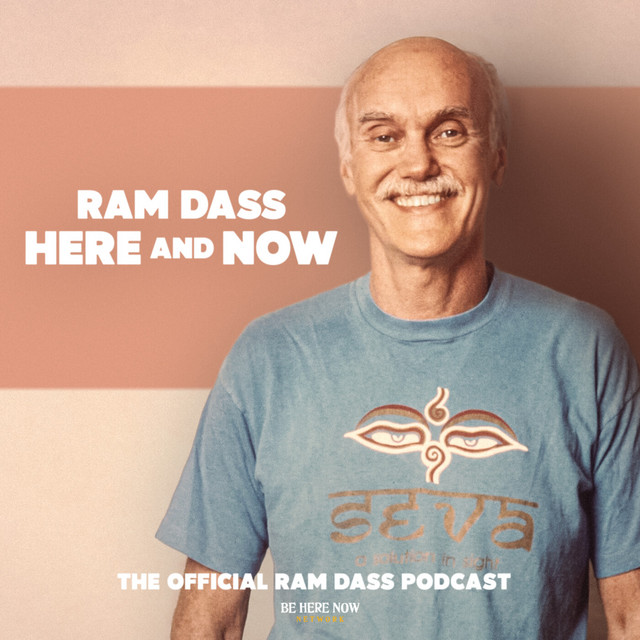
Here Taus makes a move that many popular treatments of this history skip. She refuses to flatten the era into a single story. At 0:27 she places serious academic work alongside the fear: "At Harvard University, psychologists Timothy Leary and Richard Alpert, later known as Ram Dass, were studying psychedelics in controlled settings, exploring their effects on personality, perception, and meaning."

Her framing is careful. "I'm not here to romanticize that era or dismiss it," she says (0:48). "But it matters to know that alongside fear-based narratives and unethical programs, there were also sincere attempts to understand consciousness, healing, and human potential with psychedelics through scientific inquiry" (0:51).

The phrase that carries the most weight, for anyone trying to think clearly about this history, comes next: "That tension between curiosity and carelessness, insight and excess, is part of the field's early DNA" (1:05). It is a useful way to hold the material. The same decade produced earnest questions about meaning and programs that were ethically indefensible. Neither cancels the other. A historian who keeps only the horror misses the inquiry, and one who keeps only the inquiry misses the harm. Taus asks the viewer to carry both at once.

How did the word psychedelic change the question?

The turn in language, she explains, did not happen in a laboratory. "Part of the shift happened linguistically" (1:11). The new word came out of a conversation between two people. "The word psychedelic came from a conversation between psychiatrist Humphry Osmond and the famous author Aldous Huxley" (1:15). Together they proposed a replacement for psychotomimetic. Not "madness-mimicking" but "psychedelic," which Taus glosses as "mind-manifesting" (1:24).

The key idea is in her own words: "It's about revealing" (1:31). Where the old word looked at a drug and asked what it imitated, the new one looks at a person and asks what appears. The verb underneath is not "to mimic" but "to make visible." That is a different philosophy of experience. It treats the altered state as a window rather than a fault.

"The word changed everything because it reframed the central question from what's wrong with you to what's inside of you." (Lauren Taus, in the Commune clip, 1:35)

That sentence is the spine of the clip, and it repays a slow read. "What's wrong with you" is a question addressed to a patient, asked from the outside, and answered by diagnosis. "What's inside of you" is addressed to a person, asked from within, and answered by attention. One frame closes the case. The other opens one. It is hard to overstate how much research design, clinical language, and public fear follow from which of those questions a culture chooses to ask first.

Why does this vocabulary still matter now?

Psychedelic history is often told as a rise and fall: an early burst of inquiry, a backlash, a long quiet, and then a renewed interest. Taus's clip does not give that arc in full, and it would be a mistake to pretend the short segment covers every chapter. What it does show is the hinge. Words are not neutral wrapping around a substance. They set the terms under which a substance is studied, regulated, discussed at dinner, and felt in the body by someone sitting in a room with the lights low.

There is also a practical lesson for readers encountering the subject today. When you hear a claim about psychedelics, ask which frame it is using. Does it treat the experience as a symptom to be contained, or as a source of information to be understood? Does it reach for the vocabulary of madness, or the vocabulary of disclosure? Neither frame settles the question of safety, efficacy, or who should take what. But the frame determines which questions get asked in the first place, and that is exactly what the 1950s debate got wrong when it decided, before looking, that the experience was only a counterfeit of insanity.

Taus's own stance is a model of restraint. She does not romanticize the era, and she does not write it off. She names both the curiosity and the carelessness and lets the tension stand. For a field that has swung between hype and panic more than once, that refusal to pick a comfortable villain or hero is itself the most instructive thing in the clip.

Where to go from here

Two minutes is a doorway, not a survey. If the shift from "madness-mimicking" to "mind-manifesting" caught your attention, the full talk, The Truth About Psychedelic Medicine, is the next step; the Commune channel lists it as the complete version of this material. Read it with the question Taus leaves you with in mind: what is this framework asking about the person, and what has it decided not to ask?

For a fuller grounding in the original terms, pay attention to the two words themselves. Psychotomimetic means something that imitates psychosis. Psychedelic means something that reveals the mind. Keep both in view the next time someone says "psychedelic" as if it named one vague category of visions. As Taus points out, that vagueness is not accidental. It is the residue of a choice about what these experiences are for.
Comments

Loading the conversation…

Transcript

[0:00] When most people hear the word

[0:01] psychedelic, they imagine one vague

[0:04] category, drugs that make you see

[0:07] things. That's not accurate, and it's

[0:09] not accidental. In the 1950s, these

[0:12] substances were often referred to in

[0:14] psychiatry as psychotomimetics, [music]

[0:17] literally madness-mimicking

[0:19] drugs. The prevailing belief was these

[0:21] substances simulate psychosis.

[0:24] They temporarily make people insane. In

[0:27] the late 1950s and early 1960s, very

[0:31] serious academic research was also

[0:33] underway. At Harvard University,

[0:35] psychologists Timothy Leary and Richard

[0:38] Alpert, later known as Ram Dass, were

[0:40] studying psychedelics in controlled

[0:42] settings, exploring their effects on

[0:44] personality, perception, and meaning.

[0:48] I'm not here to romanticize that era or

[0:50] dismiss it.

[0:51] But it matters to know that alongside

[0:53] fear-based narratives and unethical

[0:55] programs, there were also sincere

[0:57] attempts to understand consciousness,

[1:00] healing, and human potential with

[1:02] psychedelics through scientific inquiry.

[1:05] That tension between curiosity and

[1:07] carelessness, insight and excess, is

[1:10] part of the field's early DNA. [music]

[1:11] Now, part of the shift happened

[1:14] linguistically.

[1:15] The word psychedelic came from a

[1:18] conversation between psychiatrist

[1:20] Humphry Osmond and the famous author

[1:23] Aldous Huxley.

[1:24] They proposed a new word, not

[1:26] psychotomimetic, but psychedelic, which

[1:28] literally means mind-manifesting.

[1:31] It's It's about

[1:33] revealing.

[1:35] And the word changed everything because

[1:37] it reframed the central question from

[1:39] what's wrong with you

[1:41] to what's inside of you.

Commune
ArtistCommune

Watch more from Commune on YouTube.

Ver perfilSitio web
Explorar temas
PsychedelicsPsychotomimeticPsychedelic-languageAldous-huxleyHumphry-osmond

¿Tienes Preguntas?

Preguntas Frecuentes

Psychotomimetic is a 1950s psychiatric term for substances that imitate psychosis, literally meaning madness-mimicking drugs. Lauren Taus notes that the prevailing belief at the time was that these substances temporarily made people insane.
According to Lauren Taus, the word came from a conversation between psychiatrist Humphry Osmond and author Aldous Huxley, who proposed it as a replacement for psychotomimetic. It is usually glossed as mind-manifesting, which shifts the focus from imitating illness to revealing inner experience.
The clip credits psychiatrist Humphry Osmond and author Aldous Huxley as the people behind the new word, which emerged from their conversation. Taus presents it as a deliberate reframing rather than a purely descriptive label.
Yes, in the 1950s the prevailing belief in psychiatry was that these substances simulate psychosis and temporarily make people insane. That assumption is why they were classified under the madness-mimicking label.
The word a culture uses determines which questions researchers and the public ask. A psychotomimetic frame looks for damage and containment, while a psychedelic frame asks what the experience reveals about the person, as Taus puts it, what's inside rather than what's wrong.
Taus says psychologists Timothy Leary and Richard Alpert, later known as Ram Dass, studied psychedelics in controlled settings in the late 1950s and early 1960s. Their work explored effects on personality, perception, and meaning, and Taus presents it as part of a serious inquiry alongside fear-based narratives.

Seguir leyendo

More from Commune

Ver Todo
Stories as Medicine: How Compassion Heals Division and Builds Connection
Inspire

Stories as Medicine: How Compassion Heals Division and Builds Connection

In this profound exploration of human connection, renowned spiritual teacher Jack Kornfield reveals how stories serve as medicine for our di…

1 min read
Walking the Tightrope: How to Serve Both Heaven and Earth Without Losing Your Balance
Inspire

Walking the Tightrope: How to Serve Both Heaven and Earth Without Losing Your Balance

Ram Dass reveals the spiritual challenge of our time: staying connected to divine consciousness while remaining present to human suffering a…

1 min read
Why Does God Allow Suffering? A Reframing of the Argument
Inspire

Why Does God Allow Suffering? A Reframing of the Argument

A therapist's question about suffering becomes a lesson on why the classic argument against God rests on a flawed picture. Here is Tolle's r…

1 min read
Awareness Beyond the Person: The Direct Path to Universal Consciousness
Inspire

Awareness Beyond the Person: The Direct Path to Universal Consciousness

At Monte Sahaja, a seeker discovers that consciousness itself—not the person—is the unchanging witness of all experience. A radical shift in…

1 min read

Sigue explorando

Continúa tu camino

Más sabiduría y encuentros de todo el directorio de BrightStar.

Más artículos

Recorre la biblioteca completa de enseñanzas, entrevistas y guías.

Ver todos los artículos →

Maestros y artistas

Explora los linajes, músicos y guías del mundo consciente.

Explorar artistas →

Encuentra un evento

Kirtan, retiros, baños de sonido, breathwork, festivales — muy pronto.

Ver eventos →