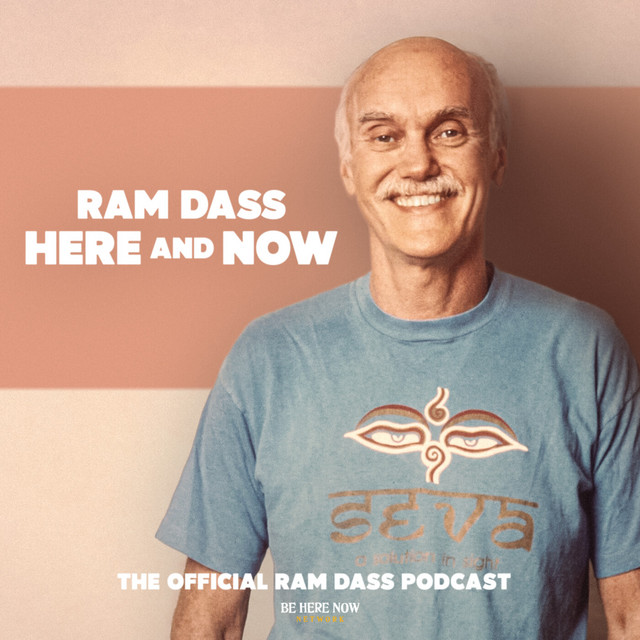
At a MAPS conference in the early 1990s, Ram Dass examined the pioneering psychedelic research he conducted with Timothy Leary at Harvard University in the 1960s, acknowledging both its profound benefits—including therapeutic applications, opening Western consciousness to Eastern wisdom traditions, and shifting perception of reality—and its significant mistakes, particularly the conflation of revolutionary social change with the evolutionary spiritual potential of these substances. He argued that the legitimacy sought through institutional research, while important, runs parallel to the deeper underground process where psychedelics have continued to reshape mainstream consciousness independent of policy outcomes, noting that truth and authentic human experience cannot be legislated out of existence.
Ram Dass identified several concrete benefits emerging from the Harvard psychedelic research he conducted with Timothy Leary during the 1960s. The most immediate was the therapeutic potential these substances revealed. Controlled research environments demonstrated that psychedelics could facilitate genuine healing and psychological insight under proper conditions, laying groundwork for what would eventually become formalized therapeutic applications decades later. This was not speculative; researchers observed measurable shifts in consciousness and capacity for self-examination in their subjects.
A second major benefit was cultural exposure to Eastern wisdom traditions. The 1960s psychedelic movement, channeled through figures like Ram Dass himself, opened Western consciousness to philosophies, meditation practices, and spiritual frameworks that had previously remained marginal in American culture. Psychedelic experiences often created genuine appetite and readiness for the deeper teachings of Buddhism, Hinduism, yoga, and other traditions. This was not mere escapism; it represented a real shift in how Western seekers related to non-Western knowledge systems.
Third, Ram Dass emphasized the fundamental perceptual shift that psychedelics initiated. These substances altered not just mood or thought patterns, but how people understood the nature of reality itself—whether that reality was unified or fragmented, whether consciousness preceded matter or followed it, whether the individual ego was as solid as it appeared. This shift in perception, once experienced directly, could not be entirely reversed by legislation or social pressure. People had seen something; they carried that knowing forward.
Ram Dass spoke to an interesting contradiction he experienced at the MAPS conference itself. On one hand, he felt aligned with the goal of researchers attempting to legitimize psychedelic work through rigorous study and institutional acceptance. The desire to "put on a good face" and be perceived as responsible scientists was understandable and, in some sense, necessary for moving the field forward in the eyes of mainstream medicine and policy.
Yet simultaneously, Ram Dass observed that what was actually happening in society was far more profound than what could be captured by the legitimacy-seeking research agenda. He noted that the underground use of psychedelics had never stopped. Despite prohibition, despite cultural backlash, despite the risks involved, people continued to work with these substances in nonofficial contexts. And in that underground process—in private homes, in spiritual communities, in experimental settings beyond the reach of institutional review—psychedelics had quietly continued to reshape consciousness and enter the mainstream cultural conversation.
This reality operated largely independent of whether the MAPS researchers "won or lost" on the policy and scientific front. The genie, as Ram Dass noted, was already out of the bottle. Truth, he argued, cannot be repressed. It cannot be legislated out of existence. The evolutionary work happening through psychedelics would proceed whether or not it received institutional blessing.
Ram Dass was candid about the errors he and Leary committed during their pioneering work. The most significant was conflating the revolutionary potential of psychedelics with their evolutionary potential. In the heat of the 1960s counterculture, when social upheaval and generational rebellion were at their peak, it was easy to believe that psychedelics were tools for social and political revolution—for overthrowing existing power structures, for dismantling "the establishment," for creating a new world order.
But this framing, however compelling at the time, missed something essential. The real power of psychedelics lies in their capacity to evolve consciousness itself—to shift how individuals perceive, relate, and understand their own nature and the nature of reality. This is an evolutionary work, not necessarily a revolutionary one. Revolution changes external structures; evolution changes the people doing the perceiving. The two are not the same, and conflating them led to strategic and spiritual errors that had real consequences.
By getting too invested in the revolutionary narrative, the early psychedelic researchers may have overstated what these substances could accomplish in terms of social transformation and underestimated the subtlety and length of the evolutionary process. They also may have invited unnecessary antagonism from institutions that saw the work as inherently destabilizing rather than healing.
The connection between the psychedelic experience and Eastern spiritual traditions was not accidental. Ram Dass's own trajectory exemplifies this: his direct experience with psilocybin and LSD created a readiness and resonance for the teachings he encountered in India, which in turn shaped his understanding and integration of what psychedelics could offer. The substances seemed to activate a kind of spiritual hunger or recognition in those who experienced them.
Many Westerners reported that psychedelic experiences felt consistent with descriptions of non-ordinary states found in Hindu, Buddhist, and Sufi literature. The dissolution of ego boundaries, the sense of unity or interconnection, the direct perception of consciousness as fundamental—these experiences had been mapped in great detail by contemplatives across Eastern traditions. For Western experimenters who had no prior familiarity with these maps, the psychedelic state could feel shocking and destabilizing. But for those who encountered Eastern teachings alongside psychedelic experience, the teachings provided a framework for understanding and integrating what they were encountering.
This was not merely intellectual matching of concepts. The psychedelic experience created a visceral opening to the possibility that the perennial philosophies of the East might be describing real aspects of how consciousness and reality function. People were more willing to seriously study meditation, yoga, and philosophy because they had already glimpsed states that seemed to validate these traditions' claims about the nature of mind and cosmos.
Ram Dass's closing statement—"Truth cannot be repressed. It cannot be legislated out of existence"—reflects a fundamental philosophical position about the nature of human experience and consciousness. He was asserting that once people have directly encountered a particular dimension of reality or consciousness, that knowing persists regardless of social prohibition or institutional rejection.
A person who has experienced a fundamental shift in perception through psychedelics carries that knowledge forward into every subsequent moment of their life. They cannot unlearn it. They cannot be legislated back into their previous understanding of reality. This is why, he argued, the actual work of psychedelics in transforming consciousness continues independent of policy debates. The experience itself is the primary fact; everything else—research approval, clinical trials, legal status—follows behind.
This does not mean the external work of legitimizing research and shifting policy is unimportant. But it does mean that the deep psychological and spiritual work happening through psychedelics will proceed whether or not institutions validate it. The "healthy pseudopod of society" that Ram Dass invoked refers to this ongoing, organic process of consciousness evolution happening at the margins and underground, feeding into and eventually reaching mainstream awareness.
Ram Dass's 1990s reflections offer several directions for anyone interested in understanding psychedelics, consciousness research, or the cultural history of the 1960s and beyond. First, they suggest that the therapeutic and evolutionary potential of psychedelics is distinct from any revolutionary social agenda. If you are interested in these substances as tools for consciousness development or healing, it is worth examining whether you are drawn to genuine transformation or to fantasies about overthrowing external structures through internal experiences. The two require different approaches and carry different responsibilities.
Second, his comments on the persistence of truth and the independence of underground culture from institutional legitimacy suggest that outcomes in current psychedelic research, policy, and legalization debates are less determinative than they might seem. The real work of these substances in transforming how humans perceive and relate to consciousness may proceed on its own timeline, independent of whether MAPS succeeds in its research agenda or whether psilocybin is approved for clinical use. This is not an argument against doing that institutional work; it is an argument for not believing it is the only or primary work that matters.
Third, Ram Dass's path from Harvard psychedelic researcher to spiritual seeker to teacher suggests the value of allowing direct experience with consciousness to inform deeper study of established wisdom traditions. If you are exploring psychedelics or other non-ordinary states, there is significant value in simultaneously engaging with contemplative traditions that have already mapped the terrain you are traversing. These traditions can provide frameworks that prevent misinterpretation and deepen integration of experiences that might otherwise remain isolated or sensationalized.