BrightStar

Ver Todos los Events

Descubre encuentros conscientes

events

Yoga
Meditation
Breathwork
Qigong
Tai Chi
Sacred Music
World Music
Medicine Music
Sound Healing
Ecstatic Dance
Destinos Populares
BaliSedonaLos AngelesCosta RicaNew YorkSan FranciscoAustinMiamiJoshua TreeTulum
Ver Todas las CategoríasVer Todos los Destinos

Explorar Todas las Características

Herramientas poderosas para hacer crecer tus eventos

Características de la Plataforma

Precios Dinámicos Inteligentes
Categorías de Entradas
Asientos Asignados
Recuperación de Carritos
Recuperación de Visitantes
Donaciones y Escala Móvil
Motor de Afiliados
Escáner de Entradas
Códigos de Cupón
Preguntas Personalizadas
Compartir Entradas
Ventas Adicionales
Análisis e Informes
Secuencias de Email
Lista de Espera / Notificar / Recordar
Personas y Lugares
Artists & TeachersEvent OrganizersVenues & StudiosKnowledge BaseGlossaryInspiration
Ver Todas las CaracterísticasSobre Nosotros
PreciosBlog
Language
Saved events
Ver Todos los Eventos

events

YogaMeditationBreathworkQigongTai ChiSacred MusicWorld MusicMedicine Music

Destinos Populares

BaliSedonaLos AngelesCosta RicaNew YorkSan Francisco

Personas y Lugares

Artists & TeachersEvent OrganizersVenues & StudiosKnowledge BaseGlossaryInspiration

Características de la Plataforma

Precios Dinámicos InteligentesCategorías de EntradasAsientos AsignadosRecuperación de CarritosRecuperación de VisitantesDonaciones y Escala MóvilMotor de AfiliadosEscáner de EntradasCódigos de CupónPreguntas PersonalizadasCompartir EntradasVentas AdicionalesAnálisis e InformesSecuencias de EmailLista de Espera / Notificar / Recordar
Ver Todas las CaracterísticasSobre Nosotros
PreciosBlog
Iniciar sesiónBuscadoresCreadores
  • Ver Todos los Eventos
  • Para Buscadores
  • Yoga
  • Meditación
  • Respiración consciente
  • Qigong
  • Tai chi
  • Música sagrada
  • Música del mundo
  • Música medicina
  • Sanación con sonido
  • Danza extática
  • Retiros
  • Talleres
  • Todas las Categorías →
  • Bali
  • Sedona
  • Los Angeles
  • Costa Rica
  • Tulum
  • Byron Bay
  • San Francisco
  • Austin
  • New York
  • San Diego
  • Denver
  • Seattle
  • Portland
  • Miami
  • Todas las Ciudades →
  • Join the Movement
  • Why we list
  • Sell Globally
  • Para Creadores
  • Para equipos
  • Para Escritores
  • Para Maestros
  • Para Artistas de Kirtan
  • Para Estudios
  • Para Festivales
  • Para Centros de Retiros
  • Para Organizaciones Sin Fines de Lucro
  • Embajador de Marca
  • Entradas sin costo
  • Elevate
  • Amplify
  • Red de +500K Compradores
  • Recuperación de Carritos
  • Precios Dinámicos Inteligentes
  • Categorías de Entradas
  • Eventos Recurrentes
  • Asientos Asignados
  • Motor de Afiliados
  • Lista de Espera / Notificar
  • Escáner de Entradas
  • Widget Embebido
  • Sindicación de eventos
  • Centro de mensajes
  • Integraciones
  • Reportes
  • Todas las Características →
  • Acerca de
  • El ecosistema
  • Blog
  • Glosario
  • Inspiración
  • Centro de Ayuda
  • Contacto
  • Documentación API
  • Recursos de Marca
  • Carreras
  • Prensa
  • Términos de Servicio
  • Política de Privacidad

Eventos

  • Ver Todos los Eventos
  • Para Buscadores
  • Yoga
  • Meditación
  • Respiración consciente
  • Qigong
  • Tai chi
  • Música sagrada
  • Música del mundo
  • Música medicina
  • Sanación con sonido
  • Danza extática
  • Retiros
  • Talleres
  • Todas las Categorías →

Destinos

  • Bali
  • Sedona
  • Los Angeles
  • Costa Rica
  • Tulum
  • Byron Bay
  • San Francisco
  • Austin
  • New York
  • San Diego
  • Denver
  • Seattle
  • Portland
  • Miami
  • Todas las Ciudades →

Para Creadores

  • Join the Movement
  • Why we list
  • Sell Globally
  • Para Creadores
  • Para equipos
  • Para Escritores
  • Para Maestros
  • Para Artistas de Kirtan
  • Para Estudios
  • Para Festivales
  • Para Centros de Retiros
  • Para Organizaciones Sin Fines de Lucro
  • Embajador de Marca
  • Entradas sin costo
  • Elevate
  • Amplify

Características

  • Red de +500K Compradores
  • Recuperación de Carritos
  • Precios Dinámicos Inteligentes
  • Categorías de Entradas
  • Eventos Recurrentes
  • Asientos Asignados
  • Motor de Afiliados
  • Lista de Espera / Notificar
  • Escáner de Entradas
  • Widget Embebido
  • Sindicación de eventos
  • Centro de mensajes
  • Integraciones
  • Reportes
  • Todas las Características →

Empresa

  • Acerca de
  • El ecosistema
  • Blog
  • Glosario
  • Inspiración
  • Centro de Ayuda
  • Contacto
  • Documentación API
  • Recursos de Marca
  • Carreras
  • Prensa
  • Términos de Servicio
  • Política de Privacidad
BrightStar
© 2026 BrightStar. Todos los derechos reservados.
Inspiration

Heart of Healing: Pain, Death, and Compassion

Be Here Now Network
Be Here Now Network
Jan 7, 2025
8 min de lectura

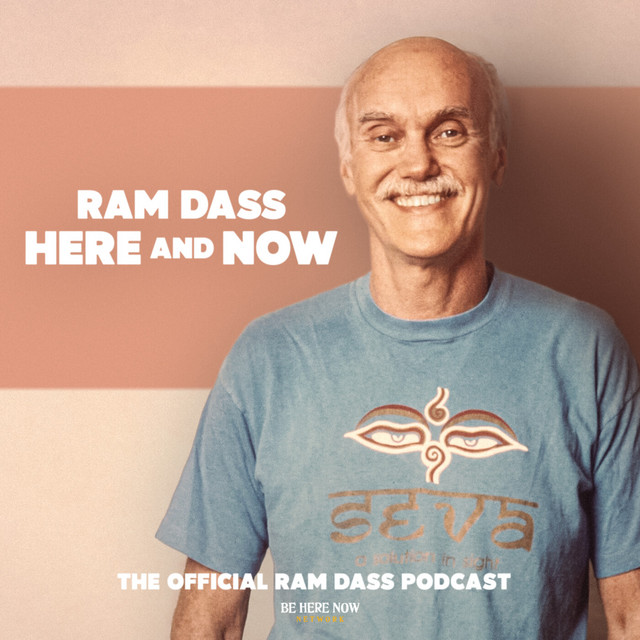
In this 1980s talk from San Francisco, Ram Dass and Stephen Levine examine healing not as a fixed physical outcome but as a shift in consciousness that involves clarity and compassion toward pain and death. Levine draws on his work with Elisabeth Kübler-Ross to show how letting go of our roles and entering a "shared heart" allows people facing illness to move beyond isolation into collective being. Ram Dass reflects on his stepmother's recent passing and the paradox of grief and grace, while both teachers address the burnout that arises when caregivers fail to understand healing's true nature—one that transcends whether the body lives or dies.

Leer · 7 secciones

What is the Real Nature of Healing?

Stephen Levine begins by reframing the concept of healing itself. The typical understanding treats healing as the restoration of physical function—the body returning to its prior state of health. But Levine's work, developed alongside Elisabeth Kübler-Ross, suggests something far more subtle and radical: healing can occur even when the body does not recover. The healing Levine points to is one of the heart and consciousness, a shift in how we hold our experience of pain and mortality.

This distinction matters profoundly for anyone facing serious illness or loss. If healing is only physical restoration, then many people—those with chronic conditions, terminal diagnoses, or ongoing pain—must live in a state of failure. But if healing is fundamentally about the opening of the heart and the movement from separation toward connection, then healing becomes possible in every circumstance, regardless of medical outcome. Levine emphasizes that the body might not always reflect the healing, but the healing is happening nonetheless. This is not resignation; it is a profound shift in the locus of healing itself.

How Does Presence Transform the Experience of Pain?

Levine's work with Kübler-Ross revealed a critical insight: the people who were dying often healed most deeply when the people around them—doctors, nurses, family, spiritual teachers—could let go of their roles and meet them with naked presence. When a caregiver is attached to fixing, curing, or controlling the outcome, they inadvertently reinforce the patient's sense of isolation and failure. The patient becomes an object to be repaired rather than a being to be met.

One story Levine recounts illustrates this principle. A woman facing her own death found herself using her pain as a doorway. Rather than being consumed by her suffering, she allowed it to push past her sense of separateness and into what Levine calls "the shared heart"—a place of collective being where her pain was no longer exclusively hers but part of the larger fabric of human suffering and interconnectedness. In that opening, healing occurred. She did not transcend her pain by denying it or escaping it; she transcended her isolation through it.

This suggests that presence—the quality of showing up without agenda, without the need to fix—is itself therapeutic. Not because it will necessarily cure the disease, but because it allows the person in pain to feel held by the larger community of consciousness rather than abandoned by a defective body.

What is the Role of Consciousness in Healing?

Both Ram Dass and Levine point toward a recognition that has become more visible in contemporary medicine but remains philosophically challenging: consciousness itself is implicated in healing. This is not mystical thinking but an acknowledgment that how we relate to our body, how much shame or self-judgment we carry, and how connected we feel to others and to life itself all affect our physiology and our capacity to endure.

Ram Dass's reflection on his stepmother's recent passing illustrates this. He speaks of being on LSD during his mother's funeral—a detail that might seem to point away from clarity but which, in his telling, allowed him to see beneath the surface of grief into something larger: the beauty of the process itself, the way death and grief and love are not separate things but aspects of a single unfolding. When consciousness is not contracted by fear and denial, the experience of loss can include grace.

Levine's statement—"Healing doesn't have to do with life and death, it has to do with the heart of the moment"—points to the same truth. In any moment, we are either closed or open, defended or present. The quality of consciousness we bring to a moment of pain determines whether that moment deepens our isolation or expands our capacity for connection. This is not a mere reframing; it is a different order of healing.

How Do We Address Burnout in Caregiving?

Ram Dass raises the critical issue of burnout among caregivers—a problem both teachers recognize as rooted in a fundamental misunderstanding of what healing is. When a caregiver believes that healing equals a specific physical outcome, they are vulnerable to despair every time the outcome does not materialize. When they believe that healing is fundamentally about presence and the opening of the heart, the work itself becomes sustainable and renewing.

The caregiver who is burned out is often the one who has made the patient's body-based recovery their responsibility. They carry the burden of an outcome they cannot ultimately control. In contrast, when caregivers learn to enter what Levine calls the "shared heart"—to recognize that they are not separate from the person they are caring for—the work becomes reciprocal. The caregiver is also being healed, also being opened, also being invited into a larger consciousness.

This reframe is not a platitude. It has real consequences for retention, for the emotional health of the caregiver, and for the quality of presence that the person in pain receives. It is the difference between care as burden and care as a spiritual practice.

What Does It Mean to "Reach for Truth"?

Ram Dass describes the intention for this gathering as one that "can reach for truth." In the context of pain and death, this means naming what is actually happening rather than obscuring it with false comfort or denial. The 1980s cultural context in which this talk occurred was still marked by significant taboos around death. People died in hospitals behind curtains. Conversations about mortality were rare. The act of gathering to discuss pain and death directly, with clarity and compassion, was countercultural.

To "reach for truth" in this context means to acknowledge that pain exists, that death is real, that loss is not a failure but a fundamental part of human existence. It means to create a space where these realities can be held without rushing to fix or transcend them. Paradoxically, this honest acknowledgment of what is difficult opens a doorway to deeper acceptance and peace.

How Does the Shared Body Reframe Individual Healing?

One of Levine's deepest insights, referenced in the description of this talk, is that people working with healing the body often come to recognize there is no such thing as healing "my" body in isolation. There is healing of the body we all share. This reflects both Buddhist philosophy (which sees the self as interdependent and ultimately empty of fixed boundaries) and contemporary ecological and systems thinking.

When a person with cancer enters into healing work with this understanding, something shifts. They are no longer fighting their body as if it is enemy territory. They are no longer isolated in their struggle. They are, instead, participating in the healing of the collective body—the body of humanity, the body of life itself. Their pain becomes meaningful not because it serves some larger purpose they understand, but because in surrendering the illusion of separateness, they move into a place where their suffering is held and witnessed and shared.

This is why Levine emphasizes entering the "shared heart." The heart in these teachings is not sentimental; it is the capacity to recognize our fundamental interconnectedness even in—or especially in—moments of profound difficulty.

Where to go from here

To deepen this exploration, seek out Stephen Levine's written work on death and dying, particularly his meditation practices and guided work. His book Who Dies? and A Gradual Awakening offer practical frameworks for the kind of consciousness work both teachers point toward. For Ram Dass's perspective, explore his teaching on service, love, and the dissolution of ego through devotion and direct experience. Look for opportunities to sit with authentic grief and loss rather than bypassing it—this is the actual practice these teachers are pointing toward. Finally, if you are a caregiver or work in healing professions, consider how your understanding of "success" shapes your presence, and whether you might experiment with meeting those you serve without the burden of controlling the outcome.

Comments

Loading the conversation…

Be Here Now Network
ArtistBe Here Now Network

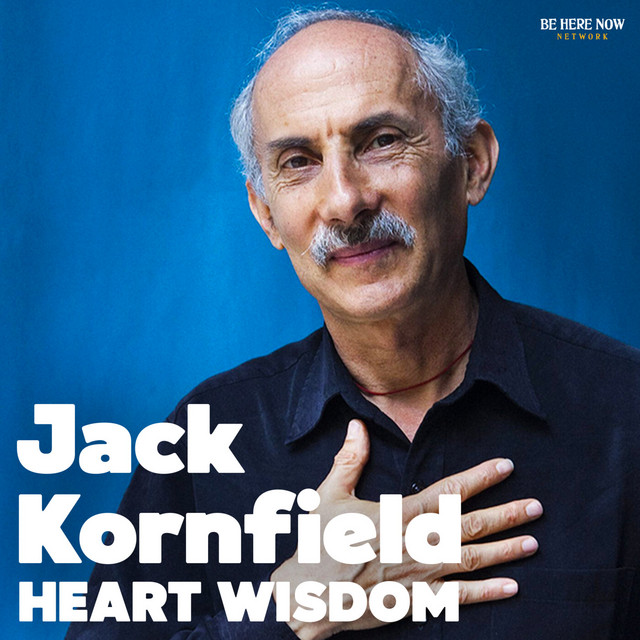
Be Here Now Network is the creator of Heart Wisdom with Jack Kornfield, a podcast exploring consciousness, spirituality, and personal transformation. With 313 episodes, they have c…

Ver perfilSitio web
Explorar temas
Healing-consciousnessDeath-dyingCaregiving-burnoutPain-acceptanceShared-heart

¿Tienes Preguntas?

Preguntas Frecuentes

Yes, according to Stephen Levine and Ram Dass, healing is fundamentally a shift in consciousness and the opening of the heart, not necessarily a physical cure. The body might not recover, but profound healing of the spirit and the capacity to hold pain with compassion can occur regardless of medical outcome.
Entering the shared heart means moving beyond the sense of isolated personal suffering into a recognition of interconnectedness with all beings. It is a shift from 'my pain' to an understanding of participating in the larger fabric of human suffering and consciousness, which paradoxically brings relief and meaning.
Burnout occurs when caregivers believe healing means a specific physical outcome they must control. When caregivers instead understand healing as the opening of presence and the heart, the work becomes sustainable because it is rooted in what they can actually do—show up authentically—rather than outcomes they cannot control.
When a caregiver holds a role or agenda—to fix, cure, or control the outcome—it can reinforce the patient's sense of isolation and failure. Letting go of the role allows for naked presence and genuine meeting, which allows the person in pain to feel held by the community rather than abandoned.
Levine learned that people facing death healed most deeply when those around them could release their need to fix the situation and instead offer presence without agenda. He discovered that healing at the end of life is possible through the opening of consciousness and entry into shared being, not just through medical intervention.
No. Both teachers acknowledge pain and suffering directly; they do not suggest denying physical reality. Rather, they point to a complementary level of healing that acknowledges the body's journey while also opening to a deeper dimension of consciousness where pain does not define our entire being.

Seguir leyendo

More from Be

Ver Todo
Your Life as Preparation for Dying: Lessons from Banaras
Inspire

Your Life as Preparation for Dying: Lessons from Banaras

Ram Dass recalls the burning ghats of Varanasi, a devotee's vision at his guru's death, and Huxley's last words on letting go. Here is what …

1 min read
The Up-Level Trap: Why Oneness Still Means Doing the Dishes
Inspire

The Up-Level Trap: Why Oneness Still Means Doing the Dishes

In a 1978 talk, Ram Dass warns about the spiritual up-level game, the attachment to blissful states, and the difference between seeing onene…

1 min read
Stories as Medicine: How Compassion Heals Division and Builds Connection
Inspire

Stories as Medicine: How Compassion Heals Division and Builds Connection

In this profound exploration of human connection, renowned spiritual teacher Jack Kornfield reveals how stories serve as medicine for our di…

1 min read
Walking the Tightrope: How to Serve Both Heaven and Earth Without Losing Your Balance
Inspire

Walking the Tightrope: How to Serve Both Heaven and Earth Without Losing Your Balance

Ram Dass reveals the spiritual challenge of our time: staying connected to divine consciousness while remaining present to human suffering a…

1 min read

Sigue explorando

Continúa tu camino

Más sabiduría y encuentros de todo el directorio de BrightStar.

Más artículos

Recorre la biblioteca completa de enseñanzas, entrevistas y guías.

Ver todos los artículos →

Maestros y artistas

Explora los linajes, músicos y guías del mundo consciente.

Explorar artistas →

Encuentra un evento

Kirtan, retiros, baños de sonido, breathwork, festivales — muy pronto.

Ver eventos →