BrightStar

Ver Todos los Events

Descubre encuentros conscientes

events

Yoga
Meditation
Breathwork
Qigong
Tai Chi
Sacred Music
World Music
Medicine Music
Sound Healing
Ecstatic Dance
Destinos Populares
BaliSedonaLos AngelesCosta RicaNew YorkSan FranciscoAustinMiamiJoshua TreeTulum
Ver Todas las CategoríasVer Todos los Destinos

Explorar Todas las Características

Herramientas poderosas para hacer crecer tus eventos

Características de la Plataforma

Precios Dinámicos Inteligentes
Categorías de Entradas
Asientos Asignados
Recuperación de Carritos
Recuperación de Visitantes
Donaciones y Escala Móvil
Motor de Afiliados
Escáner de Entradas
Códigos de Cupón
Preguntas Personalizadas
Compartir Entradas
Ventas Adicionales
Análisis e Informes
Secuencias de Email
Lista de Espera / Notificar / Recordar
Personas y Lugares
Artists & TeachersEvent OrganizersVenues & StudiosKnowledge BaseGlossaryInspiration
Ver Todas las CaracterísticasSobre Nosotros
PreciosBlog
Language
Saved events
Ver Todos los Eventos

events

YogaMeditationBreathworkQigongTai ChiSacred MusicWorld MusicMedicine Music

Destinos Populares

BaliSedonaLos AngelesCosta RicaNew YorkSan Francisco

Personas y Lugares

Artists & TeachersEvent OrganizersVenues & StudiosKnowledge BaseGlossaryInspiration

Características de la Plataforma

Precios Dinámicos InteligentesCategorías de EntradasAsientos AsignadosRecuperación de CarritosRecuperación de VisitantesDonaciones y Escala MóvilMotor de AfiliadosEscáner de EntradasCódigos de CupónPreguntas PersonalizadasCompartir EntradasVentas AdicionalesAnálisis e InformesSecuencias de EmailLista de Espera / Notificar / Recordar
Ver Todas las CaracterísticasSobre Nosotros
PreciosBlog
Iniciar sesiónBuscadoresCreadores
  • Ver Todos los Eventos
  • Para Buscadores
  • Yoga
  • Meditación
  • Respiración consciente
  • Qigong
  • Tai chi
  • Música sagrada
  • Música del mundo
  • Música medicina
  • Sanación con sonido
  • Danza extática
  • Retiros
  • Talleres
  • Todas las Categorías →
  • Bali
  • Sedona
  • Los Angeles
  • Costa Rica
  • Tulum
  • Byron Bay
  • San Francisco
  • Austin
  • New York
  • San Diego
  • Denver
  • Seattle
  • Portland
  • Miami
  • Todas las Ciudades →
  • Join the Movement
  • Why we list
  • Sell Globally
  • Para Creadores
  • Para equipos
  • Para Escritores
  • Para Maestros
  • Para Artistas de Kirtan
  • Para Estudios
  • Para Festivales
  • Para Centros de Retiros
  • Para Organizaciones Sin Fines de Lucro
  • Embajador de Marca
  • Entradas sin costo
  • Elevate
  • Amplify
  • Red de +500K Compradores
  • Recuperación de Carritos
  • Precios Dinámicos Inteligentes
  • Categorías de Entradas
  • Eventos Recurrentes
  • Asientos Asignados
  • Motor de Afiliados
  • Lista de Espera / Notificar
  • Escáner de Entradas
  • Widget Embebido
  • Sindicación de eventos
  • Centro de mensajes
  • Integraciones
  • Reportes
  • Todas las Características →
  • Acerca de
  • El ecosistema
  • Blog
  • Glosario
  • Inspiración
  • Centro de Ayuda
  • Contacto
  • Documentación API
  • Recursos de Marca
  • Carreras
  • Prensa
  • Términos de Servicio
  • Política de Privacidad

Eventos

  • Ver Todos los Eventos
  • Para Buscadores
  • Yoga
  • Meditación
  • Respiración consciente
  • Qigong
  • Tai chi
  • Música sagrada
  • Música del mundo
  • Música medicina
  • Sanación con sonido
  • Danza extática
  • Retiros
  • Talleres
  • Todas las Categorías →

Destinos

  • Bali
  • Sedona
  • Los Angeles
  • Costa Rica
  • Tulum
  • Byron Bay
  • San Francisco
  • Austin
  • New York
  • San Diego
  • Denver
  • Seattle
  • Portland
  • Miami
  • Todas las Ciudades →

Para Creadores

  • Join the Movement
  • Why we list
  • Sell Globally
  • Para Creadores
  • Para equipos
  • Para Escritores
  • Para Maestros
  • Para Artistas de Kirtan
  • Para Estudios
  • Para Festivales
  • Para Centros de Retiros
  • Para Organizaciones Sin Fines de Lucro
  • Embajador de Marca
  • Entradas sin costo
  • Elevate
  • Amplify

Características

  • Red de +500K Compradores
  • Recuperación de Carritos
  • Precios Dinámicos Inteligentes
  • Categorías de Entradas
  • Eventos Recurrentes
  • Asientos Asignados
  • Motor de Afiliados
  • Lista de Espera / Notificar
  • Escáner de Entradas
  • Widget Embebido
  • Sindicación de eventos
  • Centro de mensajes
  • Integraciones
  • Reportes
  • Todas las Características →

Empresa

  • Acerca de
  • El ecosistema
  • Blog
  • Glosario
  • Inspiración
  • Centro de Ayuda
  • Contacto
  • Documentación API
  • Recursos de Marca
  • Carreras
  • Prensa
  • Términos de Servicio
  • Política de Privacidad
BrightStar
Descarga la app
Descárgalo en elApp StoreDisponible enGoogle Play
© 2026 BrightStar. Todos los derechos reservados.
Inspiration

Ganesha Mantra for Removing Obstacles: Om Gam Ganapataye Namaha

Prashanti Paz
Prashanti Paz
Jul 16, 2018
8 min de lectura

Imagine a single phrase, sung and repeated 108 times, until the room it fills stops feeling like a waiting room for your problems and starts feeling like a place to set them down. That is the working premise of a recording titled "Ganesha Mantra," posted to YouTube by the singer and composer Paz on July 16, 2018. The track is a devotional chant built on Om Gam Ganapataye Namaha, a short Sanskrit invocation addressed to Ganesha, the elephant-headed deity most often called on to clear the path before anything else begins. Paz's own description promises the mantra will help remove obstacles and bring blessings, abundance and prosperity, and frames the 108-repetition version as suited to meditation, recitation and relaxation. This article takes that claim seriously as a practice, looks at what the words are doing, and places the recording within the long habit of counting mantras on beads and breath.

Leer · 6 secciones

What does Om Gam Ganapataye Namaha actually ask for?

Start with the words, because a chant is only as strong as the intention a singer or listener brings to it. The video's description gives the mantra in its plain form and nothing more, so the reading below draws on general tradition rather than on anything the artist says in the text. In that tradition, Ganesha is the lord of beginnings and of obstacles, both the one who places them and the one who removes them. A devotee therefore calls on him at the threshold of a project, a journey, a conversation or a hard year.

The syllables break down simply. "Om" is the primordial sound most chants open with. "Gam" is the seed syllable, or bija, associated with Ganesha; in practice a bija is less a word to be understood than a compressed sound to be felt in the body and the voice. "Ganapataye" is a vocative form meaning something close to "to the lord of the ganas," the multitudes of attendant beings Ganesha presides over. "Namaha" is a salutation, a bowing of the head and heart. Put together, the phrase is an act of humility: the chanter acknowledges that the way forward is not theirs to clear alone and offers themselves to the one who clears it.

That humility is the quiet engine of the mantra's reputation for prosperity. Abundance in this framing is not a transaction. It is what becomes possible when the obstacles that were blocking movement, money, clarity or relationships have been loosened. Paz's description puts the promise in exactly those terms: removing obstacles "on your path" comes first, and blessings, abundance and prosperity follow from it.

"This is a very powerful mantra to remove obstacles on your path and to bring blessings, abundance and prosperity to your life."

Paz, video description, "Ganesha Mantra," YouTube, July 2018

Why repeat it 108 times?

The number is not decorative. Across South Asian devotional practice, 108 is a standard count for japa, the repetition of a mantra, and it is usually tracked on a mala, a string of beads traditionally numbering 108 plus a guru bead. The reasons given for the number vary by lineage, and the video does not spell out its own reasoning. What is consistent is the function: a fixed count gives the mind a container. You are not asked to repeat the mantra until you feel something; you are asked to repeat it 108 times, and the arithmetic does the work of keeping attention from drifting off into a dozen other tasks.

Paz's description names three uses for this version: meditation, recitation and relaxation. Each asks something slightly different of the listener. For meditation, the repeated phrase becomes an anchor, and the practitioner returns to it whenever thought wanders. For recitation, the chanter speaks or sings along, letting the voice carry the count. For relaxation, the listener may simply sit and let the recording run, with no obligation to keep track at all. A single 108-repetition track can serve all three, which is part of why a recording like this is useful. It removes the need to count aloud, and it provides a steady tempo to sit inside.

If you have never practiced with a mala, a reasonable way to begin is to match your breath to the recording. Inhale across the first part of the phrase, exhale through the rest, and let the next repetition begin on its own. Do not chase the count. If you lose your place, pick it up again at whatever number you are on. The practice is the returning, not the tally.

How is the recording built?

The production credits give a clear picture of who made the track and how. Paz is credited with lead vocals and music composition. Diego Marchionali is credited with piano, back vocals and arrangements. The recording and mix are credited to Diego Marchionatti, and the session is dated July 2018 in Buenos Aires, Argentina. The description's copyright line names Paz Leon. (The pianist's surname appears in two spellings across the credits, Marchionali and Marchionatti; we have reproduced each where it appears and cannot confirm which is correct from the video alone.)

What that lineup suggests is a devotional track built around a voice and a piano rather than a large ensemble. In kirtan and mantra recording, that is a meaningful choice. A lead voice carrying a repeated phrase, with piano harmony sustaining the space underneath, keeps the mantra front and center. It lets the words stay audible across all 108 repetitions, which matters for a listener learning the phrase by ear. It also gives the track a sense of intimacy, as if the singer were in the room with you rather than performing for an audience.

The bilingual description is worth noting too. The English text is followed by a Spanish version of the same paragraph, which tells you who the recording is written for. Buenos Aires is a city with a large Spanish-speaking population, and the creators evidently wanted the practice to reach listeners who would come to the mantra through their own language. That is a small but telling decision about access: the mantra is the same in both, and the invitation is offered in both.

How should you actually use this recording?

The most useful answer is also the least dramatic. Put the track on at a time you can protect, sit or lie down, and let the 108 repetitions run. If you want to meditate with it, close your eyes and treat the phrase as a home base. If you want to recite, sing or murmur along, and let your voice find the melody Paz has built. If you only want to relax, let the recording do what recordings do, which is hold a space for you while you rest.

Be realistic about the promise. The description says the mantra will help remove obstacles and bring abundance. Within the devotional tradition, that is the expected fruit of sustained practice, and many people find that a steady daily chant changes their relationship to stress and to their own impatience. The video does not offer a guarantee, and a responsible reading treats it as an invitation to practice rather than a formula for results. Pair it with the ordinary work that actually moves a life forward, and let the chant be the steadying element beside that work.

What this video does and doesn't tell you

The honest limit of this piece is worth stating plainly. There is no transcript for this video, so nothing here reports what the singer says on camera, and no spoken teaching is quoted. What the material offers is the title, the description, the credits and the recording itself. Everything above about the mantra's meaning, the mala and the practice of japa comes from the broader tradition the phrase belongs to, not from commentary in the video. A reader who wants the artist's own account of why she chose this mantra, or how she came to the practice, will need to listen to the track or look for interviews elsewhere.

Where to go from here

Start with the recording itself. Listen once straight through without trying to do anything, then listen again with the goal of matching your breath to the phrase. If you want to deepen the practice, get a mala, count a few rounds a day, and notice how the count changes the feel of the chant. To understand the mantra more fully, read introductions to Ganesha in the Hindu devotional tradition and to the practice of japa, which will give the bead count and the seed syllable their full context. And if the Spanish version of the description speaks to you more directly, let that be the entry point. The mantra was always meant to be carried in whatever language the heart can hear it in.
Comments

Loading the conversation…

Prashanti Paz
ArtistPrashanti Paz

Devotional singer, musician, writer and meditation teacher whose luminous, soothing chanting invites listeners into joy, peace and the oneness in all.

Ver perfilSitio web
Explorar temas
Ganesha-mantraOm-gam-ganapataye-namahaJapa-malaSanskrit-chantingDevotional-music

¿Tienes Preguntas?

Preguntas Frecuentes

It is a Sanskrit invocation addressed to Ganesha, the deity of beginnings and obstacles. Roughly, "Gam" is the seed syllable associated with Ganesha, "Ganapataye" means to the lord of the ganas, and "Namaha" is a salutation or bow. The chanter is acknowledging that the path ahead is not cleared by their effort alone.
108 is a standard count for japa, or mantra repetition, across South Asian devotional practice, usually tracked on a 108-bead mala. The fixed number gives the mind a container and keeps attention from drifting. The video's 108-repetition version is designed for meditation, recitation and relaxation.
The recording can serve both. For meditation, the repeated phrase works as an anchor you return to when thought wanders; for relaxation, you can simply let the track run without counting. The description names all three uses: meditation, recitation and relaxation.
The video's description claims the mantra helps remove obstacles and brings blessings, abundance and prosperity. In the devotional tradition, those outcomes are understood as the fruit of sustained practice rather than a guaranteed result, so it is best approached as a steadying daily practice alongside ordinary effort.
Paz is credited with lead vocals and music composition, and Diego Marchionali with piano, back vocals and arrangements. The recording and mix are credited to Diego Marchionatti, made in July 2018 in Buenos Aires, Argentina. The pianist's surname is spelled two different ways in the credits.
Begin by matching your breath to the phrase, inhaling through the first part and exhaling through the rest. Count one repetition per bead and move along the mala, and if you lose your place, resume from wherever you are. The practice is in returning to the mantra, not in finishing the count perfectly.

Seguir leyendo

More from Prashanti

Ver Todo
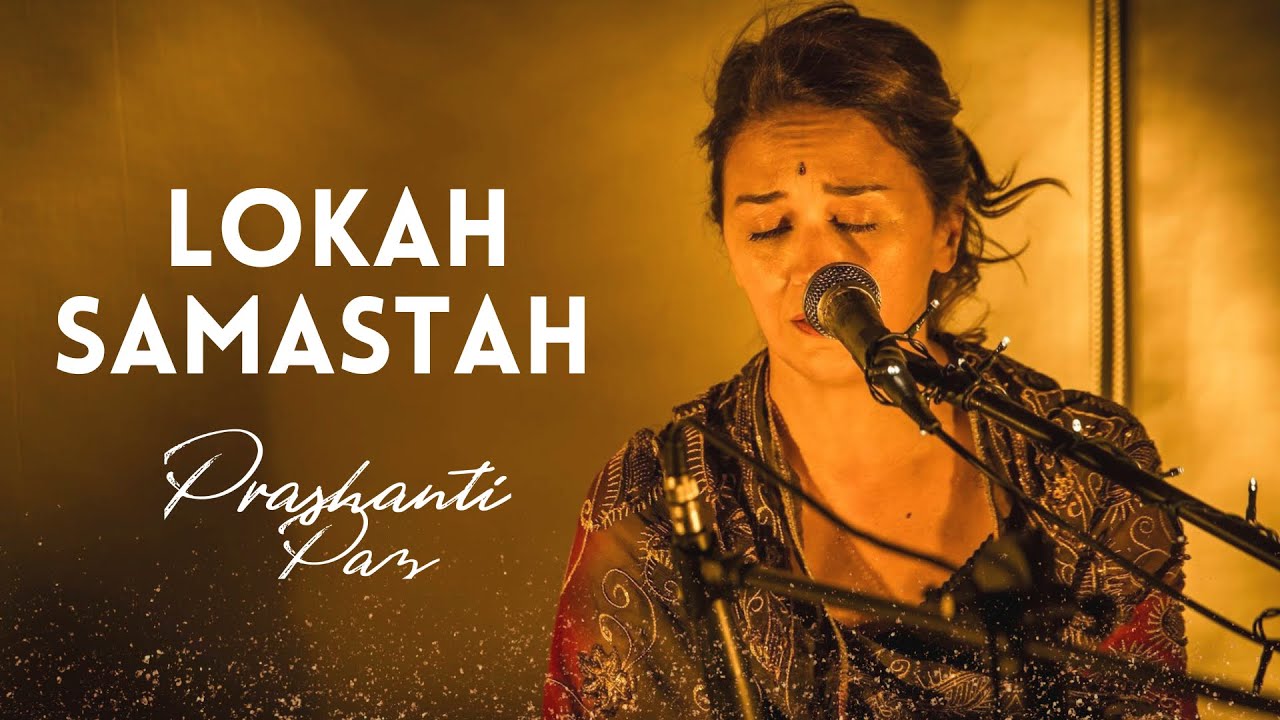
Lokah Samastah: An Unrehearsed Reunion in Buenos Aires
Inspire

Lokah Samastah: An Unrehearsed Reunion in Buenos Aires

A devotional mantra session recorded in Buenos Aires in December 2022, with no rehearsal and three musicians back in the same room after thr…

1 min read
Icaros and the Amazonian Heart Song "Abrete Corazón"
Inspire

Icaros and the Amazonian Heart Song "Abrete Corazón"

Prashanti Paz's lyric video presents "Abrete Corazón," an icaro from Peruvian Amazonian healing work. Here is what the song is, where it cam…

1 min read
Opening a Lighthouse: Gratitude, Seva and Song in Mumbai
Inspire

Opening a Lighthouse: Gratitude, Seva and Song in Mumbai

A three-hour live ceremony in Borivali West reopens a Brahma Kumaris service center. Here is how gratitude, seva and devotional song shape t…

1 min read
Why Spiritual Seeking Can Keep You From Finding It
Inspire

Why Spiritual Seeking Can Keep You From Finding It

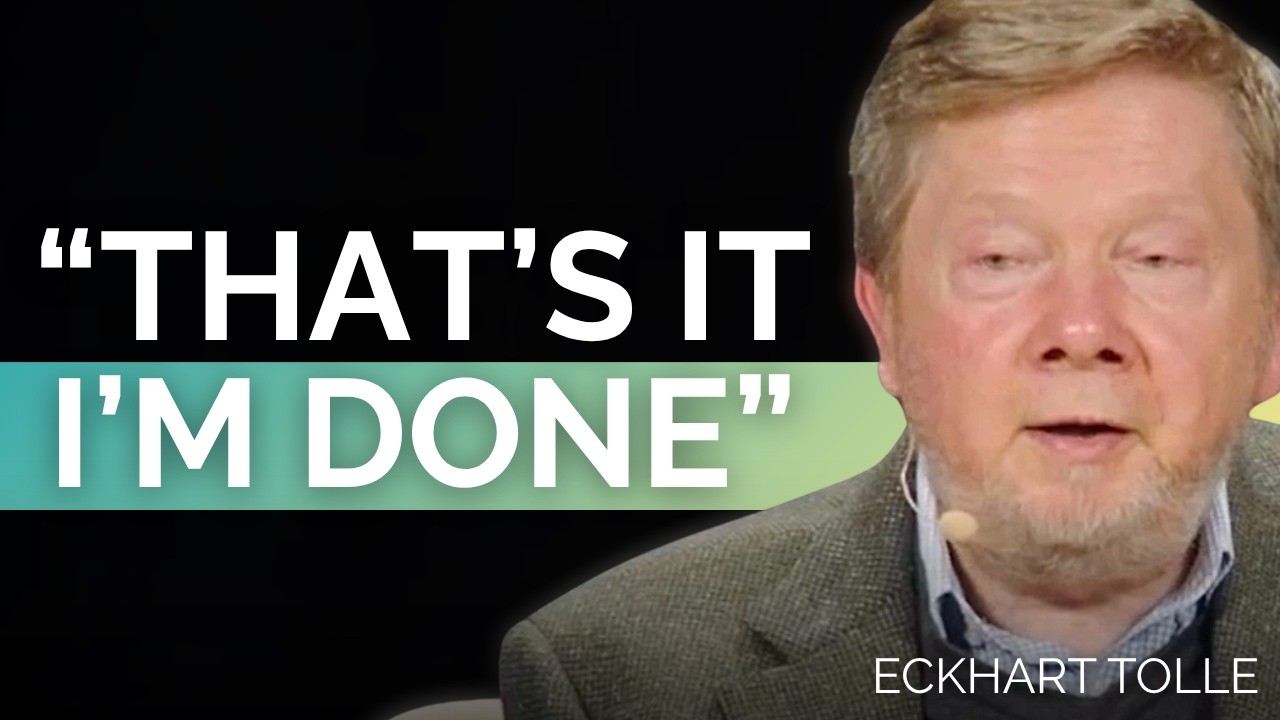
Eckhart Tolle argues that the spiritual search can hide the deep I, which is already present in the now. He reads the Buddha's tree, the 6:3…

1 min read

Sigue explorando

Continúa tu camino

Más sabiduría y encuentros de todo el directorio de BrightStar.

Más artículos

Recorre la biblioteca completa de enseñanzas, entrevistas y guías.

Ver todos los artículos →

Maestros y artistas

Explora los linajes, músicos y guías del mundo consciente.

Explorar artistas →

Encuentra un evento

Kirtan, retiros, baños de sonido, breathwork, festivales — muy pronto.

Ver eventos →