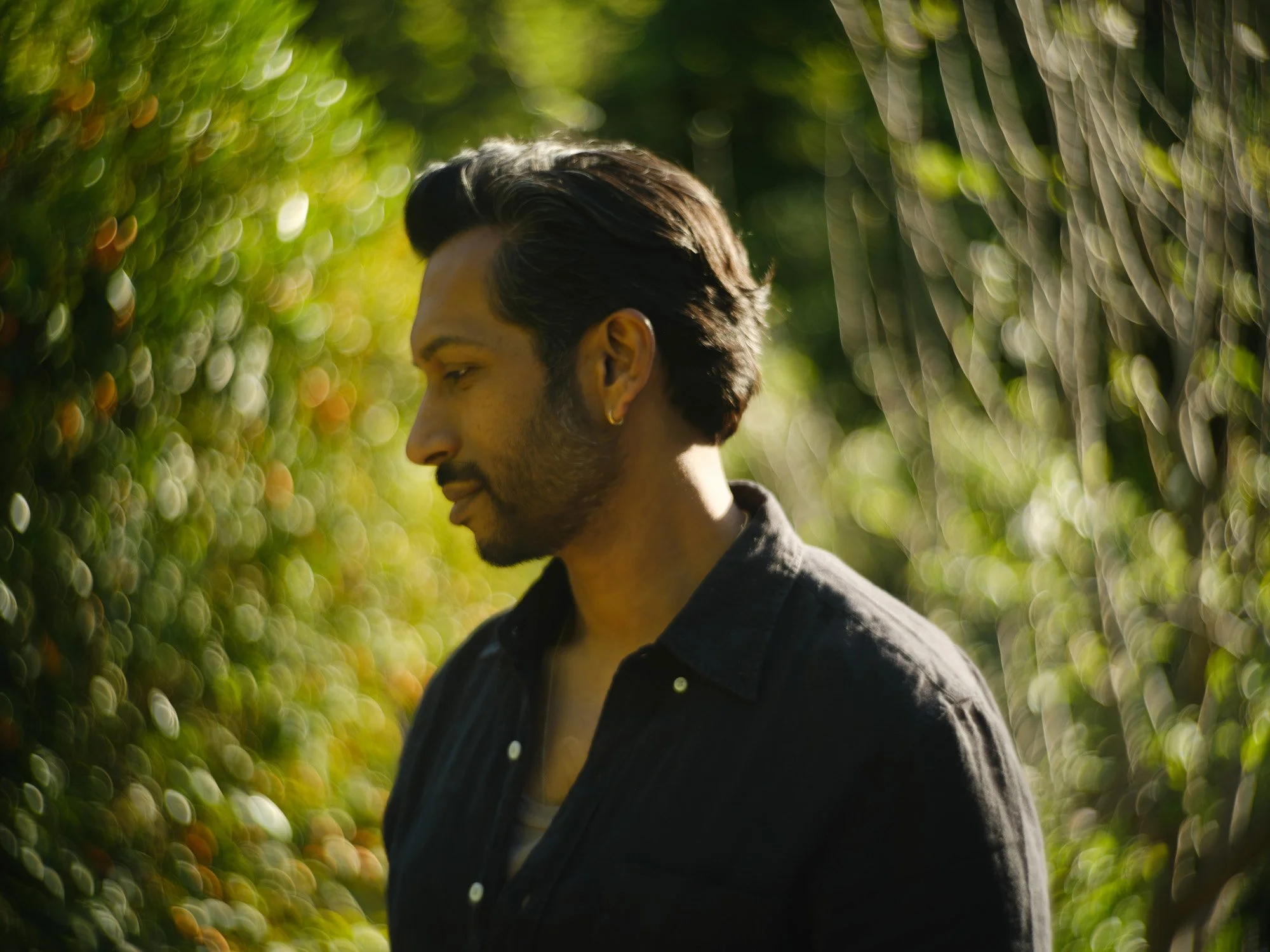

Hrishi's discography presents an unusual case in contemporary music: a deeply realized artistic practice that has yet to manifest in a traditional album catalog. As a musician, composer, and sound practitioner working at the intersection of Hindustani and Carnatic traditions, Hrishi has developed a distinctive approach to raga as a therapeutic technology—treating the ancient melodic frameworks not as performance repertoire but as living instruments for nervous system regulation and emotional release. While their recorded output remains forthcoming, their documented composition "therigiradhe" signals an artist committed to extended listening formats, microtonal ornamentation, and the sustained drone structures that allow listeners to enter meditative states through tonal immersion. For those discovering Hrishi's work, this guide would typically walk through each album chronologically, mapping the evolution from initial explorations to mature statements. Instead, it stands as an open invitation—a placeholder for recordings that may exist in private circulation, sound therapy sessions, or unreleased archives, waiting for the moment when this rigorous practice finds its way to wider distribution.
For devotional immersion: When Hrishi's catalog emerges, seek the recordings that honor specific ragas traditionally associated with spiritual surrender—likely pieces performed in the early morning hours (between 4-7 AM) when devotional ragas like Bhairav or Todi would naturally unfold. These would offer the microtonal bends and sustained tones that dissolve the boundary between listener and sound.
For contemplative states: Look to evening raga compositions, particularly those drawing on Carnatic traditions where mathematical precision meets emotional depth. The composition "therigiradhe" suggests Hrishi's capacity for creating pieces that balance structural rigor with spaciousness, ideal for reflective listening during twilight hours.
For energetic renewal: Should recordings emerge featuring afternoon ragas or pieces designed for activation rather than settling, these would harness the brighter, more kinetic qualities of the raga system—scales that stimulate rather than sedate, rhythmic pulses that energize the nervous system.
For healing work: Any release explicitly framed as sound therapy would represent Hrishi's core practice most directly—extended formats designed not for casual listening but for therapeutic application, where raga functions as medicine and the album becomes a treatment protocol rather than entertainment.
---
Note to the listener: This guide awaits completion by the artist themselves. Hrishi's work exists primarily in the ephemeral realm of live sound healing sessions and private practice, where recordings serve therapeutic rather than commercial purposes. The absence of a conventional discography does not indicate absence of work—rather, it suggests an artist whose primary medium may be presence itself, the unrepeatable encounter between practitioner and participant in real time. When and if these recordings enter public circulation, they will document a practice already years deep, already refined through countless sessions of applied listening. Until then, those interested in Hrishi's approach to raga as healing technology must seek out their sound therapy offerings, workshops, and the rare compositions like "therigiradhe" that hint at a fully formed artistic vision awaiting its documented form.