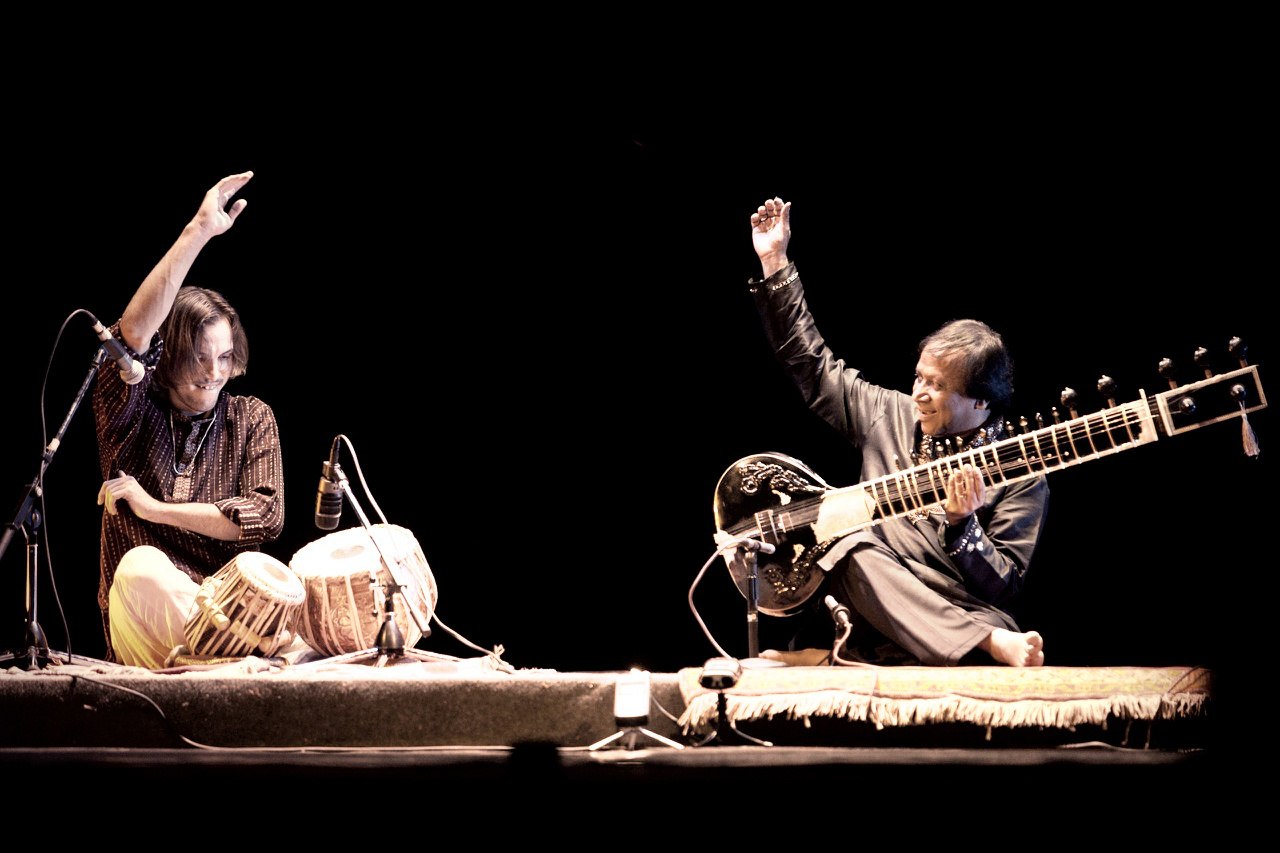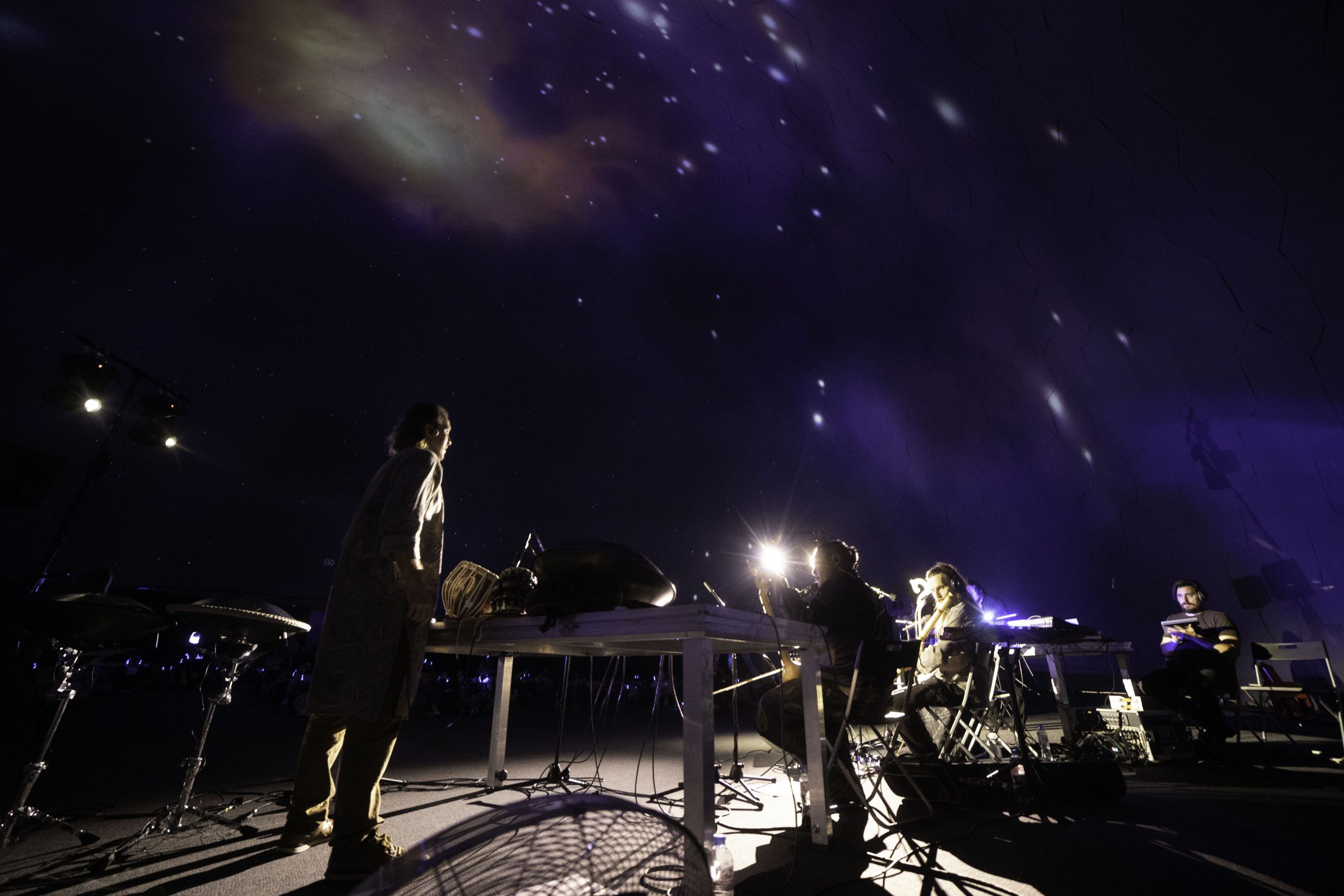

Begin With a Live Recording or Workshop Documentation
The best entry point into Denis Kucherov's work isn't a studio album—it's attending one of his music retreats or, failing that, seeking out any available recordings from his festival performances. Kucherov's practice centers on creating immersive listening environments where the spatial qualities of tabla and handpan can breathe. His work loses essential dimensionality when compressed into casual listening contexts. If you can't attend in person, look for his ensemble recordings before exploring solo pieces. The conversation between instruments reveals his compositional thinking more clearly than any single voice.
The Next Steps: Building Your Understanding
After that initial encounter, move to his solo handpan work. Here you'll hear the metallic resonance and cyclical structures that define his aesthetic without the complexity of layered percussion. Pay attention to how he uses silence—not as absence, but as structural material.
Third, investigate his tabla compositions specifically. This is where his grounding in North Indian classical tradition becomes explicit. The precise tonal vocabulary and rhythmic architecture will reframe everything you heard in the handpan pieces.
Finally, if possible, take one of his classes or attend a workshop. Kucherov's pedagogy isn't separate from his artistic practice; it's integral. Understanding how he teaches these instruments illuminates why he composes the way he does.
What to Expect on First Encounter
Kucherov's music asks for attention. Not background-listening attention, but the kind of focus you'd bring to meditation or conversation with someone you respect. Expect acoustic textures that shift subtly—metallic overtones from the handpan blooming and decaying, tabla strokes creating intricate rhythmic webs. The music often works in cycles rather than linear progressions. A piece may establish a pattern, elaborate it, then return with slight variations. This isn't minimalism for its own sake; it's an invitation into durational listening.
The pacing will likely feel slower than you expect, especially if you're coming from contemporary electronic or popular music. That slowness is intentional. Kucherov creates space for each sound to complete its natural resonance.
Common Misunderstandings
Beginners often mistake Kucherov's work for ambient music or "world music fusion." It's neither. While his compositions create immersive sonic environments, they're structurally rigorous, built on specific rhythmic frameworks from North Indian classical tradition. This isn't fusion—it's disciplined exploration of how two distinct percussion lineages can speak to each other.
Another misunderstanding: treating his retreat work as separate from his artistic output. The retreats aren't supplementary income or teaching gigs divorced from composition. They're laboratories where the listening conditions his music requires can be fully realized.
Don't expect virtuosic display. Kucherov's technical command is evident, but his compositions prioritize texture and cyclic development over showmanship.
When This Work Lands Hardest
Kucherov's music tends to resonate most during transitional periods—when you're between projects, relationships, or life phases and need something that creates space rather than filling it. It's particularly powerful when you're learning to sit with uncertainty or developing a contemplative practice. His work also connects deeply with people who are discovering acoustic instruments after years of digital sound, or who are beginning to understand rhythm as something beyond meter and tempo.
A One-Week Starter Plan
Day 1-2: Listen to an ensemble recording twice. Once while doing nothing else, once while reading the liner notes or any available context about the performance.
Day 3-4: Find solo handpan recordings. Listen while walking outside, paying attention to how the instrument's resonance interacts with ambient sound.
Day 5: Explore tabla-focused work. Research basic tabla strokes (bols) to understand the tonal language you're hearing.
Day 6: Return to the ensemble recording. Notice what you hear differently now.
Day 7: Locate upcoming performances or retreat offerings. Commit to attending one within six months.