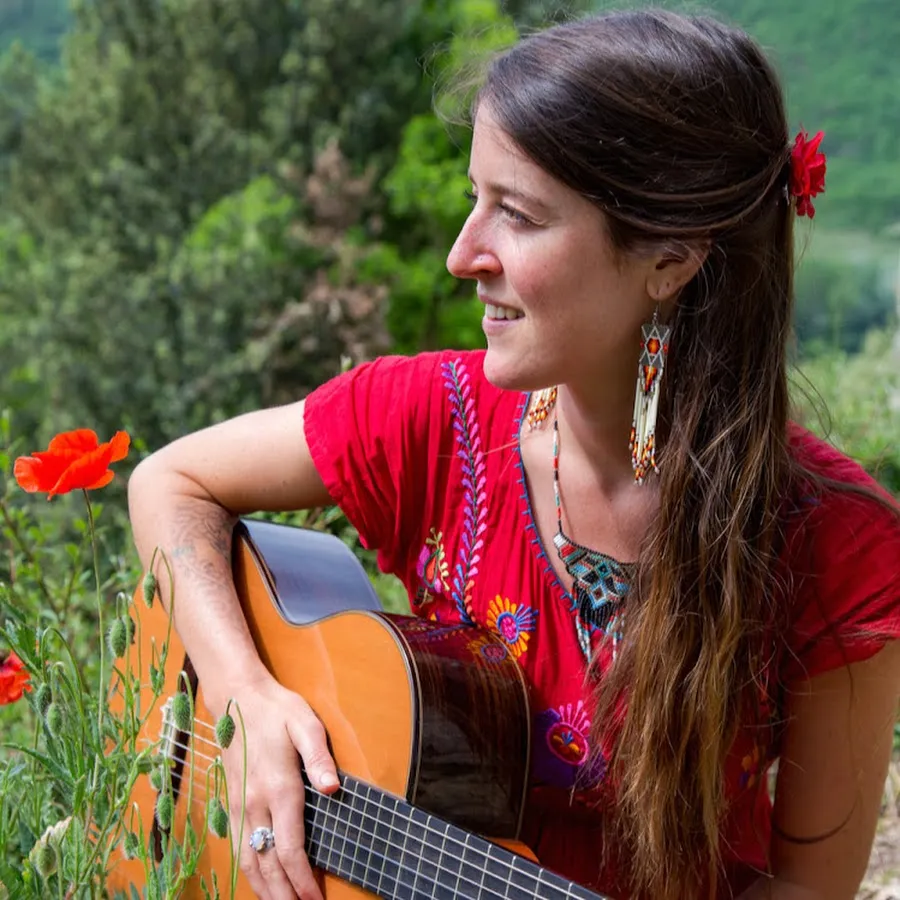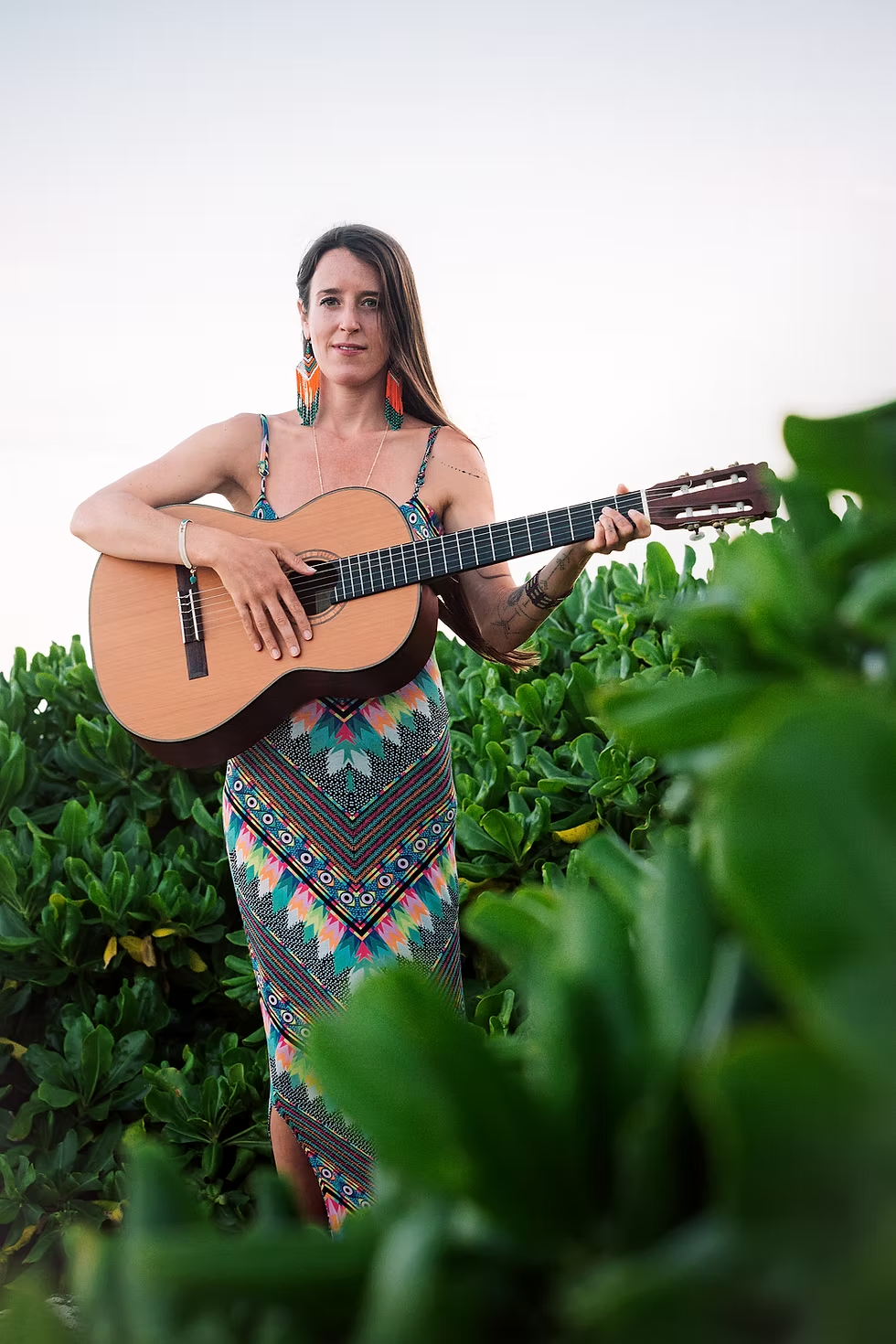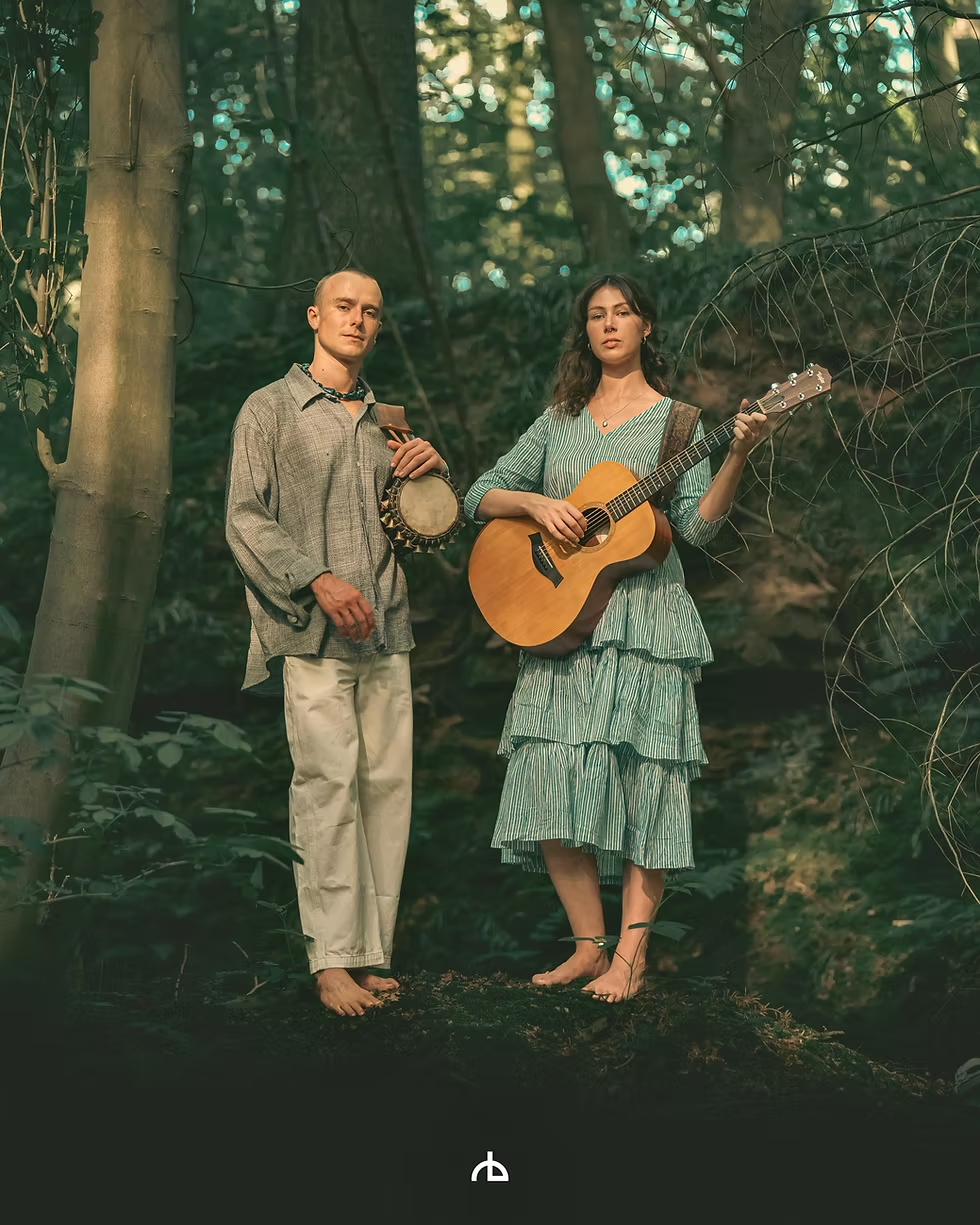

Within you arrived on 6 March 2026 as a single with one track, so this guide is a close look at one song rather than a record to be mapped. It is the newest point on a long line. Ayla Schafer began performing at sixteen and gained experience across the UK festival scene. A journey through South America in 2010 became a turning point. The years she spent away from home shaped her writing and taught her, through various indigenous traditions, about the healing power of song. She now lives among the ancient wild lands of Dartmoor, and describes herself as a mother of two. A single is a small gesture, but in a body of work built on remembrance and presence, a small gesture can carry a great deal.
Details of the arrangement, such as which instruments appear, who plays them, and how long the track runs, are not part of the record I have, so I won't pretend to describe them. What can be said comes from how Schafer describes her work: a "world folk" and medicinal-song approach, with a poetic repertoire sung in Spanish, English and Proto-Celtic, the reconstructed ancestral language of the Bronze Age. She is billed as a "Voice of the Earth," which puts the voice at the center of everything she does.
So listen first for the voice. Notice which language it chooses, how it handles breath and silence, and whether the pacing feels like a lullaby, a call or a slow unfolding. Her songs aim to carry memory, remembrance and power while holding the beauty, shadow and rawness of human experience. Ask whether the mood leans toward comfort or toward something more exposed. A title like Within you points inward, and the song's job may be to turn your attention that way.
"Within you"
With a single, the signature track is the whole release, and it shares its name with the project. That choice reads as a statement of intent. Her stated purpose is to invite listeners to reconnect with themselves, the earth and the quiet power of presence. The title phrase works as an instruction as much as a lyric: the thing sought is already inside the listener.
What makes a song like this land is usually restraint. One track gives no room to wander, so the song has to set its atmosphere quickly and hold it. Listen for how it opens, where it gathers weight and how it lets go. If the lyric moves between languages, notice whether the shift in tongue also shifts the feeling. A line in Spanish can feel different in the body than one in English, and a Proto-Celtic phrase can feel like something heard from very far back.
Schafer's own framing places her in world folk and medicinal song, shaped by what she learned from indigenous traditions on her travels. It also draws on earth consciousness and ancestral wisdom, which is why she is also described as a ceremonial musician. This is not a claim of lineage in any one school. The bio names no teacher or guru, and it is more accurate to say she draws on many sources and keeps her own voice at the center.
The closest neighbors are devotional and ceremonial song, and folk music that treats singing as remembrance rather than performance. If you come from kirtan or bhakti listening, expect a different texture. This is song as a way of tending the inner landscape and the land, not call-and-response worship. If you come from folk, expect the lyric and the voice to carry the weight, with the musical setting in service of presence.
This single will mean most to someone in a threshold moment: after a move, a loss or a long stretch away from home, or in the tender days of early parenthood when the world narrows to a small circle. Her own path involved years of travel and a return to a wild, quiet place, and listeners who are coming home to themselves may feel that most keenly.
It will also suit people who already use music for ceremony, breathwork, journaling or quiet practice and want a short, focused piece rather than an hour-long immersion. Those who want driving rhythm or a broad album statement may find a single too slight. Anyone who values a voice that sounds rooted in place and memory will find it rewarding.
Give it a quiet, unhurried setting. Evening works well, with the lights low and the phone away. Headphones are worth using, because the details of a voice, such as the breath before a line, the grain on a held note and the way a word is shaped, are easy to lose through speakers.
Play it three times. The first time, do nothing but listen. The second time, follow the language and sit with whatever words or sounds you can catch, even if you don't know the tongue. The third time, close your eyes and note where in your body the song seems to settle. If you keep a ritual of any kind, such as a candle, a cup of tea, a short walk or a few minutes outdoors afterward, let the song open that practice, and let the silence after the final note be part of the listening.
A single gives you only a few minutes, so let it be spacious. The title offers its own instruction: listen for what is already there.