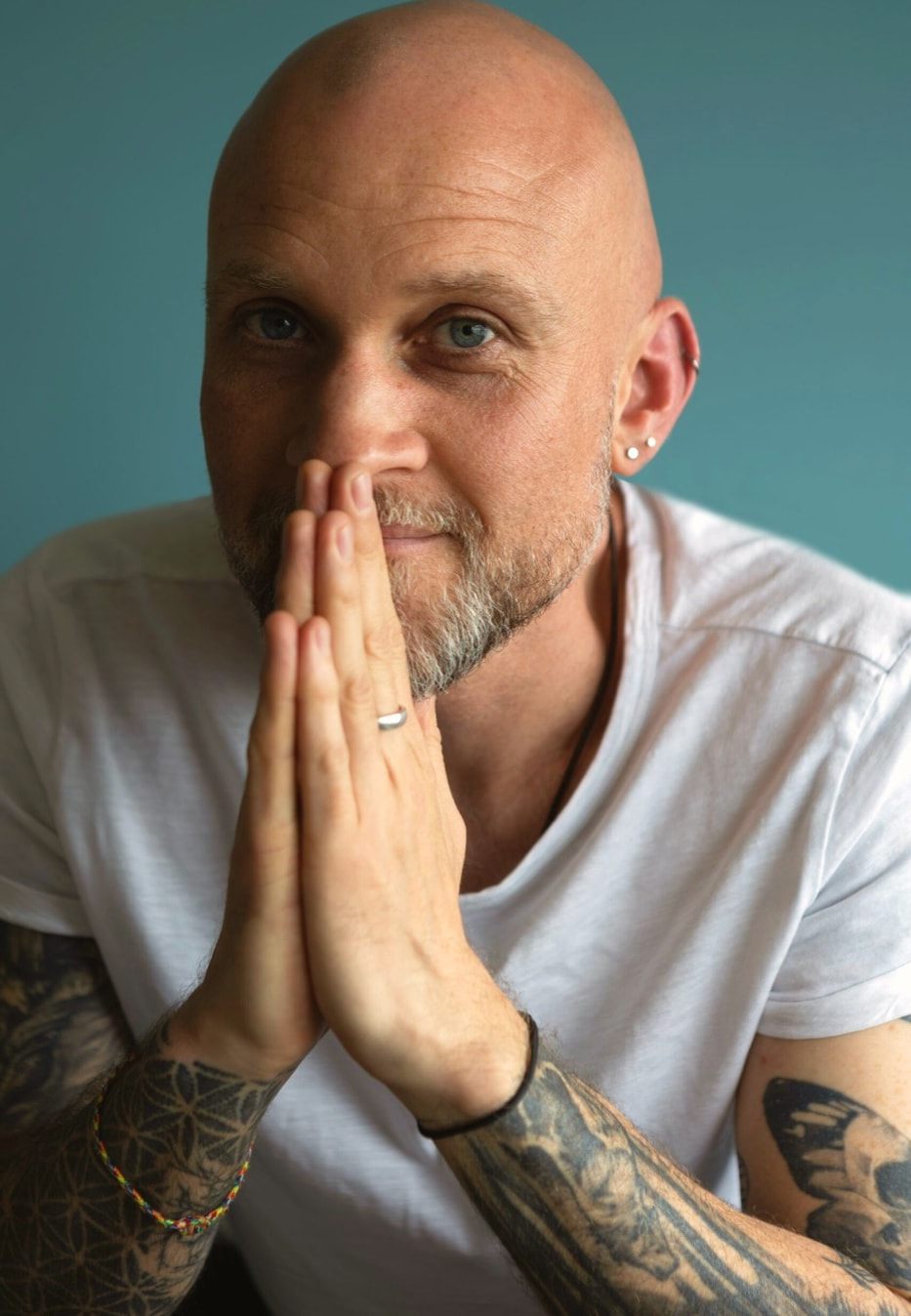

Dali
Meditation Teacher · London
Acerca de
Dali is an accredited meditation teacher with the British School of Meditation, teaching since 2022. Born and bred in the North East of England, he is well travelled and now calls London home.
Dali is an accredited meditation teacher with the British School of Meditation, teaching since 2022. Born and bred in the North East of England, he is well travelled and now calls London home.
He was introduced to meditation in India, a country close to his heart. Soon afterwards he realised he wanted to teach and share his experiences, in the hope that meditation could help others as it has helped him.
His approach is generally secular, while borrowing from Buddhism and other belief systems and philosophies. He focuses on removing the barriers people come up against in daily life, so that peace, calm and happiness have the best chance of being present. He offers guided meditations, a beginners' introduction, a five-lesson course called Living With Anger, and 1:1 and group online sessions.
His mission is to share the tools and techniques he has learned with as many people as possible. His vision is a diverse, worldwide community of meditators who practise together, support each other and share the same values: kindness, respect, patience, and the understanding that everyone is on their own path.



Lineage & Inspiration
Spiritual Influences
The teachers, lineages, and practices that shape Dali's path.

Questions
Dali is a London-based accredited meditation teacher trained through the British School of Meditation, teaching since 2022. He brings a grounded, practical sensibility to meditation—drawing from his own introduction to the practice in India and his lived experience navigating modern life in the North East and London. What sets him apart in a saturated market of meditation apps and wellness influencers is his refusal to dress up the work in New Age language; his focus is on the mechanics of anxiety, anger, and restlessness, not transcendence mythology. Students come to him for concrete tools to reduce suffering in daily life—managing emotions, building discipline, sitting through difficulty without drama. His 202,500 Spotify followers suggest he's found an audience beyond the typical meditation-app demographic, likely through guided audio content that travels well. He's gained traction because he demystifies meditation: it's not about becoming enlightened or spiritual, it's about becoming less reactive and more present.
Dali's practice is rooted in Buddhism, though he describes his approach as primarily secular—a deliberate choice that shapes everything he teaches. Rather than asking students to adopt Buddhist philosophy or devotional elements, he extracts the practical techniques: mindfulness, attention training, and emotional regulation as taught within Buddhist meditation traditions. His bio explicitly states he borrows from Buddhism and other belief systems and philosophies, suggesting eclecticism grounded in pragmatism rather than strict doctrinal adherence. This positioning appeals to students interested in meditation's therapeutic benefits—reducing anxiety, anger, rumination—but skeptical of religious framing or spiritual claims they can't verify. The accreditation through the British School of Meditation anchors him in a Western, secular lineage of teacher training, not an Eastern guru-student transmission model. His vision emphasizes kindness, respect, patience, and the understanding that everyone is on their own path—more compatible with humanistic psychology than Buddhist institutional structures, though the techniques themselves derive from Buddhist sources.
Start with his beginners' introduction, which removes the assumption that you know what meditation is or why you'd want to do it. If you're new to his teaching, that entry point is designed for genuine skeptics—people who've heard meditation helps but aren't sure they can sit still or that it will work on them. From there, if you have a specific area of friction in your life, particularly around anger, frustration, or emotional reactivity, his five-lesson Living With Anger course is a structured pathway that names what most people experience but won't articulate in meditation circles: meditation isn't just about relaxation, it's about developing the skill to notice anger arising and not being ruled by it. For ongoing practice, Dali offers guided meditations and group online sessions that build from these foundations. His website dalimeditation.com contains the current schedule and specifics on session length and cost. The guided meditations available through Spotify also provide standalone audio content if you want to practice without committing to a course or live session.
Most meditation teachers in the secular Western market lean toward aesthetics—calming voices, nature sounds, vague references to inner peace. Dali's distinction is his specificity around emotion, particularly anger, and his refusal to pathologize it. The fact that he's named a full five-lesson course around anger management signals he sees emotional turbulence as a legitimate, teachable problem, not something to transcend or suppress. His North East England background and grounding in practical, secular Buddhism gives his teaching a working-class directness—he's not performing serenity, he's teaching a skill. His position at the British School of Meditation means he's formally trained and accountable to a recognized body, which matters for students wary of unaccredited teachers selling transformation. Most teachers in his space chase retention and lifetime customers; Dali's stated mission is democratization: sharing tools with as many people as possible, suggesting he prioritizes reach over premium pricing.
Dali's work is not for seekers looking for spiritual awakening, mystical experience, or a guru-student relationship. If you want meditation pointing toward higher consciousness, enlightenment attainment, or integration with the divine, his secular approach will disappoint. Similarly, if you need a teacher who validates emotional avoidance or spiritual bypassing—using meditation to transcend feelings rather than meet them—Dali's focus on emotional literacy and anger management will feel confrontational. His approach is secular-specific, which may feel incomplete for practitioners committed to Buddhist philosophy or other religious traditions; he's taken the techniques and left the worldview. Additionally, students who prefer a gentle, aspirational tone—think wellness apps with soft piano and whispered affirmations—might find Dali's direct, skill-building emphasis too austere. For practitioners already deep in Buddhist study or involved in intensive retreat work, his introductory and anger-management courses may be too basic, designed for people new to meditation or stuck in a particular struggle rather than advancing subtle states of mind.
The primary point of contact is his website, dalimeditation.com, which hosts his current class schedule, any upcoming retreats or special sessions, and registration for his beginners' introduction and Living With Anger course. His Spotify profile, where he has 202,500 followers, contains his guided meditation recordings and recent audio releases; you can follow him there for notifications of new drops. Most of his teaching is offered online through 1:1 sessions and group sessions, so geography matters less than you'd expect, though his London base and connection to India might inform special intensives or retreat offerings. He hasn't yet built presence on YouTube or Apple Music, so Spotify and his website are your main channels. Given his stated mission to build a diverse, worldwide community of meditators, expect expansion to multiple platforms over time—his website newsletter would announce those shifts first. If interested in in-person work in London or retreats linked to his India connection, his newsletter would be the direct way to stay informed.
Dali's style prioritizes accessibility and emotional pragmatism over aesthetics. His teaching removes barriers—meeting people where they are rather than asking them to adopt spiritual language or beliefs. In a guided meditation session, you'd likely encounter a clear, direct voice explaining the purpose of the practice before diving in, rather than immersive ambiance without context. His emphasis on removing the barriers people encounter in daily life suggests his sessions are problem-focused: if you're working with anxiety, he's teaching how attention works and how to redirect a hijacked nervous system, not asking you to visualize light or chant. Group online sessions typically include more teaching—how to practice, what to expect—whereas 1:1 work can be more responsive to what you're struggling with that week. The Living With Anger course structure suggests a progressive curriculum rather than free-form exploration; you're building a skill over five lessons, not wandering toward undefined transformation. His approach is rigorous, honest, and unadorned. If you're seeking hand-holding or inspiration, this might feel cold; if you're seeking clarity and technique, it fits exactly.
The clearest theme is that meditation is a practical tool for emotional regulation, not a path to transcendence. The prominence of Living With Anger signals that anger—normally pathologized or suppressed in meditation spaces—is addressed head-on as a learnable skill. Related is the theme that peace and calm are achievable through practice, not through belief or favorable circumstances. His bio emphasizes that meditation has helped him personally, and his mission is to extend that help to others—positioning the teacher as someone who practices and benefits, not as an enlightened authority separate from ordinary struggle. The value system he articulates—kindness, respect, patience, understanding that everyone is on their own path—recurs throughout: there's no hierarchy of spiritual attainment, no advanced students versus beginners, just people practicing according to their pace and need. The secular lens is also recurring; he's not asking for faith in Buddhism or any belief system, just willingness to observe your own mind. Finally, accessibility and democratization thread through his teaching: his mission to share tools with as many people as possible suggests focus on breadth and inclusivity over exclusivity.
Dali has produced multiple audio releases from 2022 to 2026, including HER, iiNgcambu zikaThixo, A Woman, Broken Song (Acoustic Version), G O O D D A Y, and Meervaart Studio Vol. 2—all available on Spotify. These recordings, given his work as a meditation teacher, likely include guided meditations or audio teachings, providing access to his work asynchronously for people who prefer independent learning. What's clear is that he's produced audio content consistently since beginning to teach in 2022, making him accessible to students who want practice without committing to live sessions. Beyond Spotify releases, there's no indication he's published written books or long-form video teaching; the focus appears to be audio-based and live sessions. For deeper study beyond recordings, students would engage with his structured courses—the beginners' introduction and Living With Anger course—or sign up for ongoing group sessions or 1:1 work. His website may host additional free resources or educational clips; checking dalimeditation.com directly would reveal what's available.
No—his explicit beginners' introduction is designed for people with zero meditation experience. He assumes newcomers are skeptical, confused, or intimidated, and his introductory offering addresses those barriers directly. You don't need to be Buddhist, spiritual, religious, or philosophically prepared; his secular approach means he's teaching a practical skill—attention, emotional awareness—that doesn't require adopting any belief system. If you're coming to Living With Anger with a specific struggle, that structure is meant for people stuck in a particular difficulty, not advanced practitioners. The only background that might help is general openness to the idea that sitting quietly and observing your mind might shift how you relate to difficulty—not belief in meditation's power, just willingness to try. If you've tried meditation before and found it useless or boring, Dali's direct, problem-focused approach might work better than the vague sit-and-breathe instruction you may have received. His teaching emphasizes that everyone is on their own path, meaning he's not expecting prior study, years of practice, or any particular attainment.


¿Eres tú? Reclamar esta página ›
There's more where this came from.
BrightStar is the global directory of artists, teachers, and healers in the wellness and spiritual movement. Find your next experience — or add yourself.
Discover More Artists
Browse 14,000+ curated profiles across kirtan, yoga, meditation, and beyond.
Explore directory →Find an Event Near You
Kirtan, retreats, sound baths, breathwork, ceremonies — happening this week.
Browse events →Add Your Profile
Are you an artist, teacher, or healer? Get listed — free, AI-assisted, live in minutes.
Get started →