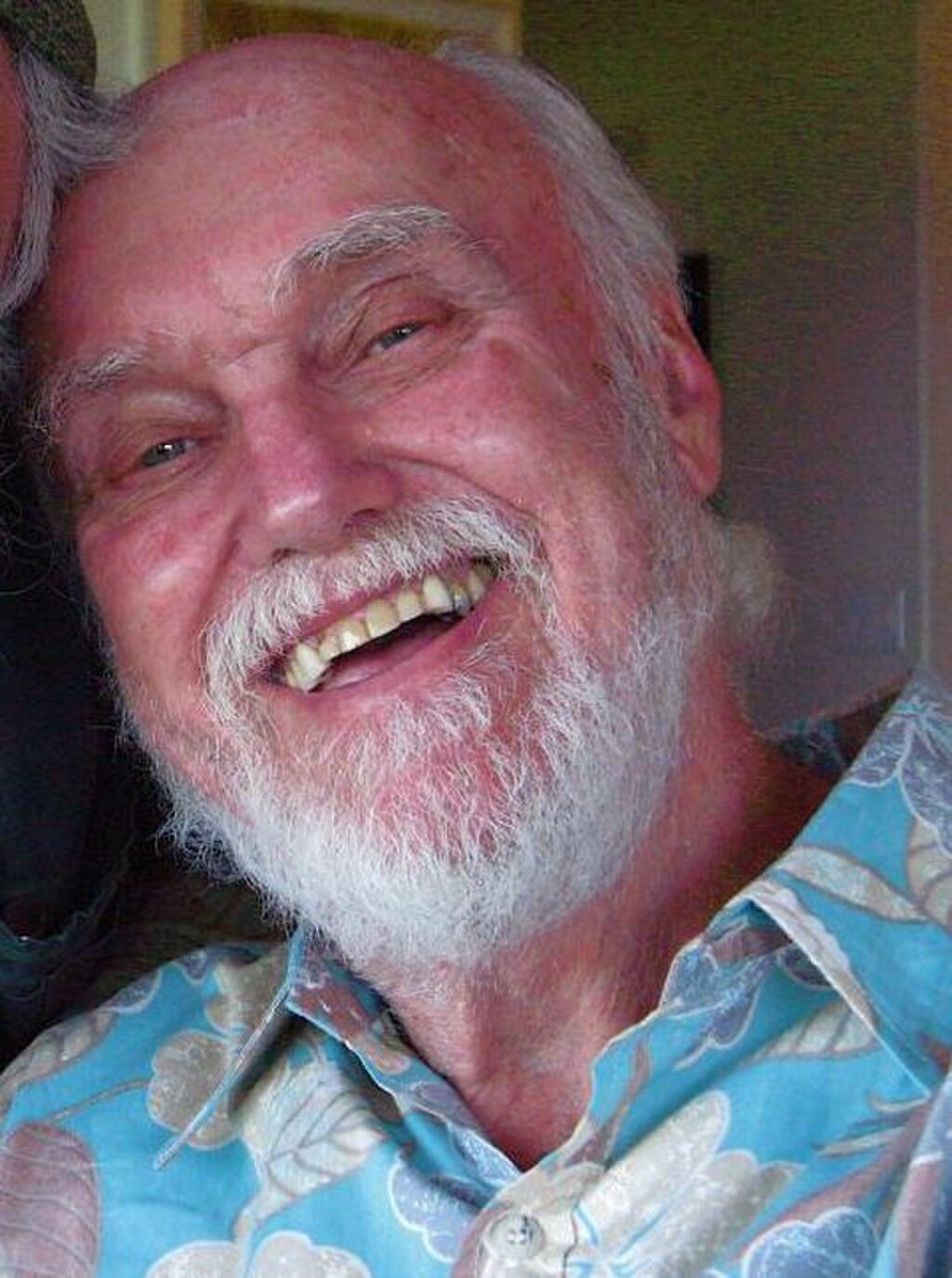
The Essence of Action: Spirit Over Form
Ram Dass's poignant assertion, "It's not what you do; it's the spirit in which you do it," invites us to delve into the deeper currents of intention that flow beneath our actions. This quote challenges the conventional understanding of success and achievement, urging us to recognize that the essence of our endeavors lies not in their outward appearance but in the inner quality that fuels them. In a world often obsessed with results, this perspective beckons us to cultivate a more profound awareness of our motivations and the energy we bring to our daily lives.
By emphasizing spirit over action, Ram Dass invites us to reflect on the transformative power of intention. It is a call to examine the heart of our actions, to ask ourselves what drives us in our pursuits. This inquiry is not merely philosophical; it has practical implications for how we engage with the world and with one another. When we align our actions with a spirit of love, compassion, and authenticity, we create a ripple effect that can profoundly influence our relationships and the broader community.
The image / the metaphor
At first glance, the quote presents a simple dichotomy: the act itself versus the spirit behind it. The imagery conjured here is one of a vessel—our actions—filled with the essence of our intentions. The verbs chosen—"do" and "spirit"—suggest a dynamic interplay between the tangible and the intangible. It is as if Ram Dass is inviting us to look beyond the surface of our daily tasks and recognize the deeper currents that shape our experiences.
Delving deeper into this metaphor, we can envision our actions as expressions of a larger narrative, one that is colored by our intentions. The spirit in which we act can transform mundane tasks into sacred rituals. For instance, cooking a meal can become an act of love when infused with care and mindfulness, while the same action performed out of obligation may feel hollow. This metaphor encourages us to consider how our inner state shapes the quality of our contributions to the world.
In the speaker's tradition
Ram Dass's insights are deeply rooted in the Hindu tradition, where the concepts of dharma and bhakti illuminate the significance of intention. Dharma, often translated as "righteous duty," emphasizes the importance of aligning one's actions with a higher purpose. Similarly, bhakti, the path of devotion, underscores the transformative power of love and surrender in our actions. In this context, the spirit behind our actions becomes a reflection of our commitment to a greater good, transcending mere personal gain.
In the Bhagavad Gita, a foundational text in Hindu philosophy, Lord Krishna advises Arjuna to act without attachment to the fruits of his labor, emphasizing the importance of selfless action. This teaching resonates with Ram Dass's quote, as it highlights the idea that the quality of our actions is enhanced when they are performed with a spirit of detachment and devotion. The Gita encourages us to cultivate an inner state of equanimity, allowing our actions to flow from a place of love and purpose rather than fear or desire.
Living the teaching
Consider a modern scenario where this teaching can be applied: a workplace setting where collaboration is essential. Imagine a team project where individuals are driven by competition rather than a shared vision. In such an environment, the actions taken may yield results, but the spirit of cooperation and mutual support is absent. By shifting the focus from individual achievement to a collective intention rooted in collaboration and respect, the team can transform their interactions, leading to a more harmonious and productive outcome.
Another application of this teaching can be found in personal relationships. In moments of conflict, it is easy to become entrenched in the desire to be right or to win an argument. However, if we approach these interactions with the spirit of understanding and compassion, the nature of the conversation shifts dramatically. By prioritizing connection over contention, we can foster deeper intimacy and healing, illustrating how the spirit behind our words can profoundly impact our relationships.
A reflection
As we contemplate Ram Dass's wisdom, we are invited to reflect on our own lives: What is the spirit in which I approach my daily actions? Are my intentions aligned with love, compassion, and authenticity, or are they clouded by fear, obligation, or expectation? This inquiry can serve as a guiding light, illuminating the path toward a more intentional and meaningful existence, where the essence of our actions resonates with the highest ideals of our being.