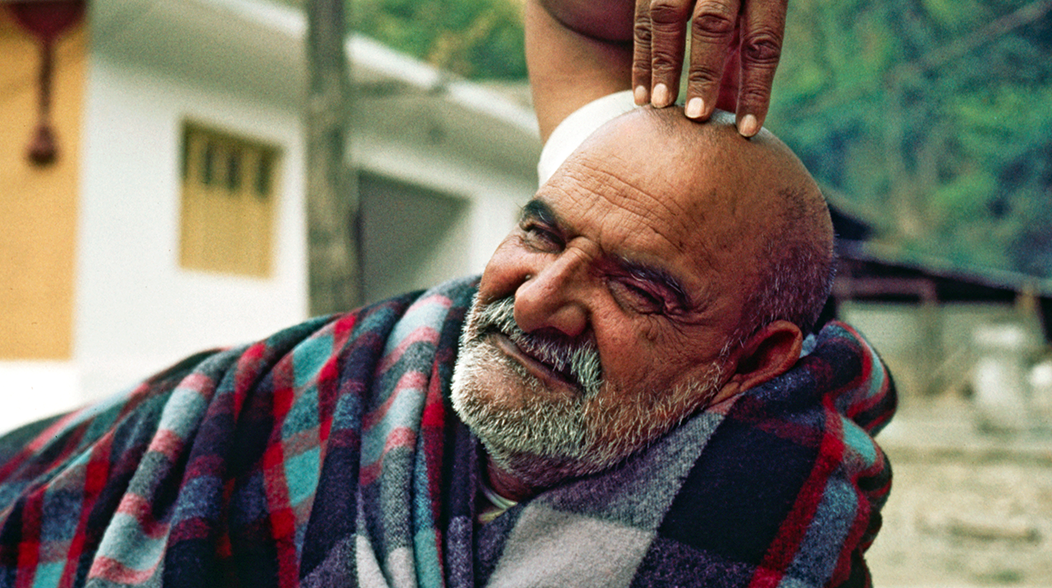
Neem Karoli Baba's succinct instruction, "Take the blanket and serve," invites us into a profound exploration of service as a spiritual practice. This simple yet potent phrase encapsulates the essence of selflessness and the transformative power of compassionate action. In a world often preoccupied with individual gain, this call to serve challenges us to reconsider our priorities and the ways we engage with others, urging us to embody love through tangible acts of kindness.
At its core, this quote embodies the spirit of bhakti, a devotional path that emphasizes love and service to others as a means of connecting with the divine. By inviting us to take the blanket—a symbol of warmth and protection—and serve, Neem Karoli Baba encourages us to recognize our interconnectedness and the sacredness of every act of giving. This teaching resonates deeply in our contemporary lives, where the need for compassion and connection is more pressing than ever.
The image / the metaphor
The imagery of a blanket evokes feelings of comfort, safety, and nurturing. It suggests a tangible resource that can be shared, representing not just physical warmth but also emotional and spiritual support. The verb "serve" carries a weight of action, urging us to move beyond mere intention into the realm of practice. This call to action is a reminder that love is not only a feeling but also a commitment to the well-being of others, inviting us to engage actively in the world around us.
Diving deeper into the metaphor, the blanket can be seen as a representation of our own resources—time, energy, and compassion—that we can offer to those in need. By taking the blanket and serving, we are reminded that our gifts are meant to be shared, fostering a sense of community and belonging. This act of service becomes a sacred practice, transforming both the giver and the receiver, as it creates a space for connection and mutual support.
In the speaker's tradition
Neem Karoli Baba's teachings are deeply rooted in the bhakti tradition, which emphasizes devotion and love as pathways to spiritual realization. Central to this tradition is the concept of dharma, or righteous duty, which calls us to act in ways that uphold the well-being of others. This idea resonates with the notion of kenosis, the self-emptying love that allows us to serve without attachment to the outcome. In this light, taking the blanket and serving becomes an expression of our highest duty, aligning our actions with the greater good.
In the Bhagavad Gita, a foundational text of the bhakti tradition, Krishna speaks of selfless action as a means to liberation. He encourages Arjuna to perform his duty without attachment to the fruits of his labor, emphasizing that true service arises from a place of love and devotion. This aligns beautifully with Neem Karoli Baba's instruction, reminding us that the act of serving is not merely about fulfilling obligations but about embodying love in every interaction.
Living the teaching
Consider a modern scenario where this teaching can take root: a community in need of support after a natural disaster. In such moments, individuals are often called to take action, whether by providing food, shelter, or emotional support. By taking the blanket and serving, community members can come together to create a network of care, demonstrating how collective action rooted in compassion can heal and uplift those affected. This tangible expression of service not only meets immediate needs but also fosters a sense of solidarity and hope.
Another application of this teaching can be found in our personal relationships. Imagine a time when a friend is going through a difficult period, perhaps facing loss or uncertainty. By taking the metaphorical blanket—offering our time, listening ear, or even a simple gesture of kindness—we can serve them in their moment of need. This act of service deepens our connection and reinforces the idea that love is best expressed through our actions, reminding us that even small gestures can have a profound impact on another's life.
A reflection
As we contemplate Neem Karoli Baba's invitation to "take the blanket and serve," we are called to reflect on our own lives and the ways we can embody this teaching. What does it mean for you to serve in your daily life? Consider the opportunities that arise in your interactions with others—how can you take the blanket and offer warmth, support, and love to those around you? This question invites us to explore the depth of our compassion and the transformative potential of our actions.