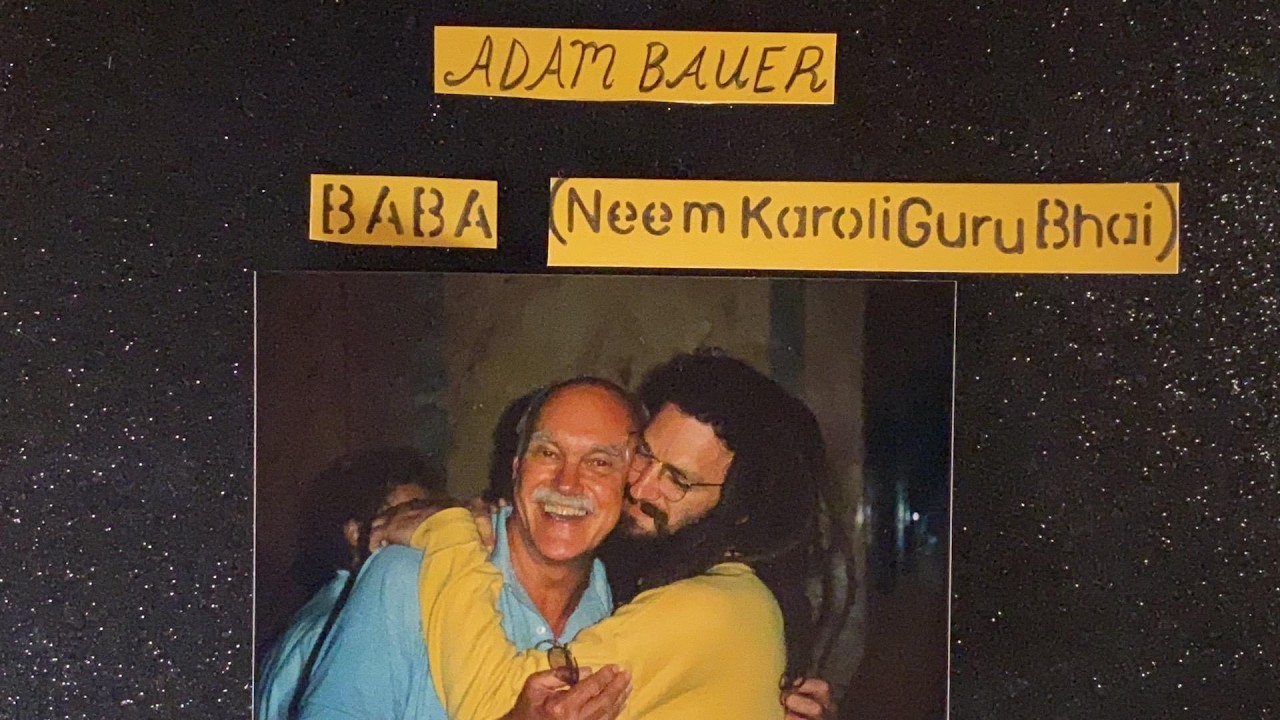
Neem Karoli Baba's assertion, "Don't worry about your karma. Love covers everything," invites us to reconsider the weight we place on our actions and their consequences. In a world often dominated by the fear of retribution and the burden of past deeds, this quote serves as a gentle reminder that love has the power to transcend these concerns. It speaks to the heart of human experience, suggesting that the essence of our being is not defined solely by our actions but by our capacity to love and be loved.
This perspective is particularly poignant in a time when many feel overwhelmed by the complexities of life and the moral weight of their choices. The idea that love can envelop and redeem us from the entanglements of karma offers a liberating vision. It encourages us to cultivate a deeper connection with love, not just as an emotion but as a transformative force that can reshape our understanding of existence and our place within it.
The image / the metaphor
The imagery in Neem Karoli Baba's quote is rich and evocative. The phrase "love covers everything" conjures a sense of warmth and protection, suggesting that love acts as a blanket, shielding us from the harsh realities of our past actions. The verbs "don't worry" imply a release from anxiety, inviting us to let go of our burdens and trust in the power of love to heal and transform. This metaphorical language evokes a feeling of safety, as if love is a sanctuary where we can find solace from the judgments of karma.
In the speaker's tradition
Neem Karoli Baba's teachings are deeply rooted in the tradition of bhakti, which emphasizes devotion and love for the divine as the path to spiritual realization. In this context, the concept of dharma—our duty or moral responsibility—intersects with the notion of love, suggesting that true fulfillment comes not from rigid adherence to rules but from a heart aligned with love. This aligns with the idea of kenosis, or self-emptying, where one surrenders the ego to embrace a greater love that transcends personal concerns.
Moreover, the notion of grace is central to bhakti, where divine love acts as a transformative force that can redeem us from the cycles of karma. In the Bhagavad Gita, Krishna speaks of surrendering to divine will, which resonates with Neem Karoli Baba's message. The text emphasizes that through devotion and love, one can attain liberation, suggesting that love indeed has the power to cover and transform our karmic burdens.
Living the teaching
Consider a modern scenario where this teaching can be applied: a workplace conflict where misunderstandings and past grievances create tension among colleagues. In such a situation, the weight of karma—past actions and their repercussions—can feel overwhelming. However, if individuals choose to approach one another with love and compassion, they can create an environment where healing occurs. By prioritizing love over resentment, they can dissolve the barriers created by past actions, fostering a collaborative and supportive atmosphere.
In personal relationships, this teaching can manifest during moments of conflict or misunderstanding. Imagine a disagreement with a loved one that has escalated into hurt feelings and resentment. By consciously choosing to respond with love—listening deeply, expressing empathy, and seeking to understand the other person's perspective—one can navigate the complexities of the relationship. This approach not only alleviates the burden of past actions but also nurtures a deeper connection, illustrating how love can indeed cover everything.
A reflection
As we contemplate Neem Karoli Baba's profound words, we are invited to reflect on our own lives: How might we allow love to guide our actions and perceptions, especially in the face of past mistakes or burdens? This question encourages us to explore the transformative power of love in our daily experiences, challenging us to let go of fear and embrace the grace that comes from loving unconditionally.