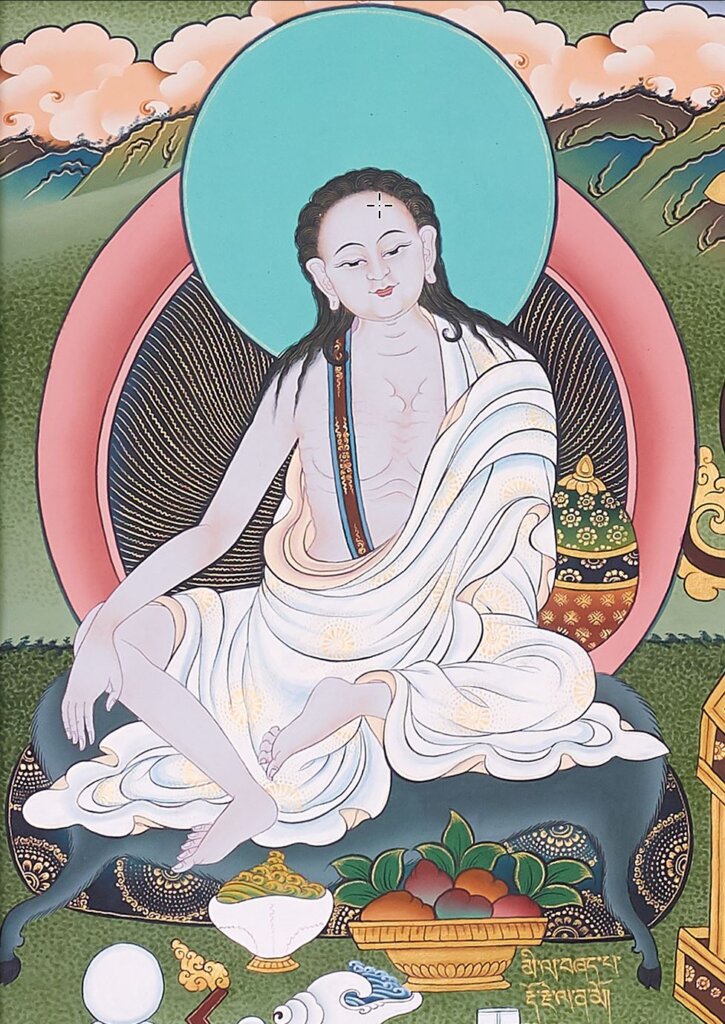
Embracing the Gift of Impermanence
Milarepa's poignant declaration, "Use it well while it is mine," invites us to reflect on the transient nature of our existence and the stewardship we hold over our lives and bodies. This quote serves as a reminder that our time, resources, and even our physical forms are not permanent possessions but rather gifts that we are entrusted with for a fleeting moment. The stakes are high; how we choose to engage with these gifts can shape our spiritual journey and the impact we have on the world around us.
In a world often consumed by distraction and the relentless pursuit of more, Milarepa's words urge us to cultivate mindfulness and intentionality in our actions. The essence of this teaching lies in recognizing the impermanence of all things, which can lead to a deeper appreciation for the present moment. By embracing this perspective, we can transform our daily experiences into opportunities for growth, compassion, and connection, ultimately enriching our spiritual practice.
The image / the metaphor
At its core, Milarepa's quote evokes a vivid image of stewardship and responsibility. The phrase "use it well" suggests an active engagement with the gifts we have been given, while "while it is mine" underscores the temporality of our existence. The verbs chosen—"use" and "is"—imply a dynamic relationship between the self and the world, emphasizing that our time and resources are not merely to be consumed but to be utilized thoughtfully and purposefully.
Diving deeper into the metaphor, we can see that Milarepa's words resonate with the Buddhist concept of impermanence (anicca). Just as a river flows and changes, so too do our lives and the circumstances surrounding us. This understanding invites us to let go of attachment and to engage fully with the present moment, recognizing that each experience is unique and fleeting. In this light, the quote becomes a call to action, urging us to live with intention and to honor the gifts we have been given.
In the speaker's tradition
Milarepa, a revered figure in Tibetan Buddhism, embodies the principles of dharma and the transformative power of spiritual practice. His life story, marked by profound suffering and eventual enlightenment, illustrates the importance of using our time wisely and cultivating a deep connection with our inner selves. The concept of kenosis, or self-emptying, aligns closely with Milarepa's teaching, as it encourages us to release our attachments and embrace the impermanence of life.
In the context of Buddhist texts, we can draw parallels to the teachings found in the Heart Sutra, which speaks of sunyata, or emptiness. This notion emphasizes that all phenomena are transient and interconnected, urging us to recognize the fluidity of existence. By understanding that our lives are not fixed but rather a series of moments to be experienced, we can better appreciate Milarepa's call to "use it well" and engage with our lives in a meaningful way.
Living the teaching
Consider a modern scenario where this teaching resonates: a busy professional grappling with the demands of work and personal life. In the rush to meet deadlines and achieve goals, one may overlook the importance of savoring each moment. By embracing Milarepa's wisdom, this individual can shift their focus from mere productivity to intentional engagement, recognizing that each task, conversation, and interaction is an opportunity to practice mindfulness and gratitude.
Another application of this teaching can be found in relationships. Imagine a couple navigating a difficult period, where misunderstandings and frustrations abound. By internalizing the essence of Milarepa's quote, they can approach their challenges with a renewed sense of purpose, choosing to communicate openly and compassionately. This mindful engagement allows them to honor their connection and the time they share, transforming potential conflict into a deeper understanding of one another.
A reflection
As we contemplate Milarepa's profound words, we are invited to ask ourselves: How am I using the gifts of my life in this moment? This question encourages us to reflect on our choices, our relationships, and our spiritual practices, prompting us to consider whether we are living with intention and gratitude. In embracing this inquiry, we can cultivate a deeper awareness of our stewardship over our lives and the impact we have on the world around us.
