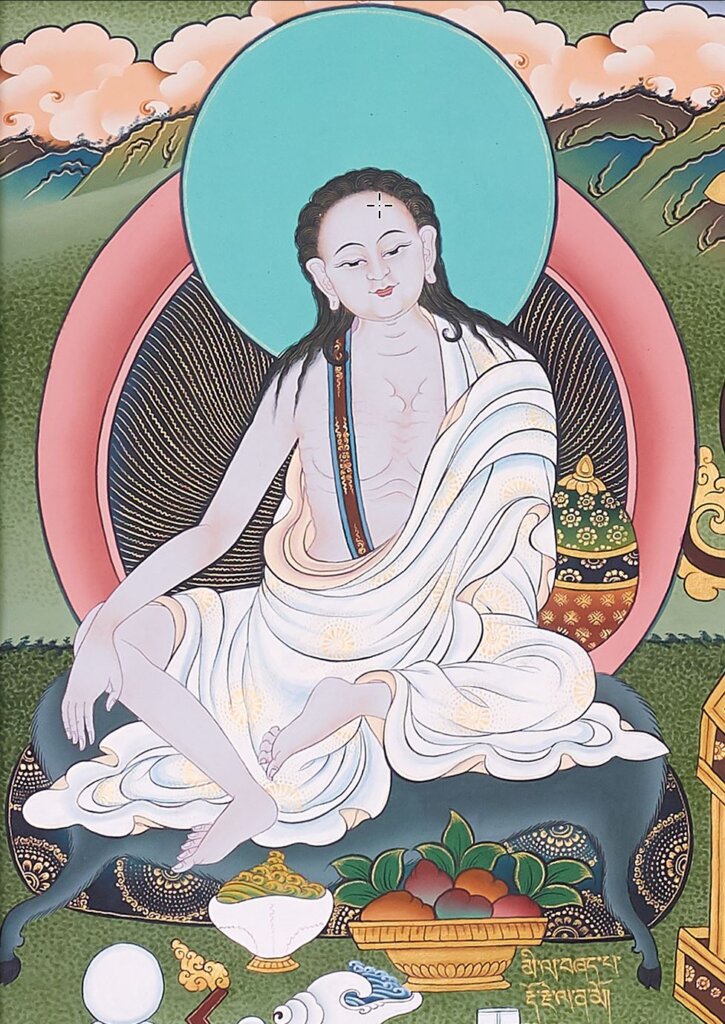
Milarepa's assertion that "letting go is the source of all peace" invites us to explore the profound relationship between our attachments and our inner tranquility. In a world often characterized by clinging to desires, fears, and expectations, this statement serves as a gentle reminder of the liberation that comes from surrendering our grip on what we cannot control. The stakes are high: our peace of mind hinges on our ability to release these burdens, allowing us to experience a deeper sense of serenity and connection to the present moment.
To let go is not merely to relinquish; it is to embrace a transformative process that can lead us to a more profound understanding of ourselves and our place in the universe. This teaching resonates deeply within the context of Buddhist philosophy, where the concept of attachment is often seen as a root cause of suffering. By recognizing that peace arises from the act of letting go, we are invited to cultivate a practice of mindfulness and acceptance, fostering an inner landscape where peace can flourish.
The image / the metaphor
At its core, Milarepa's quote evokes a vivid image of release, akin to a bird soaring into the sky after being freed from a cage. The verb "letting go" suggests an active choice, a conscious decision to relinquish the weight of our attachments. This imagery speaks to the felt sense of liberation that accompanies the act of surrender, as if we are shedding layers of heaviness that have long constrained our spirit. The notion of "source" further emphasizes that peace is not a distant goal but an inherent quality that emerges when we allow ourselves to be unencumbered.
In the speaker's tradition
Milarepa, a revered figure in Tibetan Buddhism, embodies the teachings of dharma, which emphasize the importance of understanding the nature of suffering and the path to liberation. His life story, marked by profound transformation, illustrates the power of kenosis—the self-emptying that allows for the fullness of spiritual experience. In this context, letting go is not merely an act of relinquishment but a profound engagement with the concept of sunyata, or emptiness, which invites us to recognize the impermanence of all things and the interconnectedness of existence.
In the "Songs of Milarepa," we find echoes of this teaching in verses that speak to the transient nature of life and the importance of cultivating a heart that is open to change. For instance, Milarepa often reflects on the futility of clinging to worldly desires, urging his followers to seek the deeper peace that arises from within. This aligns with the Buddhist practice of prajna, or wisdom, which encourages us to see beyond the illusions of attachment and to embrace the freedom that comes from understanding the true nature of reality.
Living the teaching
Consider a modern scenario where the teaching of letting go can be applied: a professional facing the stress of an impending deadline. The pressure to perform can lead to anxiety and a sense of being overwhelmed. By practicing the art of letting go—perhaps through mindfulness techniques or deep breathing—the individual can release the tension associated with their expectations. This shift allows them to approach their work with clarity and focus, ultimately fostering a sense of peace amidst the chaos.
In the realm of relationships, the concept of letting go can manifest in moments of conflict or misunderstanding. Imagine a situation where two friends are at odds over a miscommunication. By choosing to let go of the need to be right or to hold onto grievances, both individuals can create space for healing and reconciliation. This practice of release not only nurtures the relationship but also cultivates a deeper sense of peace within each person, illustrating how letting go can transform our interactions and foster harmony.
A reflection
As we contemplate Milarepa's profound insight, we are invited to reflect on our own lives: What attachments or burdens are we holding onto that prevent us from experiencing peace? In what ways can we practice the art of letting go, allowing ourselves to be more present and open to the flow of life? These questions serve as a gentle guide, encouraging us to explore the transformative power of release and the peace that awaits us on the other side.
