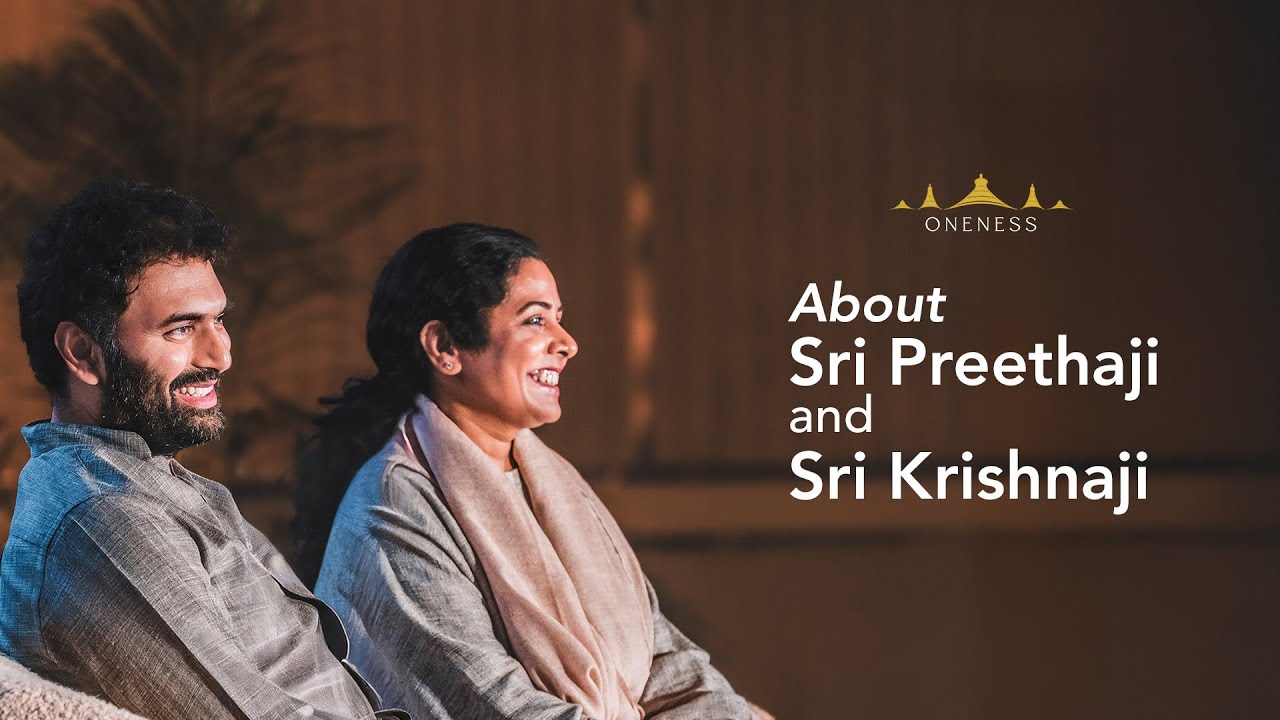
Krishnaji's assertion, "It is the power to no longer be ruled by what hurt you," invites us to explore the profound potential of forgiveness and liberation from past wounds. This statement encapsulates a journey toward emotional freedom, suggesting that true empowerment lies in our ability to transcend the pain inflicted upon us. In a world often dominated by the shadows of our experiences, recognizing this power becomes essential for personal growth and spiritual awakening.
To delve deeper, we must consider the implications of being "ruled" by our hurt. This phrase evokes a sense of bondage, where our past traumas dictate our present actions and emotional states. The stakes are high; remaining tethered to our pain can hinder our ability to live fully and authentically. Krishnaji's words challenge us to reclaim our agency, to step into a space where we are no longer defined by our suffering, but rather liberated by our capacity to forgive and move forward.
The image / the metaphor
At the heart of Krishnaji's quote lies a vivid metaphor of power and control. The imagery of being "ruled" suggests a dynamic where our past experiences exert authority over our lives, much like a monarch who dictates the terms of existence. The verb "to rule" implies an active force, one that can be dismantled or challenged. This evokes a felt sense of struggle, as we grapple with the weight of our histories while yearning for the lightness of liberation.
Delving deeper into this metaphor, we can envision the act of forgiveness as a transformative process, akin to breaking chains that bind us. It is not merely an emotional release but a conscious choice to reclaim our narrative. By choosing to forgive, we engage in a profound act of self-liberation, allowing ourselves to redefine our relationship with the past. This shift in perspective can illuminate the path toward healing, revealing that the power to transcend our hurt resides within us.
In the speaker's tradition
Krishnaji's teachings resonate deeply within the oneness-movement, which emphasizes interconnectedness and the dissolution of the ego. Concepts such as dharma, or the path of righteousness, align closely with the idea of forgiveness as a means of liberation. In this tradition, the act of letting go of past grievances is not merely a personal endeavor but a collective one, fostering harmony and unity among all beings. The notion of kenosis, or self-emptying, further complements this understanding, as it encourages individuals to release attachments to their pain in order to embrace a more expansive sense of self.
In the context of relevant texts, we can draw parallels to the Buddhist concept of sunyata, or emptiness, which teaches that clinging to our suffering only perpetuates our cycle of pain. Similarly, the Sufi notion of fana, or annihilation of the self, invites us to dissolve the barriers created by our past hurts. These teachings collectively underscore the transformative power of forgiveness, urging us to transcend our limitations and embrace a more profound sense of oneness with the universe.
Living the teaching
Consider a modern scenario where this teaching can be applied: a workplace conflict that has left lingering resentment. Imagine two colleagues who have clashed over differing opinions, resulting in a toxic atmosphere. By embracing Krishnaji's message, one can choose to forgive the other, recognizing that holding onto the hurt only perpetuates a cycle of negativity. This act of forgiveness not only liberates the individual from emotional turmoil but also paves the way for a healthier, more collaborative environment.
Another application of this teaching may arise in personal relationships, particularly during moments of deep emotional pain. Picture a situation where a loved one has betrayed your trust, leaving you feeling wounded and vulnerable. By consciously choosing to forgive, you can release the grip of that hurt, allowing for healing and growth within the relationship. This process does not negate the pain experienced but rather transforms it into an opportunity for deeper connection and understanding, ultimately fostering a more authentic bond.
A reflection
As we contemplate Krishnaji's profound insight, we are invited to reflect on our own lives: What past hurts continue to rule our thoughts and actions? In what ways can we begin to reclaim our power through the practice of forgiveness? This contemplation serves as a gentle reminder that liberation is not a distant goal but a present possibility, waiting for us to embrace it fully.