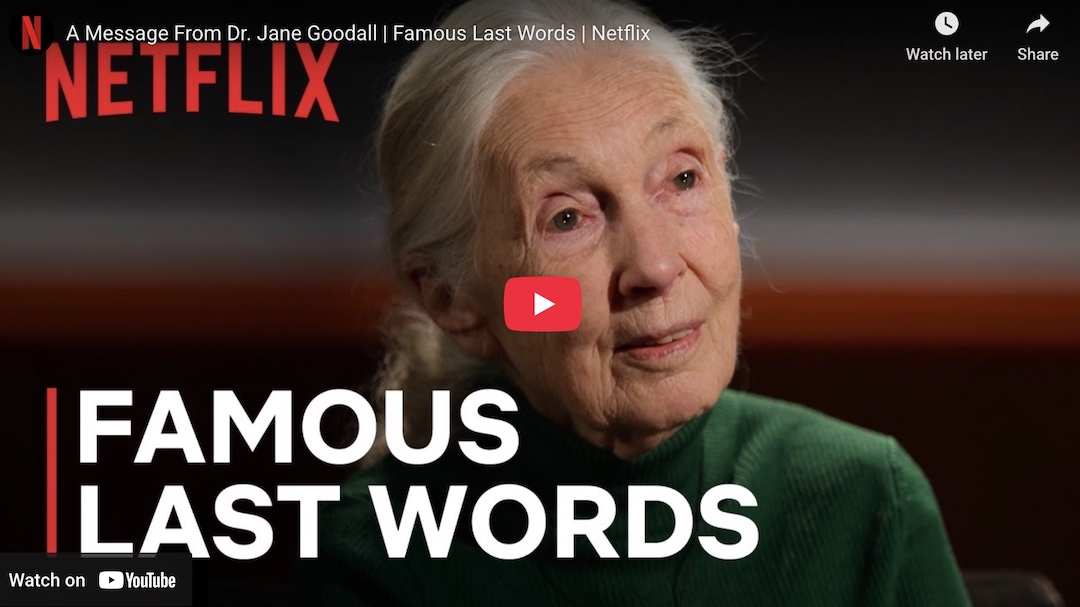
Jane Goodall's assertion, "Don't underestimate the power of one," invites us to recognize the profound influence that a single individual can wield in the world. In an age where collective movements often overshadow personal contributions, this statement serves as a poignant reminder of the significance of individual action. Each person's choices and efforts can ripple outward, creating waves of change that extend far beyond their immediate surroundings. This understanding is crucial, especially in a time when environmental and social challenges can feel insurmountable.
Goodall's words resonate deeply within the context of our interconnected world, where the actions of one can inspire many. The notion that a single voice can spark a movement or a solitary act of kindness can shift the course of events is both empowering and humbling. It challenges us to reflect on our own potential to effect change, urging us to step into our roles as active participants in the unfolding narrative of life. By embracing this perspective, we cultivate a sense of agency that can transform not only our own lives but also the lives of those around us.
The image / the metaphor
The imagery in Goodall's quote evokes a sense of quiet strength and resilience. The phrase "don't underestimate" suggests a common tendency to overlook the potential of the individual, while "the power of one" highlights the inherent capability that resides within each person. This juxtaposition creates a felt sense of urgency, as if to say that every action, no matter how small, carries weight. The verbs chosen—"underestimate" and "power"—convey a dynamic interplay between doubt and potential, inviting us to reconsider our perceptions of influence.
Diving deeper into the metaphor, we can envision the individual as a seed, capable of growth and transformation. Just as a single seed can sprout into a mighty tree, so too can one person's actions lead to significant change. This imagery encourages us to nurture our own potential and to recognize that the journey of change often begins with a single step. The metaphor of the seed also reminds us that growth takes time and patience, reinforcing the idea that even the smallest contributions can lead to profound outcomes when cultivated with care.
In the speaker's tradition
Jane Goodall's work is deeply rooted in the tradition of contemplative ecology, which emphasizes the interconnectedness of all living beings and the importance of individual responsibility in caring for the Earth. This perspective aligns with concepts such as dharma, which speaks to the duty of each individual to act in accordance with their true nature and purpose. Goodall embodies this principle through her lifelong commitment to conservation and animal welfare, demonstrating how one person's dedication can inspire collective action and awareness.
In her book "The Book of Hope," Goodall reflects on the importance of hope as a driving force for change. This resonates with the Buddhist concept of sunyata, or emptiness, which teaches that our perceptions shape our reality. By recognizing the power of one, we can shift our understanding of what is possible, embracing the idea that our individual actions contribute to a larger tapestry of existence. This interconnectedness is a central theme in contemplative ecology, reminding us that we are not isolated beings but rather integral parts of a vast, interdependent web.
Living the teaching
Consider a modern scenario where this teaching manifests: a community garden initiative led by a single individual. This person, driven by a passion for sustainable living, begins by transforming a neglected plot of land into a vibrant space for growing food. Initially, their efforts may seem small and inconsequential, but as they invite others to join in, the garden flourishes into a communal hub of connection and nourishment. This example illustrates how one person's vision and determination can galvanize a community, fostering relationships and promoting environmental stewardship.
Another application of Goodall's teaching can be found in the realm of personal relationships. Imagine a moment of conflict between friends, where one individual chooses to extend compassion and understanding rather than react defensively. This single act of kindness can shift the dynamics of the relationship, paving the way for healing and deeper connection. In daily practice, we can embody this teaching by consciously choosing to act with intention and kindness, recognizing that our individual choices have the power to influence not only our own lives but also the lives of those around us.
A reflection
As we contemplate Goodall's powerful reminder, we are invited to reflect on our own capacity for influence. What small actions can we take today that align with our values and contribute to the greater good? In recognizing the power of one, we open ourselves to the possibility of transformation, both within ourselves and in the world around us. Let this question linger in your heart as you navigate your daily life, allowing it to guide your choices and inspire your journey.