The Unnatural Weight of Negativity
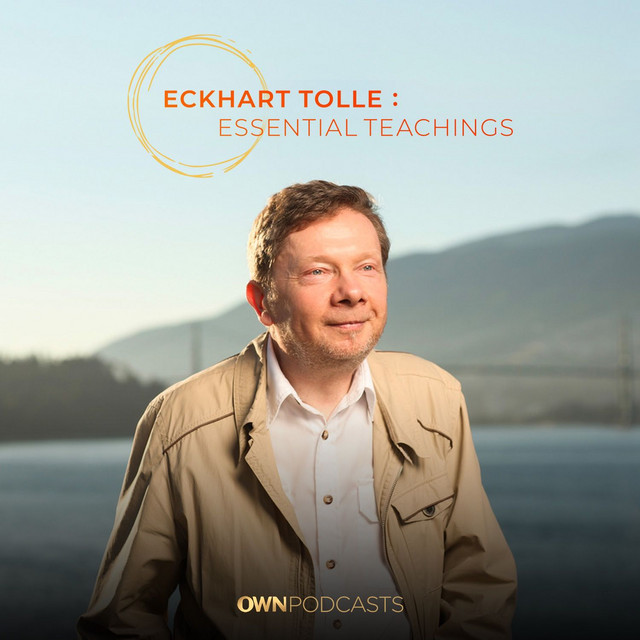
Eckhart Tolle's assertion that "negativity is totally unnatural" invites us to reconsider the very fabric of our thoughts and emotions. He describes negativity as a "psychic pollutant," suggesting that it not only clouds our perception but also distorts our innate state of being. This perspective is crucial in a world where negativity often feels pervasive, influencing our interactions, decisions, and overall well-being. By recognizing negativity as an unnatural state, we can begin to disentangle ourselves from its grip and return to a more authentic experience of life.
Understanding negativity as a psychic pollutant compels us to examine the sources of our discontent. Tolle's words resonate deeply in a contemporary context where anxiety and despair frequently overshadow moments of joy and clarity. The challenge lies not only in identifying negativity but also in cultivating awareness that allows us to rise above it. This journey toward awareness is essential, as it empowers us to reclaim our mental and emotional landscapes, fostering a more harmonious existence.
The image / the metaphor
The imagery in Tolle's quote evokes a visceral sense of contamination, suggesting that negativity seeps into our minds much like pollution infiltrates the environment. The choice of the word "psychic" indicates that this pollution is not merely external but arises from within, affecting our thoughts, emotions, and perceptions. By framing negativity as unnatural, Tolle invites us to visualize a state of being that is inherently pure and untainted, contrasting sharply with the heaviness of negative thought patterns.
Diving deeper into this metaphor, we can consider the implications of viewing negativity as a pollutant. Just as environmental pollution can lead to degradation and suffering, psychic pollution can obscure our true nature and hinder our spiritual growth. This perspective encourages us to cultivate a sense of responsibility for our inner landscape, recognizing that we have the power to cleanse our minds and hearts of negativity. In doing so, we can restore clarity and vitality to our experience of life.
In the speaker's tradition
Eckhart Tolle's teachings are rooted in the non-dual tradition, which emphasizes the interconnectedness of all existence and the illusion of separation. Concepts such as "sunyata" (emptiness) and "fana" (annihilation of the self) resonate with Tolle's assertion that negativity is an unnatural state. In this context, negativity can be seen as a manifestation of the ego, which thrives on duality and separation, perpetuating suffering and discontent. By transcending this egoic mindset, we can align ourselves with a more profound sense of unity and peace.
Living the teaching
Consider a modern scenario where Tolle's teaching on negativity can be applied: a workplace filled with stress and competition. In such an environment, negativity can manifest as gossip, criticism, and a general sense of discontent. By recognizing these patterns as psychic pollutants, individuals can choose to cultivate a more positive atmosphere through awareness and intentionality. This shift not only benefits personal well-being but also fosters a culture of collaboration and support, transforming the workplace into a space of growth and creativity.
In the realm of relationships, Tolle's insights can be particularly transformative. Imagine a moment of conflict with a loved one, where negativity threatens to escalate the situation. By applying Tolle's teaching, one can pause to recognize the natural state of love and connection that exists beneath the surface of anger or frustration. This awareness allows for a more compassionate response, creating an opportunity for healing and understanding rather than further discord. In daily practice, cultivating mindfulness can help us navigate these challenging moments, reminding us to return to our authentic selves.
A reflection
As we contemplate Tolle's assertion that negativity is a psychic pollutant, we are invited to reflect on our own experiences. What negative thought patterns or emotions do we allow to cloud our perception of reality? In recognizing these pollutants, we can begin to explore how they shape our interactions and sense of self. By engaging with this question, we open the door to deeper awareness and the possibility of transformation, paving the way for a more authentic and fulfilling existence.