Embracing the Depths of the Eternal
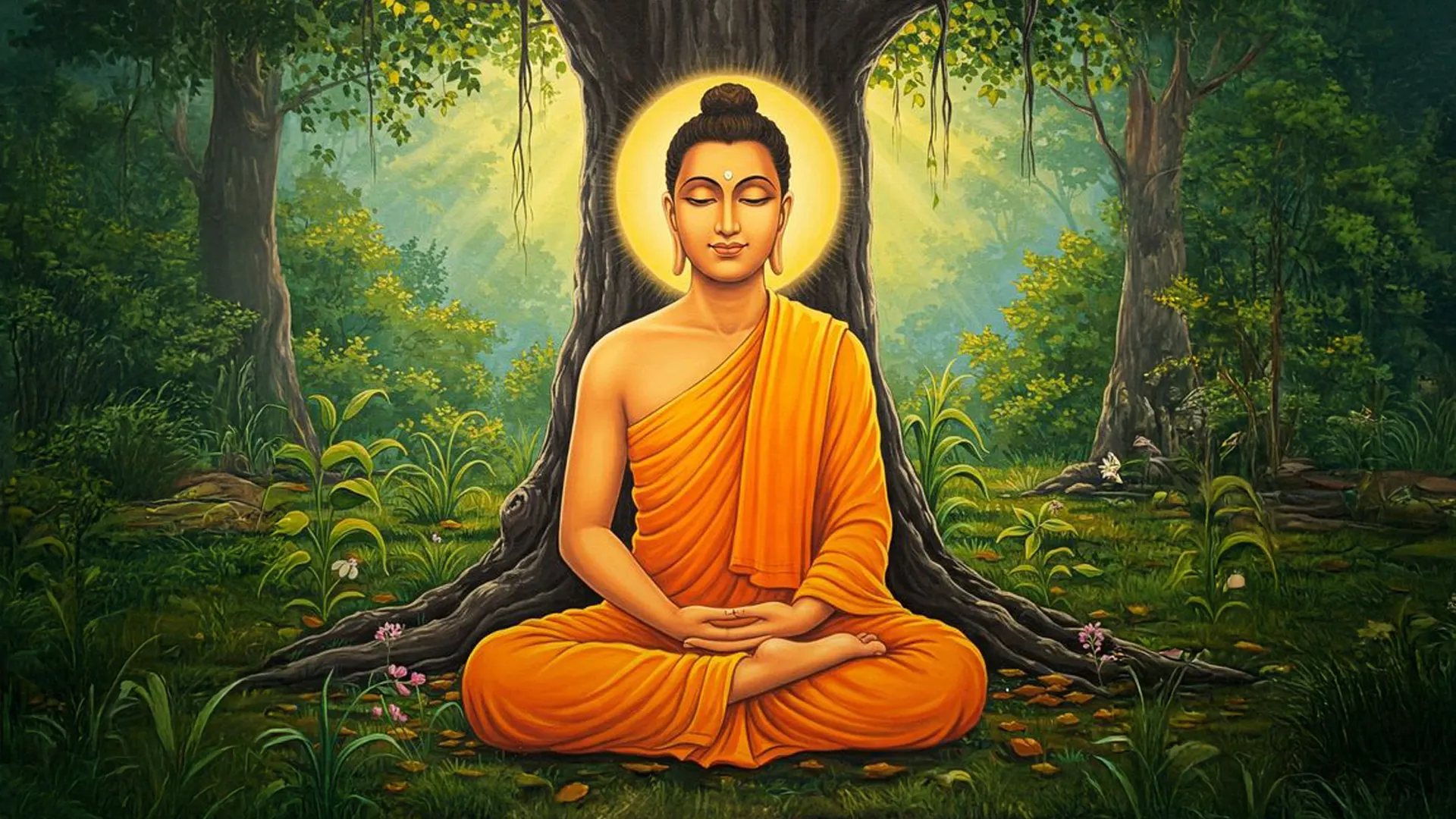
Buddha's assertion, "Him I call a Brahmana who has no desires, who, having understood the truth, doubts no longer, and who has reached the depth of the Eternal," invites us to contemplate the essence of spiritual realization. In this statement, the Buddha delineates a profound state of being—one that transcends the ordinary pursuits of desire and doubt. The stakes are high; to embody this ideal is to align oneself with the ultimate truth of existence, a journey that promises liberation from the cycles of suffering and ignorance.
As we delve deeper into this quote, we recognize that it speaks not only to the individual but also to the collective human experience. The notion of a "Brahmana," traditionally associated with wisdom and spiritual authority, is redefined here as one who has transcended the limitations of desire and doubt. This transformation is not merely an intellectual exercise but a profound shift in consciousness that connects us to the eternal, the unchanging essence of reality. Understanding this truth is a journey that requires courage, introspection, and a willingness to let go of the transient.
The image / the metaphor
The imagery within Buddha's quote evokes a sense of clarity and depth. The term "Brahmana" conjures the idea of a sage, someone who embodies wisdom and detachment. The verbs "has no desires" and "doubts no longer" suggest a state of purity and resolution, where the individual is free from the entanglements of worldly cravings and uncertainties. This state is not passive; it is an active engagement with the truth that leads to a profound understanding of existence.
Diving deeper into the metaphor, we can see that the "depth of the Eternal" signifies a profound connection to the essence of life itself. It suggests that true wisdom is not found in the accumulation of knowledge or material possessions but in the realization of our interconnectedness with all beings. This depth is akin to the stillness of a deep ocean, where the surface may be turbulent, yet beneath lies a calm and unshakeable foundation. The journey to this depth requires us to confront our desires and doubts, allowing us to emerge transformed.
In the speaker's tradition
In the Dhammapada, where this quote is sourced, we find numerous verses that echo this sentiment. For instance, the text emphasizes the importance of mindfulness and the cultivation of wisdom as pathways to liberation. The Buddha often spoke of the "Middle Way," a path that avoids the extremes of indulgence and asceticism, guiding practitioners toward a balanced and awakened state of being. This holistic approach underscores the necessity of understanding and embodying the truth to transcend the limitations of the self.
Living the teaching
Consider a modern scenario where this teaching resonates: an individual grappling with the relentless pursuit of success in their career. The desire for recognition and achievement can lead to a cycle of stress and dissatisfaction. By reflecting on Buddha's words, this person may begin to recognize that true fulfillment lies not in external validation but in the understanding of their own intrinsic worth and the interconnectedness of all beings. This realization can serve as a catalyst for a shift in priorities, leading to a more meaningful and balanced life.
In the realm of relationships, the application of this teaching can be equally transformative. Imagine a couple facing conflict rooted in jealousy and insecurity. By embodying the essence of the quote, they can learn to let go of their desires for control and validation, fostering a deeper connection based on trust and understanding. This shift not only alleviates tension but also opens the door to a more profound love that transcends the superficialities of desire, allowing both partners to experience the depth of the eternal bond they share.
A reflection
As we contemplate Buddha's profound insight, we are invited to ask ourselves: What desires and doubts are holding me back from experiencing the depth of my own existence? This question encourages us to engage in a process of introspection, examining the layers of our motivations and beliefs. In this exploration, we may find the keys to unlock a more authentic and liberated way of being, one that aligns with the eternal truths that the Buddha so eloquently articulated.