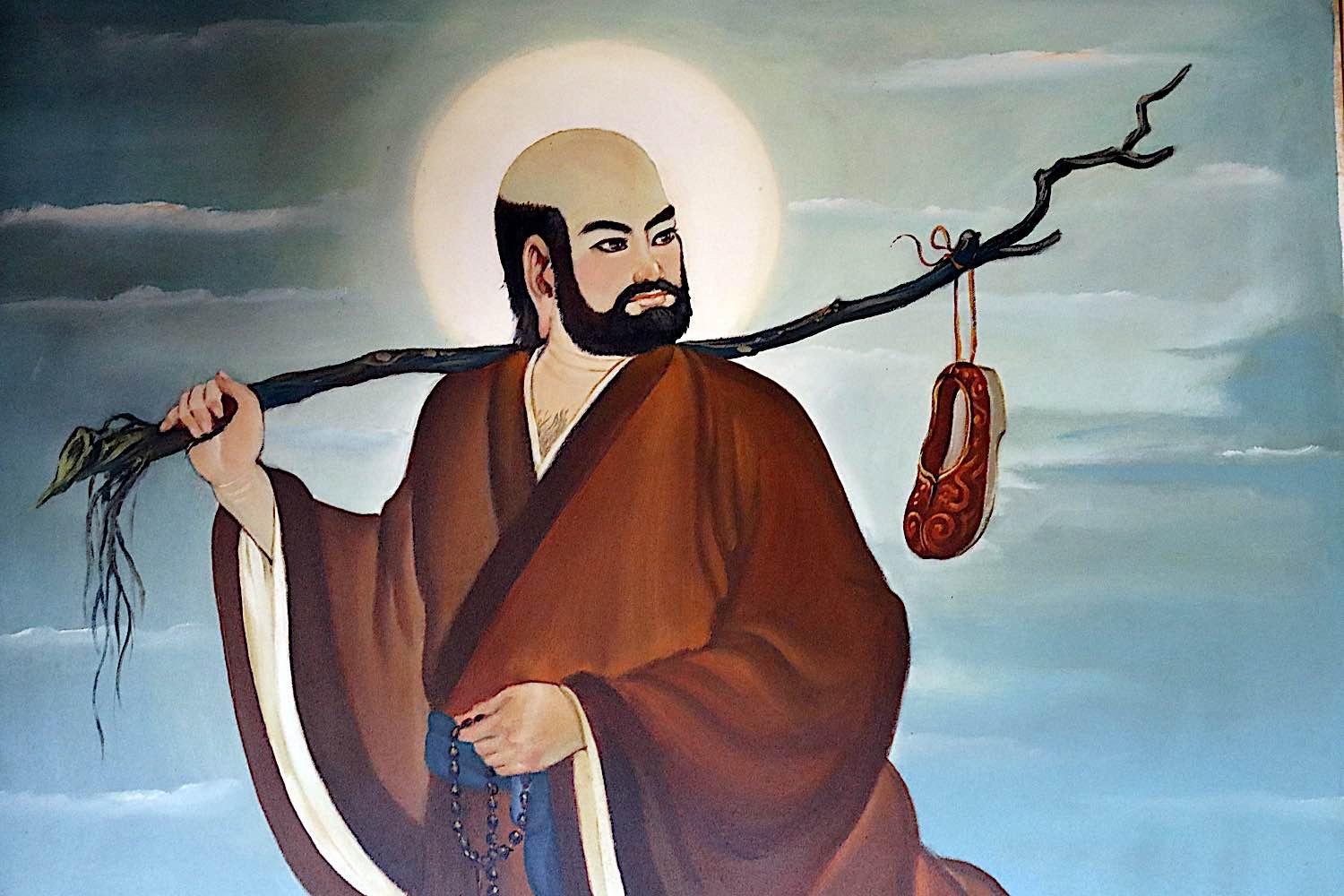
Bodhidharma's assertion that "in the practice of zazen, posture is everything and posture is nothing" invites us to explore the intricate dance between form and formlessness. At first glance, this statement seems contradictory, yet it encapsulates a profound truth about the nature of practice and existence. The stakes of this teaching are high; it challenges us to reconsider our relationship with the physical and the spiritual, urging us to find balance in the duality of our experiences.
As we delve deeper into this paradox, we begin to recognize that the essence of zazen—sitting meditation—transcends mere physical posture. It beckons us to engage with our inner landscape while simultaneously letting go of attachment to form. This duality is not merely a philosophical exercise; it is a lived experience that can transform our understanding of mindfulness and presence. In this exploration, we are invited to embrace both the discipline of posture and the liberation found in its relinquishment.
The image / the metaphor
The imagery of posture in Bodhidharma's quote evokes a sense of grounding and stability, essential qualities in the practice of zazen. The act of sitting, with a straight spine and relaxed shoulders, symbolizes our commitment to being present in the moment. Yet, the phrase "posture is nothing" reminds us that the physical form is ultimately transient and impermanent. This juxtaposition creates a felt sense of tension, where the practitioner must navigate the delicate balance between the importance of physical alignment and the understanding that true essence lies beyond the physical.
Diving deeper into this metaphor, we can see that posture serves as a gateway to deeper awareness. It is through the cultivation of a mindful posture that we can access the stillness of the mind and the spaciousness of the heart. However, as we become more attuned to this stillness, we realize that the posture itself is not the goal; rather, it is a tool that facilitates our journey inward. This realization invites us to let go of rigid expectations and embrace the fluidity of our practice.
In the speaker's tradition
Bodhidharma, the legendary figure credited with bringing Zen Buddhism to China, emphasizes the importance of direct experience over theoretical knowledge. In the context of his teachings, the concepts of dharma and sunyata (emptiness) resonate deeply with the paradox of posture. The practice of zazen is not merely about achieving a perfect sitting position; it is about embodying the essence of the dharma, which teaches us that all forms are ultimately empty and interconnected. This understanding invites us to explore the nature of our existence beyond the confines of our physical bodies.
In his seminal work, "Outline of Practice," Bodhidharma articulates the necessity of both discipline and insight in the practice of zazen. He encourages practitioners to cultivate prajna, or wisdom, which arises from the direct experience of reality. This wisdom allows us to see through the illusion of separateness and recognize that while posture may be essential for practice, it is ultimately a fleeting manifestation of a deeper truth. The teachings of Zen invite us to embrace this paradox, guiding us toward a more profound understanding of ourselves and our place in the universe.
Living the teaching
Consider a modern scenario where the teaching of Bodhidharma's quote can be applied: a busy professional navigating the demands of work and personal life. In the midst of deadlines and responsibilities, one might find solace in the practice of zazen, using the physical act of sitting to cultivate mindfulness and presence. However, as one becomes more attuned to the practice, the realization dawns that the true essence of zazen transcends the physical act of sitting. It is in the moments of stillness and awareness that the practitioner discovers a deeper sense of connection to themselves and the world around them.
Another application of this teaching can be found in interpersonal relationships. Imagine a moment of conflict with a loved one, where emotions run high and communication falters. In such instances, the practice of zazen can serve as a reminder to ground oneself in posture—both physically and emotionally. By embodying a calm and open demeanor, one can create space for understanding and compassion. Yet, as the conflict unfolds, it becomes clear that the rigid adherence to one's position is less important than the willingness to listen and connect. Here, the paradox of posture reveals itself once more: while our physical presence matters, it is the openness of our hearts that ultimately fosters healing and connection.
A reflection
As we contemplate Bodhidharma's profound teaching, we are left with a contemplative question: How can we embrace the paradox of posture in our own lives, recognizing the importance of form while remaining open to the formlessness that lies beyond? This inquiry invites us to explore our relationship with practice, presence, and the ever-shifting nature of our experiences. In this exploration, may we find the balance that allows us to engage fully with the world while remaining rooted in the deeper truths of our being.
