




What is Shadow Yoga?
Shadow Yoga is a system of hatha yoga taught and systematized by the Hungarian-born, Australia-based teacher Shandor Remete (also written Zhander Remete). It consists of graded sequences of postures and flowing movement, with breathing, bandha (internal locks), and meditative concentration. It is known for its martial-arts-like footwork, its use of the whole body in coordinated spirals and lines, and its emphasis on strength and tendon health. Some students and critics describe it as closer to a movement art than to the posture-holding styles of modern studio yoga.
The word “shadow” does not refer to the psychological shadow in Carl Jung’s analytical psychology. It refers to the Sanskrit term chāyā (shadow or reflection). In Remete’s framing, the practitioner’s movement reflects the movement of natural and cosmic forces. People searching for the shadow yoga meaning should note this difference, because “shadow work” in therapeutic contexts is a different subject.
Origins & lineage
Shadow Yoga emerged publicly in the late twentieth and early twenty-first centuries through the teaching of Shandor Remete. He began teaching in Australia, then in Europe and North America. Remete presents the system as a revival of an older Indian practice. He links it to Shaiva-influenced hatha yoga, to the cosmic dance imagery of Shiva as Nataraja, and to South Indian martial and physical culture, including traditions related to Kalaripayattu.
The historical status of those claims is debated. The documented, verifiable lineage is Remete’s own teaching and the senior students he certified. The older sources he draws on are not documented in the way the lineage of, say, the Krishnamacharya school is (see tirumalai-krishnamacharya). Scholars of modern postural yoga, such as Mark Singleton in Yoga Body (2010), have shown that many present-day yoga systems blend older Indian practices with twentieth-century gymnastics and physical culture. Shadow Yoga should be understood in that context: a modern synthesis that claims, but cannot independently demonstrate, a continuous older source. Remete has written on the system’s principles, including books published under the Shadow Yoga name.
How it’s practiced
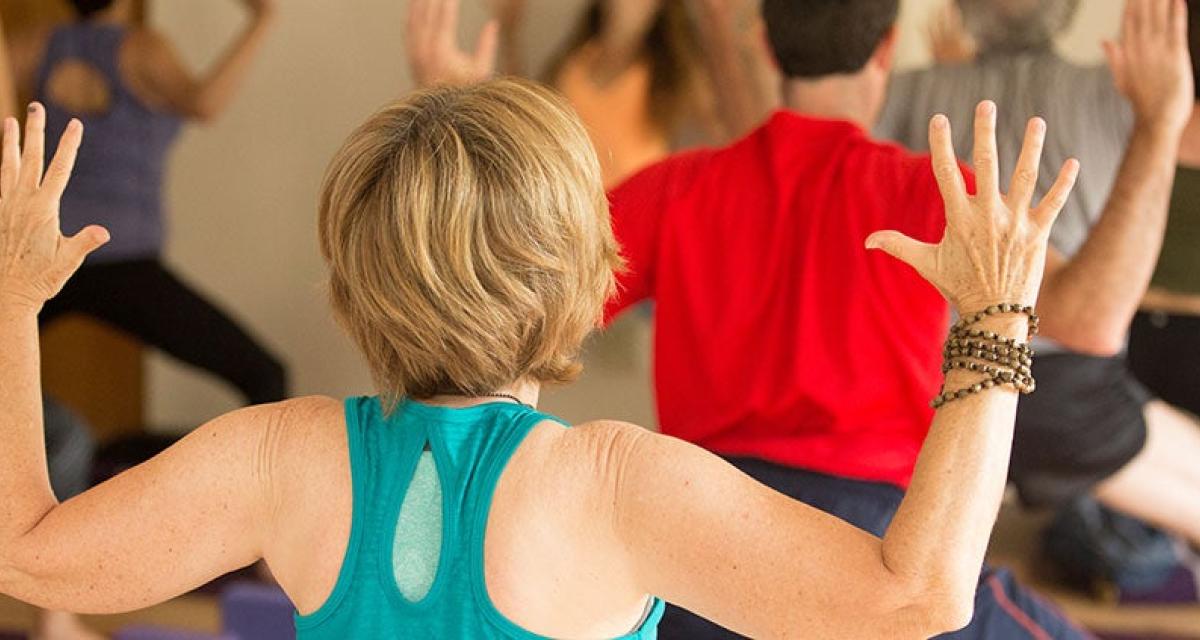
Practice is organized into a progression of forms, beginning with a foundational Preparation sequence and moving to more demanding sequences. Students learn each form by repetition, often under direct instruction. A session typically combines:
- Standing and moving sequences with deep lunges, spiraling arms and torso, and shifts of weight
- Slow, sustained transitions rather than static holds
- Coordinated breath, with attention to the pelvic floor and abdominal support
- Seated work, breath regulation (pranayama), and concentration practices
Practitioners often report a feeling of heat, muscular work in the legs and hips, and a meditative absorption in the sequence itself. The method asks for a high degree of precision and rewards regular practice over time.
Shadow Yoga today
Shadow Yoga is taught through workshops, intensive retreats, teacher trainings, and a small network of certified teachers in Australia, Europe, and North America. There are instructional books and video material by Remete. Because the system is taught in sequence, most teachers expect students to learn the early forms before moving to later ones, and class availability varies widely by region. Online introductions exist, but the method is generally learned in person.
Common misconceptions
- It is not Jungian shadow work. It does not aim to explore repressed psychological material, though some practitioners find the practice introspective.
- It is not a gentle or restorative style. Early forms are physically demanding, though they can be adapted.
- It is not a recognized traditional lineage with an independently documented chain of transmission. The older-origin claims are the teacher’s account and are debated.
- It is not the same as Ashtanga Vinyasa or Iyengar Yoga, although it shares vocabulary such as asana, bandha, and pranayama with them.
- It is not a religion. It uses Shaiva-influenced imagery, but practice is physical and meditative.
How to begin
For shadow yoga for beginners, the most practical route is to find a certified Shadow Yoga teacher or a workshop that teaches the Preparation sequence. Learning the first form directly from a teacher is considered important because the movements are subtle and hard to correct alone. Remete’s own books on the system can supplement that study but are not a substitute. Students without prior experience may find it useful to build basic hatha yoga familiarity first, for example through iyengaryoga-for-beginners, and to read the yoga-sutras-patanjali and hatha-yoga-pradipika for the wider textual context of the practice.