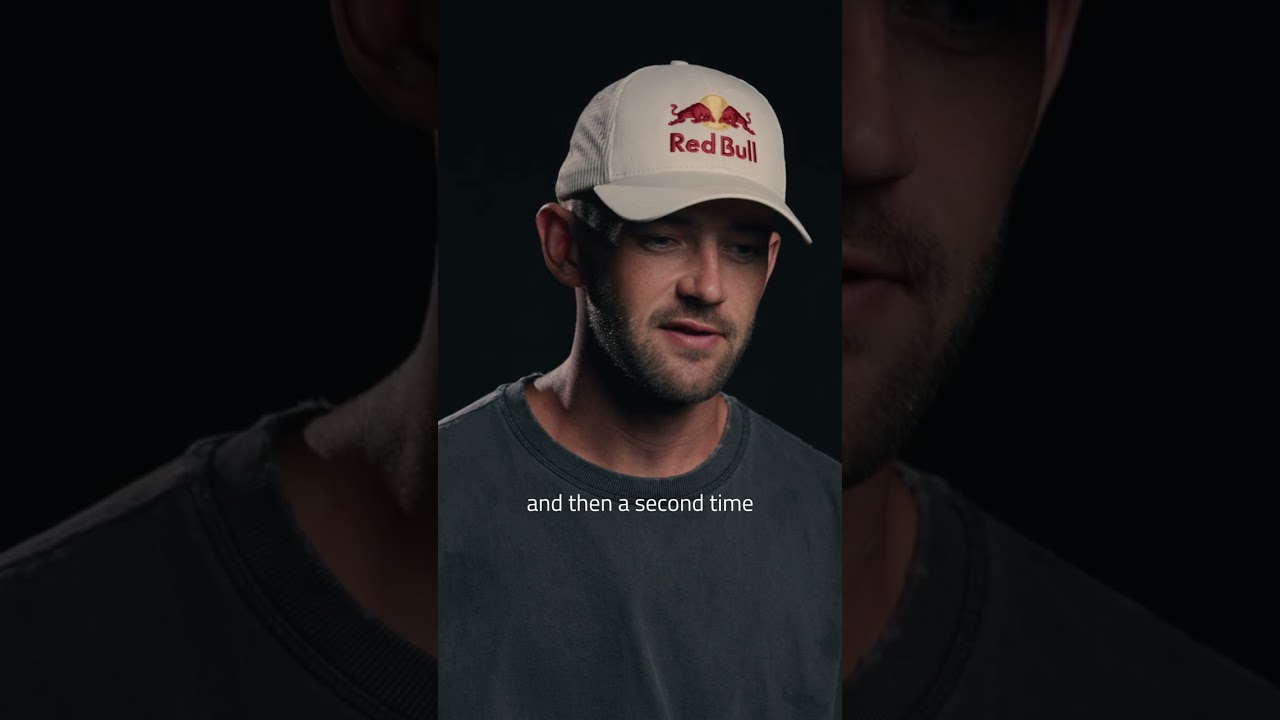
The Mainova IRONMAN Frankfurt European Championship is not just another race; it’s a battleground featuring some of the most elite triathletes in the world. This year’s edition promises to be a spectacle, with top contenders like Kristian Blummenfelt and Gustav Iden ready to push the limits of endurance sports. As we go behind the scenes with these athletes, we get an insightful glimpse into their preparation, strategy, and the mental fortitude required to compete at this level. This article will delve into the key takeaways from the event, the athletes’ training regimes, and what spectators can expect from this thrilling competition.
The Mainova IRONMAN Frankfurt is renowned for its competitive atmosphere, and this year’s lineup is particularly impressive. Athletes like Kristian Blummenfelt and Gustav Iden represent the pinnacle of endurance sports, showcasing a blend of speed, strength, and strategy. Blummenfelt, the reigning Olympic champion, is known for his explosive cycling and running capabilities, consistently pushing the pace during critical segments of the race. Iden, on the other hand, is a master of endurance, often displaying remarkable stamina that allows him to finish strong in the marathon leg.
Other formidable competitors include Magnus Ditlev and Patrick Lange, both of whom have made a name for themselves in the triathlon community. Ditlev’s unique approach to training, focusing on power output and heart rate zones, has contributed to his impressive performances. Lange, a two-time IRONMAN World Champion, brings invaluable experience and resilience, making him a fierce contender in any race. With several athletes capable of setting personal records, spectators can anticipate a thrilling showdown.
The sheer depth of talent in the men’s professional field at Frankfurt elevates the stakes, making every transition and split time crucial. Athletes will not only compete against each other but also against the clock, as they strive to achieve personal bests on a challenging course that demands both physical and mental prowess. This race is a reminder of the relentless spirit in endurance sports, where the right mindset can make all the difference.
Preparation for an event of this magnitude goes far beyond just physical training; it involves meticulous planning and mental readiness. In the latest episode of “A Fighting Chance,” viewers are taken behind the scenes to witness how these elite athletes gear up for the event. This includes everything from race strategy discussions to final tweaks on gear and nutrition plans. Each athlete approaches their prep uniquely, emphasizing the importance of customized strategies in endurance racing.
Nutrition plays a pivotal role in an athlete’s preparation. Many competitors, including Magnus Ditlev, emphasize the importance of a tailored diet leading up to the race. This often includes carbohydrate loading in the days prior to the event, ensuring glycogen stores are maximized. Specific amounts can vary, but athletes often aim for 8-10 grams of carbohydrates per kilogram of body weight. This meticulous attention to detail in nutrition can be a game-changer when competing in a grueling IRONMAN.
Mental preparation is equally vital. Athletes like Kristian Blummenfelt often engage in visualization techniques, imagining themselves achieving their goals during the race. This mental rehearsal helps to build confidence and reduces anxiety. The combination of physical training, strategic nutrition, and mental readiness creates a holistic approach to preparation that is essential for success at the IRONMAN level.
The Mainova IRONMAN Frankfurt course presents a unique set of challenges that test the limits of even the most seasoned triathletes. The race begins with a swim in the Main River, known for its swift currents and variable temperature conditions. Athletes must adapt quickly, employing specific tactics to navigate the water effectively. Utilizing sighting techniques and drafting where permissible can significantly impact swim times, making this a critical leg of the race.
Following the swim, the cycling segment features a demanding, hilly route that requires not only strength but also tactical acumen. Competitors like Patrick Lange often focus on maintaining a steady power output, typically around 70-75% of their Functional Threshold Power, to conserve energy for the marathon. Proper pacing during this leg is crucial, as it sets the tone for the final run. Athletes must balance speed with endurance, ensuring they don’t deplete their reserves too early.
Finally, the marathon leg tests both physical and mental endurance. The course in Frankfurt is known for its crowd support and scenic views, which can be both motivating and distracting. Athletes often employ specific running strategies, such as interval training, to prepare for the varying paces required throughout the marathon. For elite athletes, maintaining a pace of 4:00-4:30 per kilometer is often necessary to remain competitive, demanding exceptional stamina and mental resilience.
Race day is the culmination of countless hours of preparation, and execution is key. Athletes must adapt to the day’s conditions, which can include weather changes and varying crowd dynamics. This year, with the forecast in Frankfurt indicating potential heat, hydration strategies become even more critical. Competitors should aim to consume around 500-750ml of fluid per hour, balancing electrolytes with water to avoid dehydration.
During the race, athletes like Gustav Iden often rely on their support teams to provide timely nutritional supplements. Many opt for energy gels, which can deliver around 30-60 grams of carbohydrates per hour during the cycling and running segments. This constant influx of energy is crucial for maintaining performance, especially when fatigue sets in during the later stages of the marathon.
Adaptation is a recurring theme on race day. Athletes must be prepared to adjust their strategies based on how they feel and the unfolding dynamics of the race. For instance, if an athlete feels particularly strong during the cycling segment, they may push harder to create a lead, whereas if they sense fatigue, they might dial it back to conserve energy for the run. The ability to read the race and make split-second decisions is what often separates the podium finishers from the rest.
Recovery after an intense competition like the Mainova IRONMAN Frankfurt is as critical as the training leading up to it. Athletes must prioritize not just physical recovery but also mental decompression. Proper nutrition immediately post-race is essential; many athletes, including those featured in the video, focus on consuming a recovery meal rich in proteins and carbohydrates within 30 minutes of crossing the finish line to kickstart the recovery process.
Active recovery techniques, such as light jogging or cycling, can help flush out lactic acid and promote circulation in the days following the event. Stretching and mobility work also play an important role in preventing stiffness and maintaining flexibility. Athletes should aim to engage in these activities gradually, allowing their bodies to heal while still staying active.
Mental recovery is equally important. After the adrenaline of race day subsides, athletes often reflect on their performance, analyzing what went well and what could be improved. This self-assessment is vital for growth and development in endurance sports. Setting new goals based on the insights gained can motivate athletes as they look ahead to future competitions.
In the world of endurance sports, technology has become an invaluable ally for athletes preparing for competitions like the Mainova IRONMAN Frankfurt. Devices such as GPS watches and power meters provide critical data that can help athletes fine-tune their training. For instance, power meters help cyclists maintain optimal power zones, allowing for efficient training that translates into better performance on race day.
Additionally, training apps and platforms enable athletes to track their progress over time, offering insights into their pacing, heart rate, and recovery metrics. These tools allow for personalized training plans, making it easier for athletes to adjust their workouts based on their individual needs. Athletes like Magnus Ditlev utilize this data to identify strengths and weaknesses, optimizing their training for peak performance.
Moreover, advancements in nutrition technology, such as electrolyte testing and customized fueling strategies, help athletes maintain optimal hydration and energy levels during training and racing. These innovations are essential for ensuring that athletes can withstand the rigors of competition and achieve their personal bests. Embracing technology not only enhances performance but also contributes to the overall longevity of an athlete’s career in the demanding world of endurance sports.
The atmosphere at the Mainova IRONMAN Frankfurt is amplified by the vibrant support from fans, friends, and family. This community aspect is crucial in endurance sports, where the mental challenge is as significant as the physical one. Spectators line the course, providing cheers and motivation that can propel athletes through the toughest moments of the race. The energy from the crowd can be a game-changer, particularly in the marathon segment when fatigue sets in.
Social media also plays a vital role in fan engagement. Athletes often share their journeys leading up to the race, allowing followers to connect with their experiences. This transparency helps to build a community of support, where fans feel invested in the athletes’ successes and challenges. Platforms like Instagram and TikTok provide a space for real-time updates, fostering an interactive environment that enhances the overall race experience.
Moreover, post-race celebrations and gatherings promote camaraderie among participants. Athletes often share stories and experiences, creating bonds that extend beyond the race. Engaging with fellow competitors and fans fosters a sense of belonging within the endurance sports community, reminding everyone that while the competition is fierce, the spirit of support and encouragement is what truly defines these events.
Watch the complete video above for the full breakdown. For more endurance content, explore our latest articles, browse upcoming events, or discover athlete profiles on EnduranceFinder.