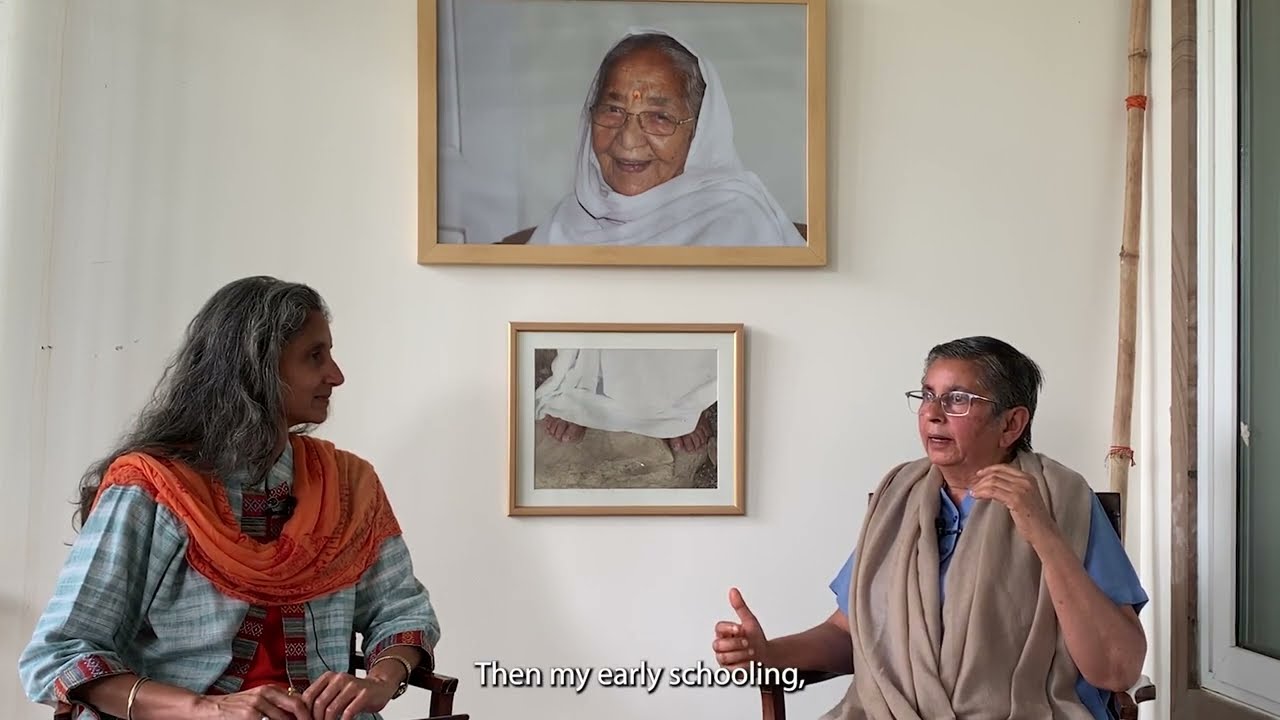
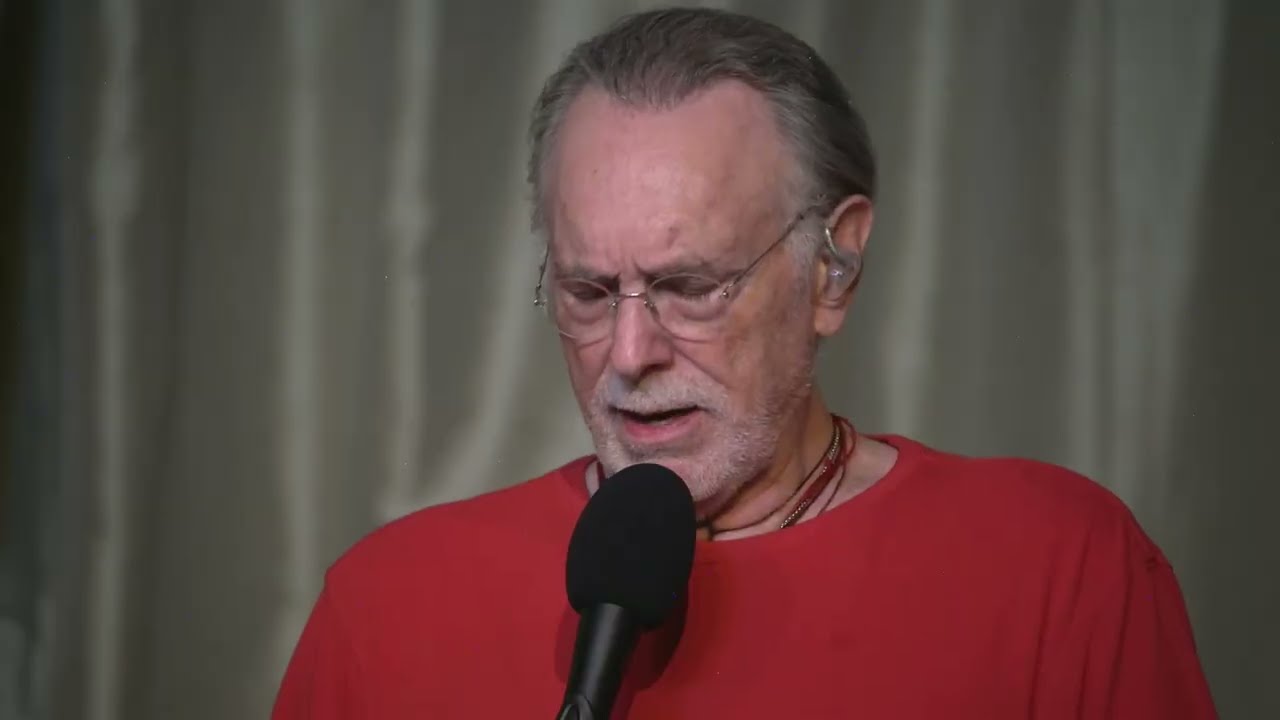
On the banks of the Ganges, in the foothills where devotional practice has thrived for centuries, Nina Rao is bringing the kirtan tradition home to India this October and November. The sacred chanting practice—rooted in Hindu and yogic spirituality but practiced now across the globe by seekers of all backgrounds—marks a full-circle moment for an artist who has spent years building a contemporary kirtan community in the West.
What Is Kirtan and Why Does It Matter?
Kirtan is call-and-response devotional singing, a practice woven through Hindu and yogic traditions for millennia. The form relies on repetition of sacred names and mantras—typically those of Krishna and Ram—set to rhythmic, melodic patterns. Unlike meditation in silence, kirtan is participatory: the lead singer (or singers) offer a phrase, the community responds, and within that exchange, a kind of collective consciousness can emerge. The repetition itself becomes a vehicle for deeper presence and spiritual opening.
For practitioners today, kirtan serves as a bridge between ancient wisdom and modern life. It requires no belief system, no prior musical training. You show up, you listen, you join in. The rhythm and melody carry you; the meaning unfolds through the names themselves—invocations of divine qualities embedded in Sanskrit sound.
Nina Rao's Journey to India
Nina Rao has built a devoted practice community in the United States, offering regular kirtan gatherings and workshops that blend traditional chanting with contemporary accompaniment. Her work reflects the evolution of kirtan in Western spaces: rooted in authentic lineage but shaped by the sensibilities and needs of modern practitioners. The Hare Krishna maha-mantra—Hare Krishna, Hare Krishna, Krishna Krishna, Hare Hare / Hare Rama, Hare Rama, Rama Rama, Hare Hare—remains the anchor, but the arrangements, the teaching context, and the integration with other yogic or therapeutic modalities create a living, breathing practice.
Now, bringing that work back to India represents both a homecoming and a statement: that the diaspora's adaptation of these practices has validity, that East and West can meet in genuine spiritual work, and that the ancient chants still hold power in their place of origin.
The India Tour 2026: Dates, Places, and Purpose
Nina Rao's India itinerary centers on two major cities and a sacred pilgrimage site:
- October 19, Rishikesh: A kirtan gathering in benefit of tigers—linking spiritual practice to environmental and wildlife conservation.
- November 5, Bengaluru: A two-part day beginning at 3 p.m. with the "Sound of the Goddess" workshop, co-led with Neha Bhat (ABT, ATR), a sex therapist and author. This pairing is intentional: it places kirtan in dialogue with somatic and embodied practices, recognizing that sacred sound touches the body and the nervous system, not just the mind.
- November 5, Bengaluru (evening): A kirtan gathering, also in benefit of tigers, accompanied by musicians Keli Lalita and Kedarnath Havaldar.
The emphasis on tiger conservation signals something important: Nina Rao's practice is not purely transcendent. It engages real-world concerns. Tigers are sacred in Hindu mythology—they carry the energy of Durga, the divine mother—and they are endangered. Holding kirtan in their benefit weaves that duality: the chanting as spiritual technology and as activist response.
Accompanying Musicians and the Collective Sound
The presence of Keli Lalita and Kedarnath Havaldar in the Bengaluru gathering speaks to another tradition: kirtan as an ensemble art. While the lead voice sets the melody and calls the responses, the accompaniment—typically harmonium, tabla, and melodic instruments like sitar or sarangi—shapes the sonic container. Kedarnath Havaldar, a skilled tabla player, and Keli Lalita bring their own lineage and sensibility to the sound. The kirtan becomes not a solo performance but a collaborative weaving of musician and community.
Sound of the Goddess: Sacred Feminine and Somatic Practice
The workshop pairing kirtan with Neha Bhat's work reflects a contemporary approach to sacred practice: the recognition that sound, sexuality, embodiment, and spirituality are not separate domains. The Goddess in Hindu philosophy is not remote or abstract; she is Shakti, the dynamic feminine energy present in the body, in desire, in the earth itself. A workshop titled "Sound of the Goddess" that includes both chanting and conversation with a sex therapist and author acknowledges this integration explicitly.
This also signals how kirtan practice in contemporary contexts is expanding beyond the purely devotional into the therapeutic and somatic. Participants may come seeking spiritual opening; they may also come seeking healing, nervous system regulation, or permission to integrate their sexuality with their spiritual path. Kirtan offers a container for all of this.
The Broader India Kirtan Scene
Nina Rao is not alone in bringing this work to India. Krishna Das, the American kirtan artist and longtime student of the great chant master Neem Karoli Baba, is also touring India concurrently, with dates in Rishikesh (October 17–18), Delhi (October 23), Mumbai (October 25), Pune (October 30), Ahmedabad (November 1), and Bengaluru (November 4). Krishna Das's presence—and his deep roots in the lineage of Neem Karoli Baba, whose ashram in Kainchi, Uttarakhand, remains a pilgrimage site—speaks to the legitimacy and spiritual weight of this work. When Western practitioners of kirtan return to India, they return not as tourists but as practitioners in a living lineage.
Registration and Community Building
Both artists are directing participants to their respective websites for details and registration: NinaRaoChant.com and KrishnaDas.com. This practical infrastructure—event pages, clear logistics, professional presentation—is itself part of how kirtan has evolved. The practice is ancient; the mechanisms of gathering are contemporary. A kirtan in 2026 requires not just musicians and voices but also digital platforms, ticket systems, and accessibility information.
Why This Moment Matters
As the West engages more consciously with yogic and Hindu practices, questions of appropriation, authenticity, and lineage have intensified. Nina Rao's return to India with her community practice is one answer: not appropriation but reciprocal exchange, rooted in genuine study and respect. The chants are offered in their place of origin, in partnership with Indian musicians and teachers, and in service to causes that matter in India itself.
The Hare Krishna maha-mantra, repeated thousands of times in millions of voices over centuries, has a living power. Whether chanted in Rishikesh or Brooklyn, it carries the same frequency—the same invocation of divine names, the same rhythmic structure, the same capacity to quiet the mind and open the heart. What changes is the context, the community, the intention. And in that change lies the vitality of a practice that is neither frozen in the past nor severed from its roots.
Where to go from here
If you're drawn to kirtan practice, whether you're in India or elsewhere, seek out local chanting communities or explore recordings. If you're in India this fall and able to travel to Rishikesh or Bengaluru, both Nina Rao and Krishna Das offer opportunities to sit in the current of an ancient practice with contemporary guides. The benefit kirtans supporting tiger conservation also offer a way to participate spiritually while contributing to environmental protection. For those interested in the intersection of kirtan, embodiment, and sexuality, the "Sound of the Goddess" workshop represents a rare opportunity to explore these dimensions together with experienced teachers. All details and registration information are available on the artists' websites linked above.