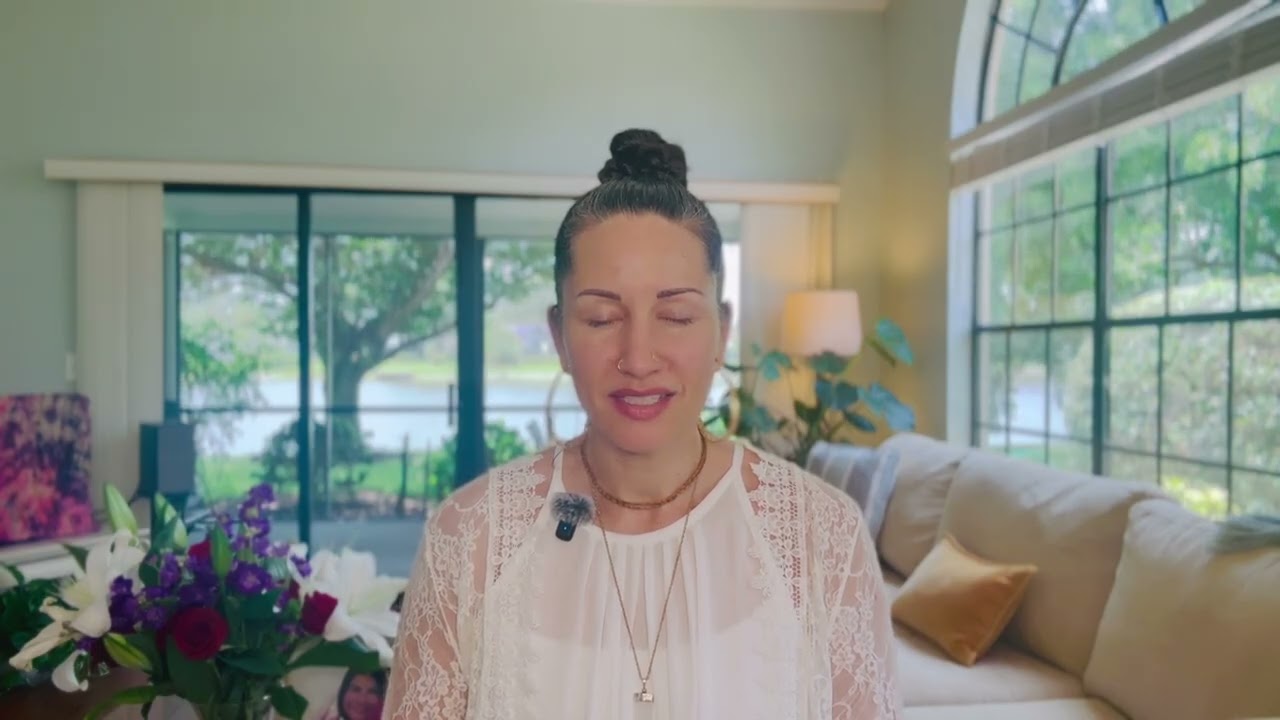
Liza Colpa's 22-minute "End of Day Sound Bath Meditation," published on her YouTube channel in November 2023, is a listening practice built for the hour after work, when the mind is still running through the day's unfinished business. Its material is simple: the resonance of crystal singing bowls layered over nature sounds, offered without a story, a teaching, or a demand that you do anything except listen. The video's listing says it runs twenty minutes, although the file itself is closer to twenty-two and a half. That small gap is a fair place to start, because the practice asks for less precision than the numbers suggest. What it asks for is a quiet room, headphones, and the willingness to let sound do the work.
Picture a weeknight, around nine-thirty. The laptop has been open since morning, the dishes are half-done, and a list of tomorrow's tasks is looping somewhere behind the eyes. You find a chair, or the edge of the bed, put on headphones, and press play. The first thing you notice is that the bowls do not arrive all at once. A single tone hangs in the air, then another joins it, and the edges of each note are slow to fade. The nature sounds sit underneath, not on top, so the bowls feel like they are being played in a room rather than through a speaker. Within a few minutes the thoughts on the list have not disappeared, but they have stopped demanding attention.
That shift, from managing thoughts to simply hearing them pass, is the quiet aim of most sound-based meditation, and this session is organized around it. Nothing in the video tells you to think about anything in particular. The sound moves, and you move with it or don't.
The timing is part of the design, and the video's own description makes the intent explicit. It calls the session "a transformative journey to unwind, release stress, and rejuvenate your mind, body, and spirit." The phrase that matters most is unwind. Evening is when the body is supposed to downshift, but many people carry the day's tension into bed and wonder why sleep feels shallow. An end-of-day practice gives that transition a boundary: a fixed point where the workday is formally over and the body is invited to follow.
The description lists five outcomes it hopes the session supports: stress relief, improved sleep, enhanced clarity and focus, emotional balance, and increased mindfulness. These are promises as the listing frames them, not findings the video itself documents, and it is worth holding them lightly. Still, they describe a sensible arc. Stress relief and sleep are what people usually reach for at night. Clarity, balance, and mindfulness are what they often notice afterward, in the morning, when the same thoughts feel smaller.
The instructions in the description are short, and they are the right instructions. Find a comfortable space. Grab headphones. Close your eyes. Breathe deeply. Then let the harmonious frequencies "wash away the tensions of the day." Each of these steps does something specific.
- Choose a comfortable position. Sound baths are often done lying down, but a seated posture works if you are likely to drift off in the first few minutes. The aim is to be physically supported so that attention can go to the ears.
- Use headphones. Crystal bowls carry a lot of fine overtone. Speakers in a room mix them with the room's own reflections; headphones let the tones reach you more directly, which is closer to how the sound was recorded and meant to be heard.
- Close your eyes. Removing visual input shifts attention inward and makes the sound the main thing to notice. It also reduces the temptation to check the phone or look for the next task.
- Breathe deeply, then stop managing your breath. Deep breathing at the start settles the body. After that, let the breath return to its own rhythm while the bowls and nature sounds keep playing.
The practice does not require any prior experience. The description says the session is "designed to cater to all levels," and that is accurate to its structure: there is no technique to master, only attention to return to when it wanders.
Crystal singing bowls are played by running a wet finger around the rim or striking the bowl gently, producing a sustained tone that can linger for a long time. The sound is more textured than a bell and softer than a gong, with a shimmer that many listeners describe as a kind of hum that fills the room. In a sound bath, that sustain is the point. A single bowl tone can hold for long enough that the mind has nothing to do but follow it, and the next tone arriving before the first has fully faded creates a layered field rather than a melody.
Pairing the bowls with nature sounds changes the texture again. Water, wind, or birdsong give the ear a second kind of attention, one that feels familiar and organic. The two together create what the description calls "waves of sound," a term that suits the way the tones rise and recede. Listen for how the bowls and the environment interact: a bowl will sometimes seem to answer a background sound, and that call-and-response can be the most absorbing part of the session.
An honest reader should notice something odd about this listing. Alongside the sound bath description, the page includes links to a tarot deck and to other decks on a shopping list, and a closing note refers to "this reading," to "the messages," and to applying them "to your unique situation." That language belongs to a tarot video, not a sound session. It looks like text carried over from a different upload.
That mismatch does not make the sound bath less useful, but it is a reason to be clear about what you are pressing play on. The audio itself, as described, is a listening meditation. If you came for a tarot reading, you will not find one here. If you came for a way to unwind, the description's own instructions point the right way: sit, listen, breathe, and let the sound carry the day out of your body. The tarot references can simply be set aside.
Consistency matters more than length in any evening practice, and twenty minutes is a manageable window for most people. Several small choices make the habit easier to keep. Set a fixed time, so the session becomes a marker rather than an option. Put your phone in another room or on silent, so the bowls are not interrupted by notifications. Keep the same headphones and chair, so your body learns the routine. And when the session ends, do not jump straight back into the day: sit for a minute in silence before standing up.
Some listeners find it useful to note one sentence afterward about how they feel, whether tired, lighter, or still busy. The description invites exactly this kind of attention, asking viewers to leave "your experiences and insights" in the comments. Writing privately works just as well, and over a week the notes will show whether the practice is doing what it promises.
The end-of-day sound bath is a short, self-contained practice, and it works best when you return to it rather than treating it as a single event. If you want more from the same teacher, the description points to her website, lizacolpa.com, where she invites visitors to sign up for a mailing list about manifestation and upcoming events. It also mentions live practice sessions on Insight Timer, which is a good route if you prefer to sit with others rather than alone. For this recording, the most useful next step is simple: choose an evening this week, follow the four instructions above, and listen all the way to the end. The bowls will do the rest of the explaining.