BrightStar

Alle Events durchsuchen

Bewusste Zusammenkünfte entdecken

events

Yoga
Meditation
Breathwork
Qigong
Tai Chi
Sacred Music
World Music
Medicine Music
Sound Healing
Ecstatic Dance
Beliebte Reiseziele
BaliSedonaLos AngelesCosta RicaNew YorkSan FranciscoAustinMiamiJoshua TreeTulum
Alle Kategorien anzeigenAlle Reiseziele anzeigen

Alle Funktionen entdecken

Leistungsstarke Tools für Ihre Veranstaltungen

Plattform-Funktionen

Intelligente dynamische Preisgestaltung
Ticket-Kategorien
Sitzplatzreservierung
Warenkorbabbruch-Wiederherstellung
Besucher-Wiedergewinnung
Spenden & Staffelpreise
Affiliate-System
Ticket-Scanner
Rabattcodes
Individuelle Fragen
Ticket-Teilen
Upsells & Extras
Analysen & Berichte
E-Mail-Sequenzen
Warteliste / Benachrichtigen / Erinnern
Menschen & Orte
Artists & TeachersEvent OrganizersVenues & StudiosKnowledge BaseGlossaryInspiration
Alle Funktionen anzeigenÜber uns
PreiseBlog
Language
Saved events
Alle Veranstaltungen durchsuchen

events

YogaMeditationBreathworkQigongTai ChiSacred MusicWorld MusicMedicine Music

Beliebte Reiseziele

BaliSedonaLos AngelesCosta RicaNew YorkSan Francisco

Menschen & Orte

Artists & TeachersEvent OrganizersVenues & StudiosKnowledge BaseGlossaryInspiration

Plattform-Funktionen

Intelligente dynamische PreisgestaltungTicket-KategorienSitzplatzreservierungWarenkorbabbruch-WiederherstellungBesucher-WiedergewinnungSpenden & StaffelpreiseAffiliate-SystemTicket-ScannerRabattcodesIndividuelle FragenTicket-TeilenUpsells & ExtrasAnalysen & BerichteE-Mail-SequenzenWarteliste / Benachrichtigen / Erinnern
Alle Funktionen anzeigenÜber uns
PreiseBlog
AnmeldenSuchendeKreative
  • Alle Events durchsuchen
  • Für Suchende
  • Yoga
  • Meditation
  • Breathwork
  • Qigong
  • Tai Chi
  • Heilige Musik
  • Weltmusik
  • Medicine Music
  • Klangheilung
  • Ecstatic Dance
  • Retreats
  • Workshops
  • Alle Kategorien →
  • Bali
  • Sedona
  • Los Angeles
  • Costa Rica
  • Tulum
  • Byron Bay
  • San Francisco
  • Austin
  • New York
  • San Diego
  • Denver
  • Seattle
  • Portland
  • Miami
  • Alle Städte →
  • Join the Movement
  • Why we list
  • Sell Globally
  • Für Kreative
  • Für Teams
  • Für Autoren
  • Für Lehrer
  • Für Kirtan-Künstler
  • Für Studios
  • Für Festivals
  • Für Retreat-Zentren
  • Für gemeinnützige Organisationen
  • Markenbotschafter
  • Kostenloses Ticketing
  • Elevate
  • Amplify
  • 500.000+ Käufernetzwerk
  • Warenkorbabbruch-Wiederherstellung
  • Intelligente dynamische Preisgestaltung
  • Ticket-Kategorien
  • Wiederkehrende Veranstaltungen
  • Sitzplatzreservierung
  • Affiliate-System
  • Warteliste / Benachrichtigen
  • Ticket-Scanner
  • Einbettungs-Widget
  • Event-Syndication
  • Nachrichten
  • Integrationen
  • Berichte
  • Alle Funktionen →
  • Über uns
  • Das Ökosystem
  • Blog
  • Glossar
  • Inspiration
  • Hilfe-Center
  • Kontakt
  • API-Dokumentation
  • Marken-Assets
  • Karriere
  • Presse
  • Nutzungsbedingungen
  • Datenschutzrichtlinie

Events

  • Alle Events durchsuchen
  • Für Suchende
  • Yoga
  • Meditation
  • Breathwork
  • Qigong
  • Tai Chi
  • Heilige Musik
  • Weltmusik
  • Medicine Music
  • Klangheilung
  • Ecstatic Dance
  • Retreats
  • Workshops
  • Alle Kategorien →

Reiseziele

  • Bali
  • Sedona
  • Los Angeles
  • Costa Rica
  • Tulum
  • Byron Bay
  • San Francisco
  • Austin
  • New York
  • San Diego
  • Denver
  • Seattle
  • Portland
  • Miami
  • Alle Städte →

Für Kreative

  • Join the Movement
  • Why we list
  • Sell Globally
  • Für Kreative
  • Für Teams
  • Für Autoren
  • Für Lehrer
  • Für Kirtan-Künstler
  • Für Studios
  • Für Festivals
  • Für Retreat-Zentren
  • Für gemeinnützige Organisationen
  • Markenbotschafter
  • Kostenloses Ticketing
  • Elevate
  • Amplify

Funktionen

  • 500.000+ Käufernetzwerk
  • Warenkorbabbruch-Wiederherstellung
  • Intelligente dynamische Preisgestaltung
  • Ticket-Kategorien
  • Wiederkehrende Veranstaltungen
  • Sitzplatzreservierung
  • Affiliate-System
  • Warteliste / Benachrichtigen
  • Ticket-Scanner
  • Einbettungs-Widget
  • Event-Syndication
  • Nachrichten
  • Integrationen
  • Berichte
  • Alle Funktionen →

Unternehmen

  • Über uns
  • Das Ökosystem
  • Blog
  • Glossar
  • Inspiration
  • Hilfe-Center
  • Kontakt
  • API-Dokumentation
  • Marken-Assets
  • Karriere
  • Presse
  • Nutzungsbedingungen
  • Datenschutzrichtlinie
BrightStar
Hol dir die App
Laden imApp StoreJetzt beiGoogle Play
© 2026 BrightStar. Alle Rechte vorbehalten.
Inspiration

Studying Mahasi Sayadaw on the Wheel of Dhamma Sutta

YB
Yuttadhammo Bhikkhu
Oct 31, 2026
4 Min. Lesezeit

Von Yuttadhammo Bhikkhu

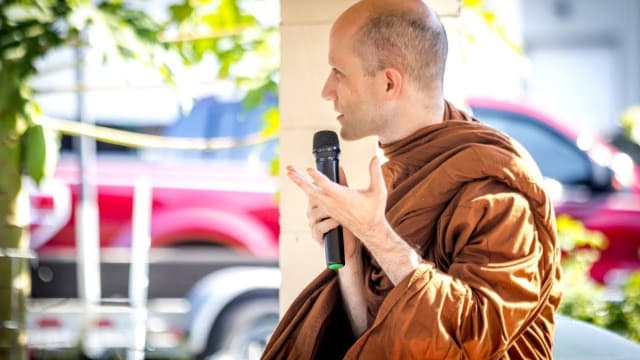
An online Dhamma group session, recorded for the Yuttadhammo Bhikkhu channel and dated November 7, 2026, is a little over two hours of study built around one text: the late Venerable Mahasi Sayadaw's commentary on the Dhammacakkappavattana Sutta, which the study's description renders as "A Discourse on the Wheel of Dhamma." The format is a live group reading in which a teacher works through a classical Buddhist text in order, pausing to explain it and to take questions. This piece is written from the video's title and description. No transcript was available, so it does not report what was said on the day. What it can do is explain the text at the center of the session, why a group would take up a commentary rather than a bare sutta, and how a reader or viewer can get the most from the material.

Lesen · 5 Abschnitte

What is the Dhammacakkappavattana Sutta?

The title is a Pali compound that the study's own description translates as "A Discourse on the Wheel of Dhamma." The sutta is traditionally regarded as the Buddha's first discourse after his awakening, and it is among the most frequently studied texts in the Theravada tradition. It is short, which is part of why it lends itself to commentary. A few paragraphs carry a whole framework: the Middle Way between sensual indulgence and self-mortification, and the Four Noble Truths that structure everything the Buddha taught afterward. A text that compact rewards slow reading, because almost every phrase is doing structural work.

That is the reason a commentary matters. A sutta gives you the words. A commentary asks what each word is for, how the terms relate, and what a practitioner is meant to do with the teaching once it is understood.

Why study a commentary instead of the sutta alone?

Mahasi Sayadaw, the Burmese meditation master the group is reading, is best known in the West as a teacher of systematic insight meditation. His commentary on this discourse comes from that same concern with practice. Reading it alongside the sutta turns an ancient, dense discourse into a series of questions a meditator can test against experience: what is being known, what is being let go of, and how does understanding of the Four Noble Truths change the way one attends to ordinary moments?

Studying a commentary in a group adds a second layer. A single reader tends to skip past the lines that feel familiar. A room of readers, especially one that brings questions, catches the phrase someone has never thought about. The format the description describes, with the invitation to send "questions, comments and support," is built on exactly that exchange.

How does a group study session like this work?

Based on the format the description sets out, the session follows the text in sequence rather than jumping to highlights. The commentary's own structure, which moves through the discourse in order, gives the session its shape. Each stretch of text is read, explained, and then opened to discussion. For a viewer, the practical lesson is that the session rewards following along with the source text rather than watching passively. Keep the sutta open, read the passage the teacher is discussing, and note the sentences that stop you.

How can you follow along if you did not attend?

The description links the text being studied, which is the most useful starting point. Read the sutta first, in full, with no commentary. Then read the commentary passage by passage, going back to the sutta each time. Do not rush to reach the end. A text of this kind is meant to be returned to, and a second pass often reveals what the first one missed.

The description also points to supporting material from the same teaching tradition: a booklet titled How To Meditate, a list of courses, and an at-home meditation course. These are the teacher's own resources, and they are the natural next step for anyone who wants to move from reading the text to practicing what it describes.

Where to go from here

  • Read the Dhammacakkappavattana Sutta in full, using the current text linked in the video's description.
  • Read Mahasi Sayadaw's commentary on the discourse, passage by passage, returning to the sutta as you go.
  • Watch the session itself, with the sutta open beside you, and note the lines that stop you.
  • If you want to practice, explore the How To Meditate booklet and the course listings the description links.
  • Subscribe to the channel to catch future sessions in the same series.

Studying a text this old is not about collecting its facts. It is about letting a few carefully chosen sentences ask the same question of you that they asked the first listeners: what is the nature of suffering, and what is the way out of it?
Comments

Loading the conversation…

YB
Artist
Yuttadhammo Bhikkhu

Watch more from Yuttadhammo Bhikkhu on YouTube.

Website
Themen erkunden
Dhammacakkappavattana-suttaMahasi-sayadawWheel-of-dhammaBuddhist-commentaryDhamma-study-group

Hast du Fragen?

Häufig gestellte Fragen

The Dhammacakkappavattana Sutta is a short discourse traditionally regarded as the Buddha's first teaching after his awakening. It sets out the Middle Way and the Four Noble Truths, which structure much of the Buddha's later teaching. Its compactness is why it is often studied through commentaries.
The online study description renders the title as "A Discourse on the Wheel of Dhamma." The phrase points to setting the wheel of Dhamma in motion, meaning the teaching being put into circulation.
Mahasi Sayadaw was a Burmese meditation master, best known in the West as a teacher of systematic insight meditation. The description refers to him as the late Venerable Mahasi Sayadaw, and his commentary on this discourse is the text the group studies.
No transcript was available for this article, so it does not report what was said during the session. The best way to get the content is to watch the video, with the sutta and commentary open alongside it. The current text being studied is linked in the video description.
Read the source sutta first, in full, before turning to the commentary. Then go through the commentary passage by passage, returning to the sutta each time. Many readers find that a second pass reveals what the first one missed.
The session is structured as a study group that works through the text in sequence and takes questions, so reading the source text ahead of time helps most. Practical meditation resources, such as the How To Meditate booklet linked in the description, are the natural next step for anyone who wants to practice what the text describes.

Weiterlesen

More from Yuttadhammo Bhikkhu

Alle anzeigen
Kondañña's Awakening: Mahasi Sayadaw on the First Sermon
Inspire

Kondañña's Awakening: Mahasi Sayadaw on the First Sermon

A 2026 online study session on Mahasi Sayadaw's commentary reveals how the Buddha's first sermon, and one old astrologer's sudden awakening,…

8 min read
The Wheel of Dhamma: Mahasi Sayadaw's Commentary on the First Teaching
Inspire

The Wheel of Dhamma: Mahasi Sayadaw's Commentary on the First Teaching

An exploration of the Dhammacakkappavattana Sutta through Venerable Mahasi Sayadaw's lens, uncovering how the Buddha's first discourse maps …

8 min read
Kirtan Camp in Costa Rica: Bhakti, Chant and the Blue Zone
Inspire

Kirtan Camp in Costa Rica: Bhakti, Chant and the Blue Zone

A week of kirtan, yoga and ocean swims at a Costa Rica retreat set for July 2027. This clip shows what Jai Uttal's camp is built to do: gath…

6 min read
Sita's Sacrifice: Why the Ramayana Story Changes Women's Place
Inspire

Sita's Sacrifice: Why the Ramayana Story Changes Women's Place

In a two-minute clip, Nina Rao argues that Sita's sacrifice in the Ramayana was a deliberate teaching about women's place in humanity, and a…

6 min read

Weiter erkunden

Setze deinen Weg fort

Mehr Weisheit und Zusammenkünfte aus dem BrightStar-Verzeichnis.

Mehr Artikel

Durchstöbere die ganze Bibliothek an Lehren, Interviews und Leitfäden.

Zu allen Artikeln →

Lehrer & Künstler

Entdecke die Linien, Musiker und Wegbegleiter der bewussten Welt.

Künstler erkunden →

Event finden

Kirtan, Retreats, Klangbäder, Atemarbeit, Festivals — bald in deiner Nähe.

Events ansehen →