BrightStar

Alle Events durchsuchen

Bewusste Zusammenkünfte entdecken

events

Yoga
Meditation
Breathwork
Qigong
Tai Chi
Sacred Music
World Music
Medicine Music
Sound Healing
Ecstatic Dance
Beliebte Reiseziele
BaliSedonaLos AngelesCosta RicaNew YorkSan FranciscoAustinMiamiJoshua TreeTulum
Alle Kategorien anzeigenAlle Reiseziele anzeigen

Alle Funktionen entdecken

Leistungsstarke Tools für Ihre Veranstaltungen

Plattform-Funktionen

Intelligente dynamische Preisgestaltung
Ticket-Kategorien
Sitzplatzreservierung
Warenkorbabbruch-Wiederherstellung
Besucher-Wiedergewinnung
Spenden & Staffelpreise
Affiliate-System
Ticket-Scanner
Rabattcodes
Individuelle Fragen
Ticket-Teilen
Upsells & Extras
Analysen & Berichte
E-Mail-Sequenzen
Warteliste / Benachrichtigen / Erinnern
Menschen & Orte
Artists & TeachersEvent OrganizersVenues & StudiosKnowledge BaseGlossaryInspiration
Alle Funktionen anzeigenÜber uns
PreiseBlog
Language
Saved events
Alle Veranstaltungen durchsuchen

events

YogaMeditationBreathworkQigongTai ChiSacred MusicWorld MusicMedicine Music

Beliebte Reiseziele

BaliSedonaLos AngelesCosta RicaNew YorkSan Francisco

Menschen & Orte

Artists & TeachersEvent OrganizersVenues & StudiosKnowledge BaseGlossaryInspiration

Plattform-Funktionen

Intelligente dynamische PreisgestaltungTicket-KategorienSitzplatzreservierungWarenkorbabbruch-WiederherstellungBesucher-WiedergewinnungSpenden & StaffelpreiseAffiliate-SystemTicket-ScannerRabattcodesIndividuelle FragenTicket-TeilenUpsells & ExtrasAnalysen & BerichteE-Mail-SequenzenWarteliste / Benachrichtigen / Erinnern
Alle Funktionen anzeigenÜber uns
PreiseBlog
AnmeldenSuchendeKreative
  • Alle Events durchsuchen
  • Für Suchende
  • Yoga
  • Meditation
  • Breathwork
  • Qigong
  • Tai Chi
  • Heilige Musik
  • Weltmusik
  • Medicine Music
  • Klangheilung
  • Ecstatic Dance
  • Retreats
  • Workshops
  • Alle Kategorien →
  • Bali
  • Sedona
  • Los Angeles
  • Costa Rica
  • Tulum
  • Byron Bay
  • San Francisco
  • Austin
  • New York
  • San Diego
  • Denver
  • Seattle
  • Portland
  • Miami
  • Alle Städte →
  • Join the Movement
  • Why we list
  • Sell Globally
  • Für Kreative
  • Für Teams
  • Für Autoren
  • Für Lehrer
  • Für Kirtan-Künstler
  • Für Studios
  • Für Festivals
  • Für Retreat-Zentren
  • Für gemeinnützige Organisationen
  • Markenbotschafter
  • Fallstudien
  • Kostenloses Ticketing
  • Elevate
  • Amplify
  • 500.000+ Käufernetzwerk
  • Warenkorbabbruch-Wiederherstellung
  • Intelligente dynamische Preisgestaltung
  • Ticket-Kategorien
  • Wiederkehrende Veranstaltungen
  • Sitzplatzreservierung
  • Affiliate-System
  • Warteliste / Benachrichtigen
  • Ticket-Scanner
  • Einbettungs-Widget
  • Event-Syndication
  • Nachrichten
  • Integrationen
  • Berichte
  • Alle Funktionen →
  • Über uns
  • Das Ökosystem
  • Blog
  • Glossar
  • Inspiration
  • Hilfe-Center
  • Kontakt
  • API-Dokumentation
  • Marken-Assets
  • Karriere
  • Presse
  • Nutzungsbedingungen
  • Datenschutzrichtlinie

Events

  • Alle Events durchsuchen
  • Für Suchende
  • Yoga
  • Meditation
  • Breathwork
  • Qigong
  • Tai Chi
  • Heilige Musik
  • Weltmusik
  • Medicine Music
  • Klangheilung
  • Ecstatic Dance
  • Retreats
  • Workshops
  • Alle Kategorien →

Reiseziele

  • Bali
  • Sedona
  • Los Angeles
  • Costa Rica
  • Tulum
  • Byron Bay
  • San Francisco
  • Austin
  • New York
  • San Diego
  • Denver
  • Seattle
  • Portland
  • Miami
  • Alle Städte →

Für Kreative

  • Join the Movement
  • Why we list
  • Sell Globally
  • Für Kreative
  • Für Teams
  • Für Autoren
  • Für Lehrer
  • Für Kirtan-Künstler
  • Für Studios
  • Für Festivals
  • Für Retreat-Zentren
  • Für gemeinnützige Organisationen
  • Markenbotschafter
  • Fallstudien
  • Kostenloses Ticketing
  • Elevate
  • Amplify

Funktionen

  • 500.000+ Käufernetzwerk
  • Warenkorbabbruch-Wiederherstellung
  • Intelligente dynamische Preisgestaltung
  • Ticket-Kategorien
  • Wiederkehrende Veranstaltungen
  • Sitzplatzreservierung
  • Affiliate-System
  • Warteliste / Benachrichtigen
  • Ticket-Scanner
  • Einbettungs-Widget
  • Event-Syndication
  • Nachrichten
  • Integrationen
  • Berichte
  • Alle Funktionen →

Unternehmen

  • Über uns
  • Das Ökosystem
  • Blog
  • Glossar
  • Inspiration
  • Hilfe-Center
  • Kontakt
  • API-Dokumentation
  • Marken-Assets
  • Karriere
  • Presse
  • Nutzungsbedingungen
  • Datenschutzrichtlinie
BrightStar
© 2026 BrightStar. Alle Rechte vorbehalten.
Inspiration

Stoney Creek: Finding Home in Stillness and Presence

Xavier Rudd
Xavier Rudd
Jun 17, 2021
7 Min. Lesezeit

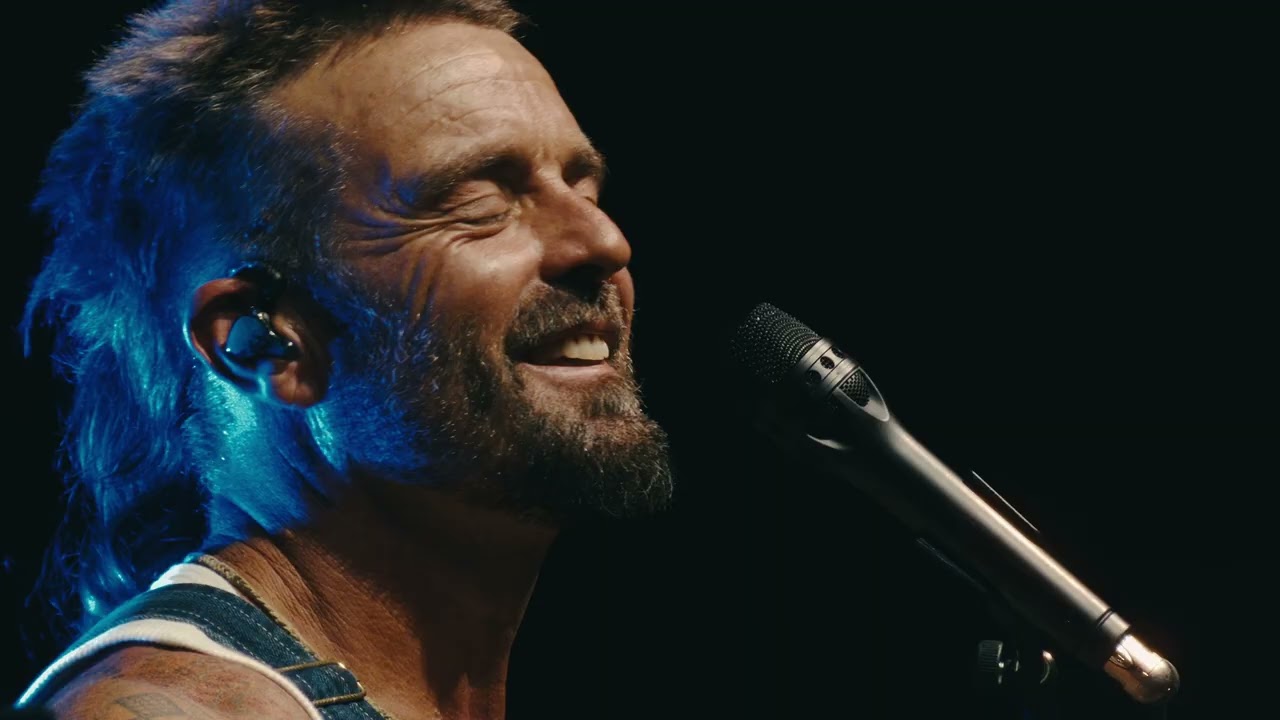
Xavier Rudd's "Stoney Creek," from the 2021 album Jan Juc Moon, is a meditation on home, presence, and belonging. Rather than chasing external circumstances or global chaos, the song celebrates finding completeness in stillness with loved ones—a partner, a child, a dog—in a moment of refuge. The track uses intimate imagery (honey-colored eyes, island winds, a simple rest) to articulate what home truly means: not a place, but the quality of presence and acceptance with those you love.

Lesen · 8 Abschnitte

What Does "Home" Mean Beyond Geography?

In "Stoney Creek," Rudd doesn't describe home as a fixed location. Instead, home emerges as a state of being—a convergence of presence, acceptance, and intimate connection. The opening lines set the tone: "Baby the wind is blowin / So rest your weary head here on my knee / There's no way we're getting on the ocean / So fuck everything else and let's just be." This is not resignation to circumstance; it's a deliberate choice to prioritize presence over productivity, acceptance over resistance.

The song invokes multiple sensory anchors that locate "home": the physical act of resting one's head, the warmth of physical closeness, the dog (an "Indi pup") as a living presence, and the "sweet place to rest our feet." These aren't grand gestures. They're the textures of intimacy—the ordinary made sacred through attention. Rudd's choice to say "fuck everything else and let's just be" is an act of radical simplicity: in a world demanding constant motion, the revolutionary act is stillness.

How Does External Chaos Shape the Need for Refuge?

The song's context matters. Released in 2021, during pandemic lockdowns and global uncertainty, "Stoney Creek" arrived as many people were grappling with disruption and instability. Rudd acknowledges this directly: "Spendin time here in these islands / While it seems the whole wide world has gone crazy." He doesn't ignore the chaos; he names it. But naming it also creates distance—a perspective that allows him to say: "So take my hand let's walk this together / Teach our little man the best we see."

This is not escapism. It's discernment. Rudd is proposing that amid global disorder, the most coherent action is to be fully present with those in your immediate circle, and to model presence for the next generation ("Teach our little man"). The "world gone crazy" serves as backdrop, not destination. The focus remains intimate—a partnership, a child, a dog, and the practice of being together without agenda.

What Role Does Nature Play in the Song's Spiritual Ecology?

The wind appears twice in "Stoney Creek," functioning as both obstacle and teacher. "Baby the wind is blowin" appears in the opening—initially presented as a reason to stay close, to rest, to surrender external plans. Later, the wind becomes more philosophical: "And the wind owes me nothing / But it's blown me here with you / And it can blow until it's through."

This reframes the wind (and by extension, all external forces—weather, circumstance, history, global events) as neither enemy nor savior. The wind has no obligation to Rudd. It arrives and departs on its own schedule. What matters is the recognition that the wind has, in fact, brought him to this moment, this person, this home. There's a gratitude here that doesn't require the wind to be "good" or serve his purposes. The wind simply is, and his presence with another person simply is, and that sufficiency—that enoughness—constitutes home.

Why Does Physical Beauty Matter in the Lyrics?

Rudd describes his partner with specific sensory detail: "honey girl," "hazel eyes the most beautiful red I've seen." He names the dog and its accomplishments ("Indi pup she just killed a chicken"). These aren't throwaway details. In a song about home and presence, the capacity to truly see—to notice color, texture, the specific qualities of the beings around you—becomes a spiritual practice.

The ability to say someone has "the most beautiful red I've seen" in their eyes suggests deep looking, a gaze that isn't comparative or abstract but rooted in direct perception. This kind of seeing is inseparable from love and presence. You cannot truly see another person's eyes while distracted by a screen, by worry, by the next thing. Presence enables perception; perception deepens presence. Beauty, in this context, is not objective. It's the fruit of attention.

What Is the Song's Relationship to Acceptance and Non-Resistance?

"There's no way we're getting on the ocean" could be read as disappointment—a plan thwarted. Instead, Rudd transforms it into invitation: "So fuck everything else and let's just be." The wind blocks passage; the wind also becomes occasion for closeness. The response isn't to fight the conditions but to recognize what they enable. When plans collapse, presence becomes possible.

This echoes contemplative teachings on acceptance—not passive resignation, but active alignment with what is. The wind isn't what Rudd would have chosen, perhaps. But by accepting it, he discovers that it brings him exactly what he needs: refuge, intimacy, time with those he loves. The song suggests that resistance to circumstance costs presence. Acceptance opens it.

How Does "Stoney Creek" Address Parenting and Legacy?

The mention of "our little man" introduces a generational dimension. Rudd isn't just seeking refuge for himself and his partner; he's thinking about what values and practices to transmit. "Teach our little man the best we see" suggests that the real inheritance isn't material—it's the capacity to recognize and choose what truly matters. What is "the best we see"? Not achievement, not status, not accumulation. The best that's visible from a small island with wind and love and a dog is presence itself, the ability to be fully where you are with full attention.

Parenting, in this frame, is teaching through example—showing a child that home isn't built on external circumstances but on the quality of attention and care you bring to intimate relationships. It's modeling the choice to prioritize presence over productivity, connection over consumption.

What Does the Album Context Reveal?

"Stoney Creek" is the opening track from Jan Juc Moon, Rudd's 2021 album. Releasing it first signals intent: this is the foundational tone. Before any other story, before any other song, Rudd wants to establish what matters. He's not leading with virtuosity or complexity. He's leading with intimacy, with presence, with the simple radical act of being with those you love while the wind blows outside.

Jan Juc is a beach town in Victoria, Australia, where Rudd is based. The album title anchors his work in place, in home. "Stoney Creek" does the same—not by describing a specific location exhaustively, but by capturing the felt sense of finding home in refugium, in stillness, in the presence of love amid change.

Where to go from here

If "Stoney Creek" resonates, consider exploring Rudd's broader work—his albums consistently weave themes of place, presence, and ecological awareness. Musically, his fingerstyle guitar work and sparse acoustic arrangements serve the intimacy of his lyrics; the less adorned the sound, the more weight each word carries. Spiritually, the song invites reflection on your own definition of home: Is it a place, a person, a practice, a state of mind? What would it mean to genuinely prioritize presence—to "fuck everything else and let's just be"—in your own life? Finally, consider the wind in your own experience. What external forces are you resisting? What might they be offering if you stopped fighting and started receiving?
Comments

Loading the conversation…

Xavier Rudd
ArtistXavier Rudd

Australian musician and yoga teacher who weaves folk, blues, and world music with spiritual themes, championing environmental consciousness and connection to nature through soulful…

Profil ansehenWebsite
Themen erkunden
Presence-consciousnessHome-belongingIntimacy-relationshipsAcceptance-surrenderNature-spirit

Hast du Fragen?

Häufig gestellte Fragen

Home in 'Stoney Creek' isn't a fixed location but a state of presence and connection with loved ones. The song suggests home emerges when you're fully attentive to intimate moments—resting with a partner, time with a child, closeness with a dog—rather than chasing external achievement or resisting circumstance.
The wind functions as both an obstacle (preventing departure) and a teacher (creating occasions for closeness). It represents external forces beyond control—circumstances, time, history—which Rudd addresses through acceptance rather than resistance. The wind 'owes him nothing' but has brought him to the people and place he loves.
Released in 2021, the song acknowledges 'the whole wide world has gone crazy' while proposing that the coherent response is radical presence with those in your immediate circle and intentional modeling of values for the next generation, rather than reactivity to external chaos.
The song teaches the practice of presence and acceptance. It models how to respond to blocked plans not with frustration but with recognition of what those blocks enable—intimacy, attention, the capacity to truly see and appreciate those you love.
Specific sensory detail signals deep seeing—the kind of attention that's inseparable from love and presence. True perception of another being requires presence; conversely, presence deepens your capacity to notice beauty and particularity rather than moving through life on autopilot.
This phrase articulates a deliberate rejection of productivity and distraction in favor of presence. In a world demanding constant motion, the revolutionary act is stillness—choosing to be fully where you are rather than always reaching toward the next thing.
Rudd frames parenting as teaching by example—showing a child 'the best we see,' which is the capacity to recognize and prioritize what truly matters: presence, connection, and the ability to find home in intimate relationships rather than external circumstances.

Weiterlesen

More from Xavier

Alle anzeigen
Music as Spirit Medicine: Touching Souls Through Sound
Inspire

Music as Spirit Medicine: Touching Souls Through Sound

Xavier Rudd explores how music serves as a bridge to the spirit world, allowing us to access realms beyond words and touch the souls of othe…

1 min read
Let Me Be: Finding Freedom in Acts of Humanity
Inspire

Let Me Be: Finding Freedom in Acts of Humanity

Xavier Rudd performs "Let Me Be," a song written after 9/11 to counter fear with joy, accompanied by 8000 Belgian fans in this live Forest N…

1 min read
How the Mind Creates Unhappiness Through Complaint and Conflict
Inspire

How the Mind Creates Unhappiness Through Complaint and Conflict

The ego sustains itself through complaint and conflict, creating unnecessary suffering. Understanding this mechanism reveals how to shift fr…

1 min read
Why Ducks Release Grudges Instantly
Inspire

Why Ducks Release Grudges Instantly

Eckhart Tolle explores how ducks embody present-moment awareness by releasing conflict immediately, offering a teaching on why humans carry …

1 min read

Weiter erkunden

Setze deinen Weg fort

Mehr Weisheit und Zusammenkünfte aus dem BrightStar-Verzeichnis.

Mehr Artikel

Durchstöbere die ganze Bibliothek an Lehren, Interviews und Leitfäden.

Zu allen Artikeln →

Lehrer & Künstler

Entdecke die Linien, Musiker und Wegbegleiter der bewussten Welt.

Künstler erkunden →

Event finden

Kirtan, Retreats, Klangbäder, Atemarbeit, Festivals — bald in deiner Nähe.

Events ansehen →