BrightStar

Alle Events durchsuchen

Bewusste Zusammenkünfte entdecken

events

Yoga
Meditation
Breathwork
Qigong
Tai Chi
Sacred Music
World Music
Medicine Music
Sound Healing
Ecstatic Dance
Beliebte Reiseziele
BaliSedonaLos AngelesCosta RicaNew YorkSan FranciscoAustinMiamiJoshua TreeTulum
Alle Kategorien anzeigenAlle Reiseziele anzeigen

Alle Funktionen entdecken

Leistungsstarke Tools für Ihre Veranstaltungen

Plattform-Funktionen

Intelligente dynamische Preisgestaltung
Ticket-Kategorien
Sitzplatzreservierung
Warenkorbabbruch-Wiederherstellung
Besucher-Wiedergewinnung
Spenden & Staffelpreise
Affiliate-System
Ticket-Scanner
Rabattcodes
Individuelle Fragen
Ticket-Teilen
Upsells & Extras
Analysen & Berichte
E-Mail-Sequenzen
Warteliste / Benachrichtigen / Erinnern
Menschen & Orte
Artists & TeachersEvent OrganizersVenues & StudiosKnowledge BaseGlossaryInspiration
Alle Funktionen anzeigenÜber uns
PreiseBlog
Language
Saved events
Alle Veranstaltungen durchsuchen

events

YogaMeditationBreathworkQigongTai ChiSacred MusicWorld MusicMedicine Music

Beliebte Reiseziele

BaliSedonaLos AngelesCosta RicaNew YorkSan Francisco

Menschen & Orte

Artists & TeachersEvent OrganizersVenues & StudiosKnowledge BaseGlossaryInspiration

Plattform-Funktionen

Intelligente dynamische PreisgestaltungTicket-KategorienSitzplatzreservierungWarenkorbabbruch-WiederherstellungBesucher-WiedergewinnungSpenden & StaffelpreiseAffiliate-SystemTicket-ScannerRabattcodesIndividuelle FragenTicket-TeilenUpsells & ExtrasAnalysen & BerichteE-Mail-SequenzenWarteliste / Benachrichtigen / Erinnern
Alle Funktionen anzeigenÜber uns
PreiseBlog
AnmeldenSuchendeKreative
  • Alle Events durchsuchen
  • Für Suchende
  • Yoga
  • Meditation
  • Breathwork
  • Qigong
  • Tai Chi
  • Heilige Musik
  • Weltmusik
  • Medicine Music
  • Klangheilung
  • Ecstatic Dance
  • Retreats
  • Workshops
  • Alle Kategorien →
  • Bali
  • Sedona
  • Los Angeles
  • Costa Rica
  • Tulum
  • Byron Bay
  • San Francisco
  • Austin
  • New York
  • San Diego
  • Denver
  • Seattle
  • Portland
  • Miami
  • Alle Städte →
  • Join the Movement
  • Why we list
  • Sell Globally
  • Für Kreative
  • Für Teams
  • Für Autoren
  • Für Lehrer
  • Für Kirtan-Künstler
  • Für Studios
  • Für Festivals
  • Für Retreat-Zentren
  • Für gemeinnützige Organisationen
  • Markenbotschafter
  • Kostenloses Ticketing
  • Elevate
  • Amplify
  • 500.000+ Käufernetzwerk
  • Warenkorbabbruch-Wiederherstellung
  • Intelligente dynamische Preisgestaltung
  • Ticket-Kategorien
  • Wiederkehrende Veranstaltungen
  • Sitzplatzreservierung
  • Affiliate-System
  • Warteliste / Benachrichtigen
  • Ticket-Scanner
  • Einbettungs-Widget
  • Event-Syndication
  • Nachrichten
  • Integrationen
  • Berichte
  • Alle Funktionen →
  • Über uns
  • Das Ökosystem
  • Blog
  • Glossar
  • Inspiration
  • Hilfe-Center
  • Kontakt
  • API-Dokumentation
  • Marken-Assets
  • Karriere
  • Presse
  • Nutzungsbedingungen
  • Datenschutzrichtlinie

Events

  • Alle Events durchsuchen
  • Für Suchende
  • Yoga
  • Meditation
  • Breathwork
  • Qigong
  • Tai Chi
  • Heilige Musik
  • Weltmusik
  • Medicine Music
  • Klangheilung
  • Ecstatic Dance
  • Retreats
  • Workshops
  • Alle Kategorien →

Reiseziele

  • Bali
  • Sedona
  • Los Angeles
  • Costa Rica
  • Tulum
  • Byron Bay
  • San Francisco
  • Austin
  • New York
  • San Diego
  • Denver
  • Seattle
  • Portland
  • Miami
  • Alle Städte →

Für Kreative

  • Join the Movement
  • Why we list
  • Sell Globally
  • Für Kreative
  • Für Teams
  • Für Autoren
  • Für Lehrer
  • Für Kirtan-Künstler
  • Für Studios
  • Für Festivals
  • Für Retreat-Zentren
  • Für gemeinnützige Organisationen
  • Markenbotschafter
  • Kostenloses Ticketing
  • Elevate
  • Amplify

Funktionen

  • 500.000+ Käufernetzwerk
  • Warenkorbabbruch-Wiederherstellung
  • Intelligente dynamische Preisgestaltung
  • Ticket-Kategorien
  • Wiederkehrende Veranstaltungen
  • Sitzplatzreservierung
  • Affiliate-System
  • Warteliste / Benachrichtigen
  • Ticket-Scanner
  • Einbettungs-Widget
  • Event-Syndication
  • Nachrichten
  • Integrationen
  • Berichte
  • Alle Funktionen →

Unternehmen

  • Über uns
  • Das Ökosystem
  • Blog
  • Glossar
  • Inspiration
  • Hilfe-Center
  • Kontakt
  • API-Dokumentation
  • Marken-Assets
  • Karriere
  • Presse
  • Nutzungsbedingungen
  • Datenschutzrichtlinie
BrightStar
Hol dir die App
Laden imApp StoreJetzt beiGoogle Play
© 2026 BrightStar. Alle Rechte vorbehalten.
Inspiration

Parasympathetic Breathing: Why a Longer Exhale Calms Stress

Naomi Goodlet
Naomi Goodlet
Jan 31, 2021
8 Min. Lesezeit

Von Naomi Goodlet

Ansehen · 7

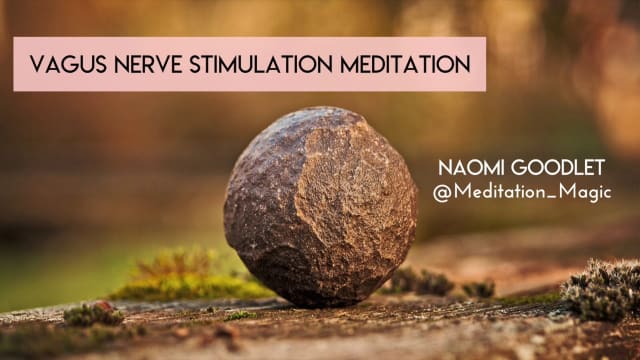
Sit up in a chair or on a cushion, let the body soften, and let the breath do the work. That is the entry point to a short guided practice from teacher Naomi Goodlet, published on YouTube in January 2021, that asks you to breathe in slowly to full capacity and then breathe out even more slowly, with a pause if you want one. There is no counting and no complicated pattern. The single rule is that the exhale must last longer than the inhale. Goodlet frames the whole exercise as a way to shift the body out of alarm and into what she calls "rest and restore," and the eleven-minute video is built around that one instruction, repeated with patience. What follows is a close reading of how the practice works, why its details matter, and what the video does and does not claim.

Lesen · 6 Abschnitte

What does the practice actually feel like?

The video opens with a settling cue rather than a breath. Goodlet asks the listener to relax the body and release any areas holding tension or tightness, a small pause that matters more than it first appears. Most people begin a breathing exercise while still bracing, shoulders high and jaw set, and the instructions that follow are easier to follow once the body has let go of that effort.

Then the breath begins. At roughly 37 seconds she lays out the frame: "breathe in slowly to your full capacity and breathe out very slowly, pausing as long as you like before breathing in again." The inhale is full and deliberate, with attention on expanding the diaphragm and filling the lungs. The exhale is the real subject of the practice. Goodlet asks you to let the air out until the lungs are completely empty, and then to hold or pause gently before the next inhale if that feels right.

Anyone who has tried a standard relaxation breath will recognize the first hurdle. The natural impulse at the top of a breath is to let it go quickly. Goodlet anticipates this at around the two-minute mark: "you might have the urge to rapidly release the breath but try to extend the exhalation as long as you can until your lungs are empty." The instruction is not to force the air out or to hold it tight, but to slow the release so that it stretches as far as it comfortably goes.

She is also candid that the rhythm will not arrive instantly. At about the three-minute mark she says plainly: "this way of breathing can seem unnatural and it may take a few rounds to drop into a rhythm that feels comfortable." That honesty sets the tone for the whole session. The practice is less a technique to perform perfectly than a pattern the body gradually settles into.

Why does the exhale have to be longer than the inhale?

The central instruction is structural. Goodlet says it directly at about the one-minute mark: you can count if you like, but "you do need to ensure that your out breath lasts longer than your in breath." Everything else in the video, the pauses, the slowness, the full inhale, is in service of that asymmetry.

The reasoning she gives is tied to the parasympathetic nervous system, the branch of the autonomic nervous system often described as the body's rest-and-digest side. Her video description makes the broader claim that this activation, along with stimulation of the vagus nerve, supports digestion, cardiovascular health, cognitive clarity, and immune function, and that it can help lower blood pressure, reduce inflammation, and calm stress. Those are the claims the video description makes; the spoken guidance itself does not cite studies, and a viewer should weigh them as the teacher's framing rather than settled findings.

What the transcript does make clear is the contrast Goodlet draws between two states of breathing. Fast, short breaths are the opposite of what she is teaching. In her words: "rapid breathing will snap you into survival mode." A slow, lengthened exhale is offered as the route in the other direction, toward the state she describes as allowing the body to "access a state of rest and restore" and "give your body this time to recalibrate, to switch off stress and to heal itself" (around the seven-minute mark in the video's timeline).

Why does slowness matter so much?

Slowness is not an aesthetic preference in this practice. It is the safety condition. Goodlet is explicit that the breaths must be slow so that you do not feel light-headed, and that slowness is what allows the nervous system response she is describing to take hold. The guidance at about the five-minute mark makes the point directly: "it's important that these breaths are slow so that you don't feel light-headed and that you stimulate your parasympathetic nervous system effectively."

She also builds in a self-correction. If the listener starts to feel woozy, the cue is not to push through but to adjust. Goodlet's instructions name the options: keep it slow, work with your body, take a break if you need one, or shorten your inhalation if you are feeling woozy. That last option is worth noticing. The fix for dizziness is a smaller inhale, not a deeper effort, which reflects the practice's overall logic. The aim is comfort and steadiness, not a dramatic breath.

There is a subtle point in her phrasing as well. She pairs the breath with a slowing of attention: "slowing your breathing down, slowing your focus down." The breath is treated as a doorway into a slower mental state, not only a physiological adjustment. This is where the practice reads as contemplative as much as physiological: the same slowness that governs the lungs is meant to govern the mind watching them.

How do you practice it without getting lightheaded?

Taking Goodlet's instructions as a guide, a practical approach looks like this:

  • Sit upright in a position that feels stable and comfortable, and release any tension you notice before you begin.
  • Breathe in slowly and fully, expanding the diaphragm and filling the lungs to your comfortable capacity.
  • Exhale slowly, letting the air out until the lungs are empty, and resist the urge to release it quickly.
  • Pause gently if you wish, then let the next inhale come on its own.
  • Keep the out-breath longer than the in-breath. Counting is optional; the length of the exhale is the requirement.
  • If you feel light-headed, shorten the inhale, slow down further, or take a break.
  • Allow a few rounds before the rhythm feels natural. Goodlet notes this may take time.
  • Come back to the body gradually, noticing whether you feel grounded before opening your eyes.

The closing moment of the video reflects that last step. At about the eleven-minute mark, Goodlet asks the listener to come back into the body: "coming back into your body now feeling grounded and opening your eyes when you're ready." The practice does not end abruptly. It returns you to the room gently, which is consistent with the rest-and-restore tone that runs through the whole recording.

What should a viewer take away from the video?

The strength of this short practice is its simplicity. It asks for no equipment, no special posture beyond sitting up, and no numerical discipline. Its one firm instruction, the longer exhale, is easy to remember and easy to test on yourself. Goodlet's approach also avoids overpromising in its spoken guidance. She describes the experience and the intention, and she is clear that the first few rounds may feel awkward.

The limits are worth stating. The video description contains broader health claims about blood pressure, inflammation, and immune function, and the spoken practice does not walk through the evidence behind them. Anyone with a cardiovascular condition, a breathing disorder, or a history of dizziness should check with a qualified health professional before adopting a new breathing routine, and should stop if the practice causes discomfort. The breath itself is gentle, but the guidance around it is the teacher's own, and it is best held that way.

Where to go from here

Watch the video through once without trying to get it perfect. Notice where the exhale starts to feel like the easy part and where it starts to fight you. Then try a few rounds at a time across a day, keeping the out-breath longer than the in-breath and letting the pauses be as long or as short as feel right. If you want to learn more about Goodlet's work, including one-to-one sessions, her website is listed in the video description at naomigoodlet.com. The practice is small on purpose: a single slow breath, repeated, asking the body to remember how to rest.
Comments

Loading the conversation…

Transcript

[0:12]

[0:19] sitting up in a comfortable position relaxing your body and releasing any areas that are

[0:25] holding tension or tightness

[0:37] here's what i'll be guiding you to do breathe in slowly to your full capacity and breathe

[0:46] out very slowly pausing as long as you like before breathing in again this method

[0:57] of breathing does not require counting although you can if you like but you do need to ensure

[1:02] that your out breath lasts longer than your in breath let's begin breathing in slowly

[1:17] filling up your lungs and exhaling slowly until all the air is out of your lungs

[1:35] breathing in slowly and deeply expanding your diaphragm

[1:43] filling up all the space in your lungs and at the top of the breath begin a very slowsteady exhale

[1:58] you might have the urge to rapidly release the breath but try to extend the exhalation

[2:04] as long as you can until your lungs are empty hold or pause gently if you wish before inhaling again

[2:16] breathe in slowly

[2:27] and breathe out slowly

[2:38] breathe in filling up your lungs and breathing out slowly

[2:51] this way of breathing can seem unnatural and it may take a few rounds to drop into a rhythm that feels comfortable

[3:03] breathing in slowly filling up your lungs

[3:07] and exhaling even slower with a pause if you can

[5:02] it's important that these breaths are slow so that you don't feel light-headed and that

[5:07] you stimulate your parasympathetic nervous system effectively

[5:14] rapid breathing will snap you into survival mode keep it slow, work with your body, take a break if you need one

[5:28] or shorten your inhalation if you're feeling woozy slowing your breathing down, slowing your focus down

[5:44] and allowing your body to access a state of rest and restore

[7:00] giving your body this time to recalibrate to switch off stress and to heal itself

[8:39] breathing into capacity or as deeply as you like

[8:47] breathing out slowly with a pause if you can

[11:19] coming back into your body now feeling grounded and opening your eyes when you're ready

Naomi Goodlet
ArtistNaomi Goodlet

Naomi Goodlet is a therapist and meditation teacher who has released over 130 free guided meditations and hosts the Imperfect Habits Podcast on psychology, self-help and habit chan…

Profil ansehenWebsite
Themen erkunden
Parasympathetic-nervous-systemVagus-nerveExtended-exhaleSlow-breathingBreathwork

Hast du Fragen?

Häufig gestellte Fragen

Sit comfortably, breathe in slowly to a full, comfortable capacity, then breathe out even more slowly until the lungs are empty. Naomi Goodlet's guided practice asks that the out-breath last longer than the in-breath, with an optional gentle pause between breaths. Counting is not required.
In Goodlet's video, the longer exhale is the core requirement of the practice, and the slowness is meant to stimulate the parasympathetic nervous system. She contrasts it with rapid breathing, which she says snaps the body into survival mode. The video description adds broader health claims, but the spoken guidance does not cite studies for them.
Goodlet advises keeping the breaths slow so you don't feel light-headed, and says that if you feel woozy you should shorten the inhale, slow down, or take a break. Adjusting the inhale is the recommended fix rather than pushing through the discomfort.
Goodlet says the way of breathing can feel unnatural at first and that it may take a few rounds to find a rhythm that feels comfortable. Patience across several rounds is part of the practice.
The video's description says slow breathing activates the parasympathetic nervous system and vagus nerve and can support digestion, heart health, and immunity. The spoken practice itself does not present research citations, so these should be treated as the teacher's framing. People with heart, breathing, or dizziness concerns should consult a health professional first.
No. Goodlet states that the method does not require counting, though you can count if you like. The only firm requirement is that the out-breath lasts longer than the in-breath.

Weiterlesen

More from Naomi Goodlet

Alle anzeigen
Vagus Nerve Breathing: A 6-4-8-4 Practice to Slow Down
Inspire

Vagus Nerve Breathing: A 6-4-8-4 Practice to Slow Down

Naomi Goodlet's guided breathing practice pairs a 6-4-8-4 diaphragmatic count with one core idea: a longer exhale signals safety. Here is ho…

7 min read
When Your Body Won't Stand Down at Night: A Vagus Nerve Guide
Inspire

When Your Body Won't Stand Down at Night: A Vagus Nerve Guide

A two-hour vagus nerve sleep session built for the nights when the mind is ready for bed but the jaw, chest and legs are still running the d…

10 min read
Kirtan Camp in Costa Rica: Bhakti, Chant and the Blue Zone
Inspire

Kirtan Camp in Costa Rica: Bhakti, Chant and the Blue Zone

A week of kirtan, yoga and ocean swims at a Costa Rica retreat set for July 2027. This clip shows what Jai Uttal's camp is built to do: gath…

6 min read
Sita's Sacrifice: Why the Ramayana Story Changes Women's Place
Inspire

Sita's Sacrifice: Why the Ramayana Story Changes Women's Place

In a two-minute clip, Nina Rao argues that Sita's sacrifice in the Ramayana was a deliberate teaching about women's place in humanity, and a…

6 min read

Weiter erkunden

Setze deinen Weg fort

Mehr Weisheit und Zusammenkünfte aus dem BrightStar-Verzeichnis.

Mehr Artikel

Durchstöbere die ganze Bibliothek an Lehren, Interviews und Leitfäden.

Zu allen Artikeln →

Lehrer & Künstler

Entdecke die Linien, Musiker und Wegbegleiter der bewussten Welt.

Künstler erkunden →

Event finden

Kirtan, Retreats, Klangbäder, Atemarbeit, Festivals — bald in deiner Nähe.

Events ansehen →