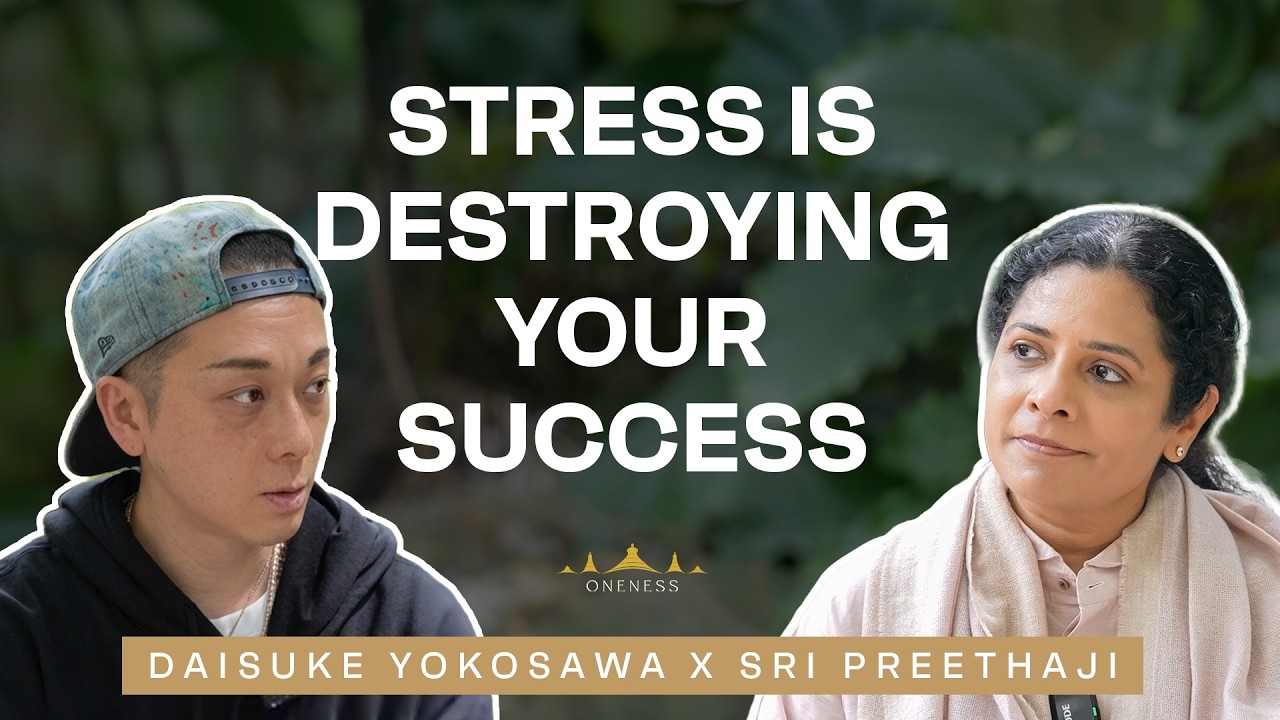
Through Oneness practice, a practitioner named Seb identified deep patterns of rage and guilt that were unconsciously driving his life choices and relationships. By engaging with Oneness teachings and the Ekam practice, he achieved radical transformation across three key life domains—his intimate relationships, his business operations, and his approach to wealth and abundance. The core insight is that many people are unaware of the emotional charge beneath surface-level problems, and Oneness offers a pathway to recognize and dissolve these hidden patterns.
How Hidden Rage and Guilt Shape Life Outcomes
Many people operate from emotional patterns so deeply embedded that they don't recognize them as the root cause of their struggles. Seb's experience with Oneness revealed a crucial discovery: his life was being steered by unacknowledged rage and guilt. These weren't emotions he consciously felt in every moment—rather, they were structural patterns influencing his decisions, his interactions with others, and his relationship to success and money.
Rage and guilt often work together in the human psyche. Guilt can arise from internalized beliefs about unworthiness or shame, and rage emerges as the suppressed response to that shame. Together, they create a dynamic where a person may sabotage their own success, push away intimate partners, or remain stuck in patterns of self-limitation. What makes Oneness practice distinct is its focus on making these invisible patterns visible and consciously dissolvable.
Seb's transformation suggests that the first step toward change is not willpower or positive thinking, but rather clear seeing—an honest recognition of what emotional forces are actually governing your life.
What Is Oneness Ekam Practice?
Oneness Ekam is a contemplative and energetic practice rooted in the Oneness Movement, a spiritual tradition that emphasizes direct experiential understanding of interconnection and unity consciousness. While the specific mechanisms of the Ekam practice aren't detailed in the short video, the results Seb experienced point to its effectiveness in creating what practitioners call "inner dissolution"—the softening and release of deeply held emotional blockages.
The Oneness approach differs from purely cognitive or talk-based therapy in that it works with both the intellectual understanding and the energetic body. Practitioners report that Oneness practices can trigger profound shifts in how people perceive themselves and others, often moving beyond the logical mind into direct experience. For Seb, this shift allowed him to see rage and guilt not as character flaws but as patterns that could be recognized and released.
Transformation in Intimate Relationships
One of the first places people notice change through Oneness practice is in their closest relationships. When rage and guilt are driving someone's behavior, they create walls, defensiveness, and miscommunication with partners. The suppressed rage may emerge as criticism or emotional withdrawal, while the guilt may manifest as people-pleasing, resentment, or difficulty setting boundaries.
Seb's transformation in his relationships likely involved recognizing how these patterns had been affecting his partner and learning to respond from a clearer, less reactive place. This is not about becoming passive or emotionally "nice," but rather about accessing a more authentic and grounded way of relating. When rage and guilt are no longer driving the unconscious, a person can show up with greater presence, honesty, and capacity for genuine intimacy.
Radical Change in Business and Entrepreneurial Drive
Rage and guilt profoundly affect how people approach work and business. Guilt can undermine confidence and lead to underpricing services, self-sabotage, or the inability to stand behind one's work. Rage, when unexamined, often shows up as aggressive competition, burnout-inducing workaholism, or decision-making driven by the need to prove oneself rather than genuine purpose.
Seb's shift in his business suggests that dissolving these patterns freed him to operate from a more grounded, intentional place. Without the unconscious drive to prove his worth or punish himself for perceived failures, he could make clearer decisions, build stronger teams, and pursue opportunities aligned with genuine values rather than emotional compensation. This shift is often accompanied by increased clarity about what work actually serves his growth and his community.
Wealth Abundance and the Emotional Blocks to Prosperity
Relationship patterns with money are deeply tied to emotional patterns. Many people unconsciously block abundance because of guilt ("I don't deserve this"), rage at authority figures (leading to financial self-sabotage), or beliefs inherited from childhood or culture. The belief that wealth is somehow shameful, or that poor people are morally superior, can create a ceiling on prosperity even when opportunities arise.
Seb's reported transformation in wealth and abundance suggests that by releasing rage and guilt, he also released the unconscious limiting beliefs around money. This doesn't mean the Oneness practice magically created wealth—rather, it appears to have removed the internal blocks that were preventing him from receiving, building, and maintaining abundance. When these emotional patterns soften, people often report greater clarity in financial decisions, more willingness to invest in themselves and their businesses, and less anxiety around having or wanting money.
The Broader Invitation of Oneness
Seb's story is presented as an invitation to consider what patterns might be hidden beneath the surface of your own life. The Oneness Global Summit (held July 18-20, 2025, according to the YouTube description) positions Oneness practice as a pathway to dissolving stress and unlocking relationship and wealth abundance. The underlying premise is that many people are not fully conscious of the emotional forces driving their lives, and that direct experience of Oneness—a felt sense of unity and interconnection—can catalyze the release of patterns held in the body and psyche.
This is distinct from intellectual understanding. You can intellectually know that rage is limiting you, but that knowledge alone doesn't dissolve the pattern. Oneness practice appears to work with the whole being—consciousness, energy, and the nervous system—to enable genuine transformation rather than just mental reorganization.
How to Recognize Unconscious Patterns in Your Own Life
If Seb's transformation resonates, you might ask yourself: What patterns keep repeating in my relationships? Where do I self-sabotage in work or money? What emotional undertone—rage, shame, guilt, or unworthiness—might be invisibly driving my choices? Often, the pattern is not one thing but a constellation of related behaviors that, when looked at honestly, all trace back to a core emotional charge.
The invitation is not to judge yourself for these patterns, but to become curious about them. Patterns are not personal failures; they are adaptive responses to earlier experiences that are no longer serving you. Recognition is the first step toward dissolution.
Where to Go From Here
If you're interested in exploring Oneness practice or understanding how hidden emotional patterns might be affecting your life, the Oneness Global Summit offers direct teaching and transmission from experienced facilitators. The specific focus on stress dissolution, relationship transformation, and abundance unlocking suggests the summit provides both theoretical understanding and experiential work. Consider also reflecting on your own three life domains—relationships, work/business, and money—to notice any recurring themes or hidden drivers. Finally, approach any such exploration with openness but also discernment: real transformation often feels subtle at first, not dramatic, and it tends to unfold over time rather than in a single moment.