BrightStar

Alle Events durchsuchen

Bewusste Zusammenkünfte entdecken

events

Yoga
Meditation
Breathwork
Qigong
Tai Chi
Sacred Music
World Music
Medicine Music
Sound Healing
Ecstatic Dance
Beliebte Reiseziele
BaliSedonaLos AngelesCosta RicaNew YorkSan FranciscoAustinMiamiJoshua TreeTulum
Alle Kategorien anzeigenAlle Reiseziele anzeigen

Alle Funktionen entdecken

Leistungsstarke Tools für Ihre Veranstaltungen

Plattform-Funktionen

Intelligente dynamische Preisgestaltung
Ticket-Kategorien
Sitzplatzreservierung
Warenkorbabbruch-Wiederherstellung
Besucher-Wiedergewinnung
Spenden & Staffelpreise
Affiliate-System
Ticket-Scanner
Rabattcodes
Individuelle Fragen
Ticket-Teilen
Upsells & Extras
Analysen & Berichte
E-Mail-Sequenzen
Warteliste / Benachrichtigen / Erinnern
Menschen & Orte
Artists & TeachersEvent OrganizersVenues & StudiosKnowledge BaseGlossaryInspiration
Alle Funktionen anzeigenÜber uns
PreiseBlog
Language
Saved events
Alle Veranstaltungen durchsuchen

events

YogaMeditationBreathworkQigongTai ChiSacred MusicWorld MusicMedicine Music

Beliebte Reiseziele

BaliSedonaLos AngelesCosta RicaNew YorkSan Francisco

Menschen & Orte

Artists & TeachersEvent OrganizersVenues & StudiosKnowledge BaseGlossaryInspiration

Plattform-Funktionen

Intelligente dynamische PreisgestaltungTicket-KategorienSitzplatzreservierungWarenkorbabbruch-WiederherstellungBesucher-WiedergewinnungSpenden & StaffelpreiseAffiliate-SystemTicket-ScannerRabattcodesIndividuelle FragenTicket-TeilenUpsells & ExtrasAnalysen & BerichteE-Mail-SequenzenWarteliste / Benachrichtigen / Erinnern
Alle Funktionen anzeigenÜber uns
PreiseBlog
AnmeldenSuchendeKreative
  • Alle Events durchsuchen
  • Für Suchende
  • Yoga
  • Meditation
  • Breathwork
  • Qigong
  • Tai Chi
  • Heilige Musik
  • Weltmusik
  • Medicine Music
  • Klangheilung
  • Ecstatic Dance
  • Retreats
  • Workshops
  • Alle Kategorien →
  • Bali
  • Sedona
  • Los Angeles
  • Costa Rica
  • Tulum
  • Byron Bay
  • San Francisco
  • Austin
  • New York
  • San Diego
  • Denver
  • Seattle
  • Portland
  • Miami
  • Alle Städte →
  • Join the Movement
  • Why we list
  • Sell Globally
  • Für Kreative
  • Für Teams
  • Für Autoren
  • Für Lehrer
  • Für Kirtan-Künstler
  • Für Studios
  • Für Festivals
  • Für Retreat-Zentren
  • Für gemeinnützige Organisationen
  • Markenbotschafter
  • Kostenloses Ticketing
  • Elevate
  • Amplify
  • 500.000+ Käufernetzwerk
  • Warenkorbabbruch-Wiederherstellung
  • Intelligente dynamische Preisgestaltung
  • Ticket-Kategorien
  • Wiederkehrende Veranstaltungen
  • Sitzplatzreservierung
  • Affiliate-System
  • Warteliste / Benachrichtigen
  • Ticket-Scanner
  • Einbettungs-Widget
  • Event-Syndication
  • Nachrichten
  • Integrationen
  • Berichte
  • Alle Funktionen →
  • Über uns
  • Das Ökosystem
  • Blog
  • Glossar
  • Inspiration
  • Hilfe-Center
  • Kontakt
  • API-Dokumentation
  • Marken-Assets
  • Karriere
  • Presse
  • Nutzungsbedingungen
  • Datenschutzrichtlinie

Events

  • Alle Events durchsuchen
  • Für Suchende
  • Yoga
  • Meditation
  • Breathwork
  • Qigong
  • Tai Chi
  • Heilige Musik
  • Weltmusik
  • Medicine Music
  • Klangheilung
  • Ecstatic Dance
  • Retreats
  • Workshops
  • Alle Kategorien →

Reiseziele

  • Bali
  • Sedona
  • Los Angeles
  • Costa Rica
  • Tulum
  • Byron Bay
  • San Francisco
  • Austin
  • New York
  • San Diego
  • Denver
  • Seattle
  • Portland
  • Miami
  • Alle Städte →

Für Kreative

  • Join the Movement
  • Why we list
  • Sell Globally
  • Für Kreative
  • Für Teams
  • Für Autoren
  • Für Lehrer
  • Für Kirtan-Künstler
  • Für Studios
  • Für Festivals
  • Für Retreat-Zentren
  • Für gemeinnützige Organisationen
  • Markenbotschafter
  • Kostenloses Ticketing
  • Elevate
  • Amplify

Funktionen

  • 500.000+ Käufernetzwerk
  • Warenkorbabbruch-Wiederherstellung
  • Intelligente dynamische Preisgestaltung
  • Ticket-Kategorien
  • Wiederkehrende Veranstaltungen
  • Sitzplatzreservierung
  • Affiliate-System
  • Warteliste / Benachrichtigen
  • Ticket-Scanner
  • Einbettungs-Widget
  • Event-Syndication
  • Nachrichten
  • Integrationen
  • Berichte
  • Alle Funktionen →

Unternehmen

  • Über uns
  • Das Ökosystem
  • Blog
  • Glossar
  • Inspiration
  • Hilfe-Center
  • Kontakt
  • API-Dokumentation
  • Marken-Assets
  • Karriere
  • Presse
  • Nutzungsbedingungen
  • Datenschutzrichtlinie
BrightStar
Hol dir die App
Laden imApp StoreJetzt beiGoogle Play
© 2026 BrightStar. Alle Rechte vorbehalten.
Inspiration

How One Clipped Syllable Turned Dhanteras Into a Money Festival

Sadhguru
Sadhguru
Nov 6, 2026
6 Min. Lesezeit

Von Sadhguru

Ansehen · 6

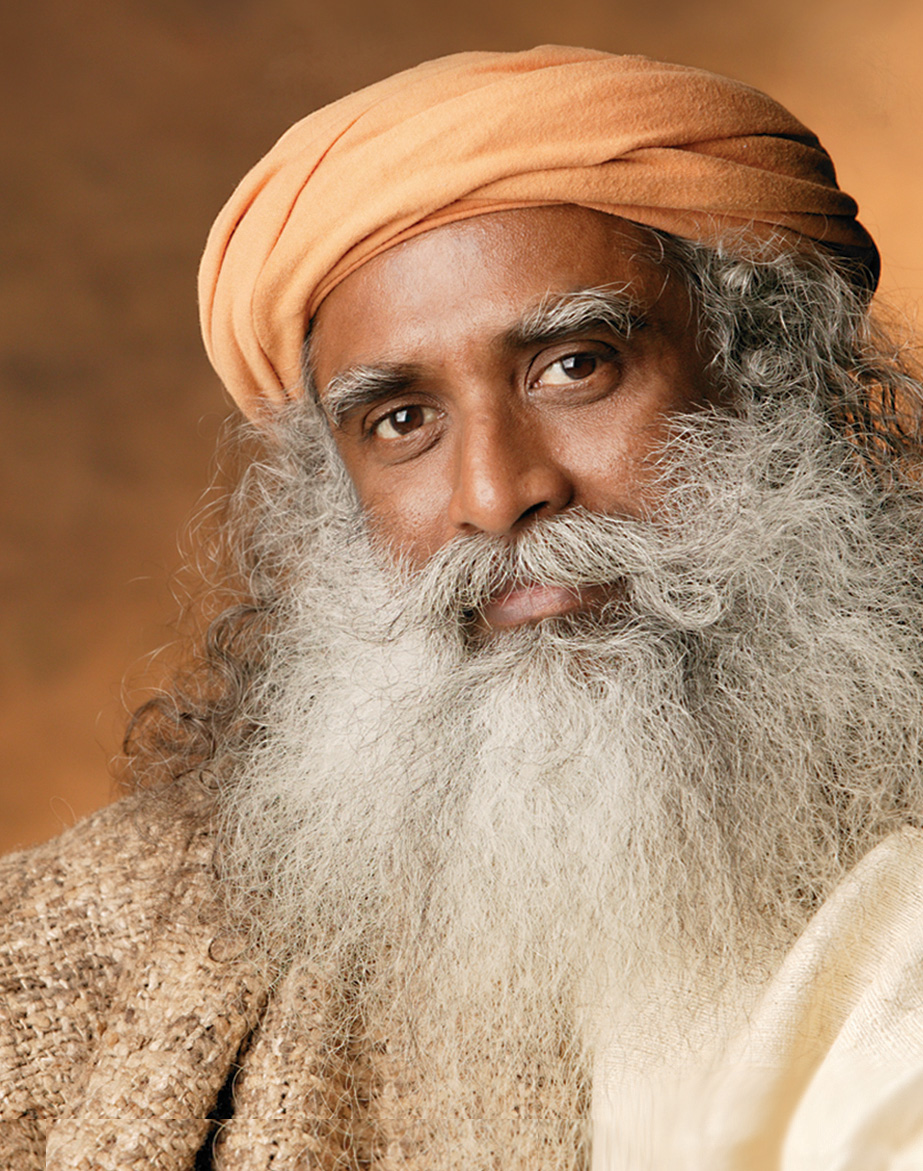
On the day of Deepavali, the tradition Sadhguru describes in this short clip holds that people are meant to worship Dhanvantari, the deity associated with one's health and well-being. Today, he says, the name has almost become a synonym for a doctor. The argument he builds in roughly ninety seconds is that the festival itself drifted the same way: a sacred word was worn down by the ordinary habits of speech until its meaning flipped from health to money. Nobody decided the change. The language did it, one clipped syllable at a time, and the result is that most people now hear the holiday as being about wealth.

Lesen · 5 Abschnitte

Who was Dhanvantari, and what was the festival supposed to honor?

Sadhguru's first claim is simple. Dhanvantari is "supposed to be the source of Ayurveda, the science of long and healthy lives." That single phrase carries the whole original meaning of the observance. The deity is not a patron of commerce or treasure. He is the figure tied to healing and to the long, well-lived body, and the day set aside for him is a day for attending to that. (0:09 and 0:20)

It is worth pausing on how strange this is for a modern listener. Most contemporary festivals of light are read through prosperity: lamps to welcome Lakshmi, new accounts opened, gold bought. Sadhguru is pointing at a layer underneath that reading, one in which the festival's first address was the body and its longevity. He is not saying the prosperity reading is invented from nothing. He is saying it sits on top of an older center that has been covered over.

How does a deity's name lose its meaning in everyday speech?

The mechanism Sadhguru offers is linguistic, and it is the most concrete idea in the clip. He observes that in northern India, where most people speak Hindi, the last syllable of a word is often dropped in casual use. He gives his own examples: "If you say Dhyanalingam, they'll say Dhyanaling. If you say Shiva, they'll say Shiv. If you say Rama, they'll say Ram." (0:34 to 0:49) He generalizes it: "The language has the habit of cutting off the last syllable always. Almost everything." He adds Krishna becoming Krishn and Deepavali becoming Diwali as further instances. (0:51 to 1:06)

"The language has the habit of cutting off the last syllable always. Almost everything." (Sadhguru, in the clip, 0:51)

Once you hear the pattern, the logic is easy to follow. Clipping is what speakers do when a word is familiar and used constantly. It is efficiency, not carelessness. But when the clipped form is then taken as the word, the original structure can get lost, and with it the meaning that structure carried. Sadhguru's point is that the habit that makes everyday speech smooth is also the habit that can quietly change what a sacred term refers to.

What happened to Dhanvantari and Trayodashi?

The specific damage, in his account, is a compound. The festival's name joined Dhanvantari with Trayodashi, the thirteenth lunar day, and that combined name was shortened. "So, someone cut this Dhanvantari and Trayodashi and made it Dhan Teria." (1:10) He then names the consequence directly: "What was about health became about wealth." (1:16)

The turn happens inside a single word. The first half of the sacred name, Dhan, is an ordinary word with a plain meaning. Sadhguru spells it out: "Dhan means money." (1:21) Once the name is heard as "Dhan" plus a familiar ending, the nearest available meaning is money, and the health-giving deity who gave the day its purpose recedes. The clip does not say when this clipping happened, and Sadhguru is candid about that: "I don't know when they did this." (0:27) What he is confident about is the mechanism and the result.

The result is what he sees everywhere now. "Now, everybody thinks Deepavali is about money." (1:24) That sentence is the hinge of the piece. It describes a common understanding, not a historical event, and the gap between what the festival was meant to honor and what people believe it honors is the problem he is naming.

Why does this matter beyond one holiday?

The clip is short, so it is tempting to file it as a fun fact about etymology. But the underlying idea reaches further. Festivals, like scriptures and devotional names, are carried across generations almost entirely by speech. Nobody reads a manual for how Dhanteras should be understood. People absorb it from the names they hear. If the name shifts in the mouth, the meaning shifts with it, and after enough repetition the older meaning is hard to recover without someone pointing to it.

This also explains why the correction Sadhguru offers is so direct. He is not arguing that wealth is forbidden or that the festival must be stripped of its present associations. He is restoring the older center: a day tied to Dhanvantari, to Ayurveda, to the science of long and healthy lives. The lamps and the commerce can remain. What he wants listeners to notice is that the observance once had a different first purpose, and that the word they use for it has been bending away from that purpose without anyone choosing to bend it.

For a reader, the practical takeaway is a habit of attention. When a familiar term sounds like a shortened version of something longer, it is worth asking what the full form was. Dhan is not just "money" in this story. It is the first half of a name that pointed toward health, and the clipped version erased the rest.

Where to go from here

Because this is a ninety-second clip, the best next step is to listen to it again with the examples in mind: Dhyanalingam to Dhyanaling, Shiva to Shiv, Krishna to Krishn, Deepavali to Diwali. Notice how many words you use in their clipped form and whether you know the longer version. From there, look into Ayurveda itself, which Sadhguru names as the science tied to Dhanvantari, and into the older meaning of Trayodashi, the thirteenth lunar day that sits inside the festival's original name. The clip gives you the outline of the story. The rest is worth reading in the original sources you trust, and then deciding for yourself what the day is for.

Comments

Loading the conversation…

Transcript

[0:00] On the Deepavali day, everybody's

[0:03] supposed to worship Dhanvantari,

[0:05] the deity dedicated to one's health and

[0:08] well-being.

[0:09] Today, the word Dhanvantari has almost

[0:12] become synonymous [music] with a doctor.

[0:16] Dhanvantari

[0:18] or the deity Dhanvantari is supposed to

[0:20] be the source of Ayurveda,

[0:22] the science of long and healthy lives.

[0:27] I don't know when they did this.

[0:30] Um because

[0:32] the nature of the language is like that.

[0:34] In northern India, most people [music]

[0:36] speak Hindi language,

[0:38] and the last syllable, they'll cut it

[0:40] off.

[0:42] If you say Dhyanalingam, they'll say

[0:44] Dhyanaling. If you say Shiva, they'll

[0:46] say Shiv. If you say Rama, they'll say

[0:49] Ram.

[0:50] >> [music]

[0:51] >> The language has the habit of cutting

[0:53] off

[0:55] the last syllable always.

[0:58] Almost everything.

[1:01] Krishna

[1:03] Krishn

[1:06] Deepavali Diwali

[1:09] language.

[1:10] So, someone cut this Dhanvantari and

[1:13] Trayodashi and made it Dhan Teria. What

[1:16] was about health became about wealth.

[1:21] Dhan means money.

[1:24] Now, everybody thinks Deepavali is about

[1:26] money.

[1:29] >> [music]

Sadhguru
ArtistSadhguru

Indian yogi, mystic, and founder of the Isha Foundation. Through his programs (Inner Engineering, Bhava Spandana, Samyama) and books, he has introduced millions worldwide to a cont…

Profil ansehenWebsite
Themen erkunden
DhanterasDhanvantariDeepavaliAyurvedaSanskrit-etymology

Hast du Fragen?

Häufig gestellte Fragen

According to Sadhguru in this clip, the name was shortened over time: Dhanvantari and Trayodashi were clipped into 'Dhan Teria,' and since 'Dhan' means money, the festival's meaning shifted from health to wealth. He says he does not know exactly when this happened.
Sadhguru describes Dhanvantari as the deity dedicated to one's health and well-being, and says he is supposed to be the source of Ayurveda, the science of long and healthy lives. Today the name has almost become synonymous with a doctor.
In this clip, Sadhguru explains that Dhanteras is a clipped form of Dhanvantari and Trayodashi. He notes that 'Dhan' means money, which is why the shortened name is now heard as a festival of wealth.
Sadhguru says that in northern India, where most people speak Hindi, the last syllable of a word is often cut off in everyday speech. He gives examples like Shiva becoming Shiv, Rama becoming Ram, and Krishna becoming Krishn, and says the language has this habit almost always.
Sadhguru cites Deepavali becoming Diwali as one example of the same clipping habit in spoken Hindi. The clip treats the two as the same festival heard in different spoken forms.
Sadhguru's point in this clip is that the everyday names for festivals can drift from their original meanings through speech. Looking at the full forms of the names, and at the traditions behind them such as Ayurveda and Trayodashi, helps recover the older purpose.

Weiterlesen

More from Sadhguru

Alle anzeigen
Why the Divine Is Always Near, Yet We Still Miss It
Inspire

Why the Divine Is Always Near, Yet We Still Miss It

Sadhguru argues the divine is always welling up in everything alive, and that our own defenses are the only barrier. Here is why vulnerabili…

8 min read
Embroidered Pillowcases and the Feminine Art of Beauty
Inspire

Embroidered Pillowcases and the Feminine Art of Beauty

Sadhguru recalls his mother turning a plain pillowcase into a green parrot in five minutes. He argues the feminine is what keeps life from b…

6 min read
Kirtan Camp in Costa Rica: Bhakti, Chant and the Blue Zone
Inspire

Kirtan Camp in Costa Rica: Bhakti, Chant and the Blue Zone

A week of kirtan, yoga and ocean swims at a Costa Rica retreat set for July 2027. This clip shows what Jai Uttal's camp is built to do: gath…

6 min read
Sita's Sacrifice: Why the Ramayana Story Changes Women's Place
Inspire

Sita's Sacrifice: Why the Ramayana Story Changes Women's Place

In a two-minute clip, Nina Rao argues that Sita's sacrifice in the Ramayana was a deliberate teaching about women's place in humanity, and a…

6 min read

Weiter erkunden

Setze deinen Weg fort

Mehr Weisheit und Zusammenkünfte aus dem BrightStar-Verzeichnis.

Mehr Artikel

Durchstöbere die ganze Bibliothek an Lehren, Interviews und Leitfäden.

Zu allen Artikeln →

Lehrer & Künstler

Entdecke die Linien, Musiker und Wegbegleiter der bewussten Welt.

Künstler erkunden →

Event finden

Kirtan, Retreats, Klangbäder, Atemarbeit, Festivals — bald in deiner Nähe.

Events ansehen →