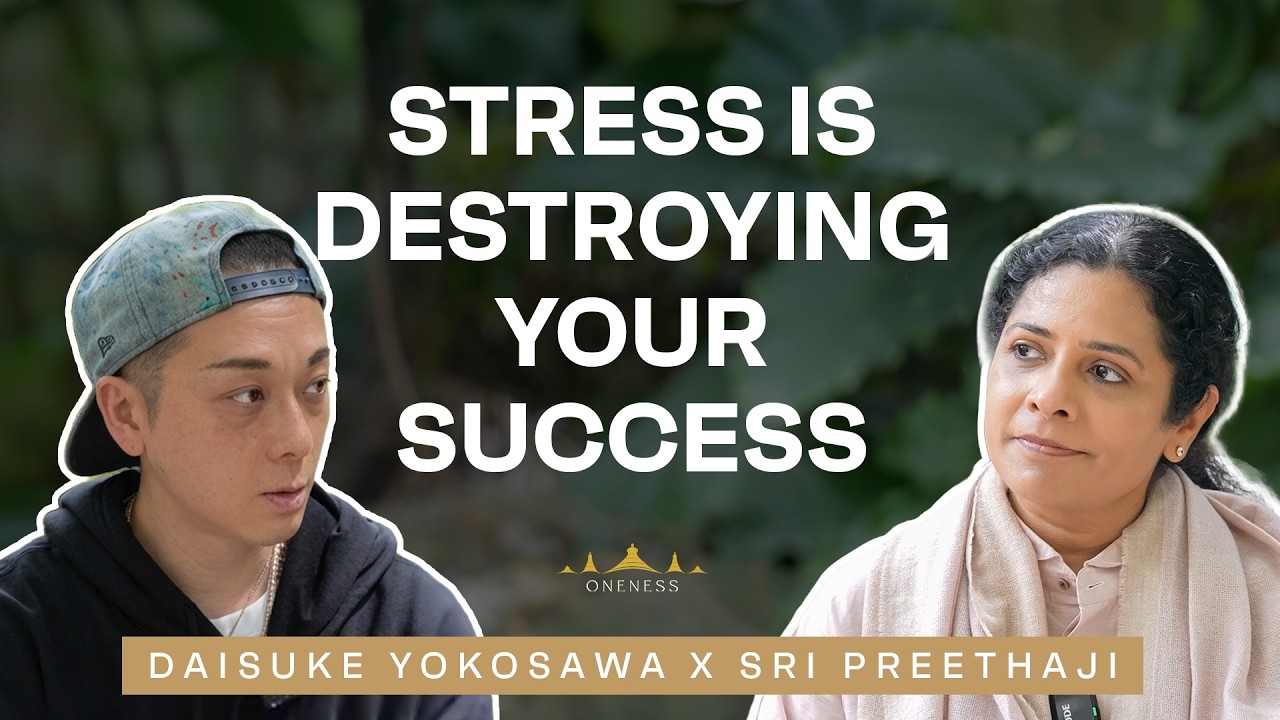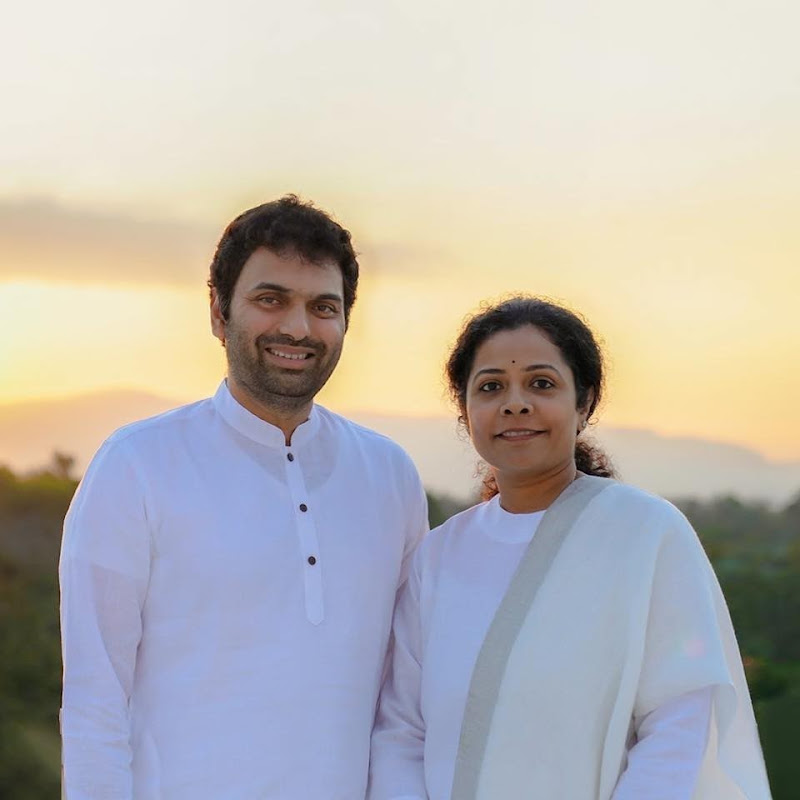
Sri Krishnaji, an enlightened master in the Oneness Movement, discusses his central principle that "every day spent in suffering is a wasted day and every day spent in a beautiful state is a life truly well lived." The talk explores what it means to live consistently in a beautiful state, how suffering erodes the quality of existence regardless of external achievements, and what becomes possible when consciousness shifts away from reactive states toward sustained wellbeing and clarity.
What Does It Mean to Call a Day "Wasted" When Spent in Suffering?
Sri Krishnaji's statement challenges a common assumption: that a day is only "wasted" if you fail to accomplish external goals or tasks. Instead, he points to an interior quality that matters far more—the state of consciousness you inhabit throughout your day. When you spend hours, days, or years in suffering—whether from stress, anxiety, resentment, or emotional pain—you are, according to this perspective, fundamentally squandering the gift of existence, regardless of what you achieve.
This reframes productivity and success. You could close major business deals, complete important projects, or earn significant income, yet if these accomplishments come at the cost of internal peace and wellbeing, the fundamental quality of your life has been compromised. Conversely, a day spent in ease, clarity, and peace—even if relatively "unproductive" by conventional measures—constitutes a day genuinely well lived. The suffering state itself becomes the measure of waste, not the lack of external accomplishment.
This distinction matters because most people externalize their happiness, waiting until they achieve certain goals before permitting themselves to feel good. Sri Krishnaji's teaching inverts this: the internal state is primary, and it determines whether each day has real value.
How Does Suffering Distort Your Experience of Life?
Suffering—whether acute or chronic—acts as a filter through which you perceive and engage with reality. When you are stressed, anxious, or emotionally reactive, your nervous system is in a contracted state. This contraction limits your capacity for clarity, creativity, and genuine connection with others. You become reactive rather than responsive; decisions made from a state of suffering typically carry the imprint of that state.
From an Oneness perspective, suffering is not primarily about circumstance. Two people in identical situations may experience radically different internal states based on their consciousness, their patterns of interpretation, and their psychological conditioning. One person may spiral into despair while another maintains equanimity. This points to something crucial: the quality of your day is not determined by external events alone, but by the inner state you bring to those events.
When Sri Krishnaji speaks of living as an enlightened master in a beautiful state, he is describing a consciousness that has been liberated from the automatic reactivity that keeps most people trapped in cycles of suffering. This is not spiritual bypassing—denying or suppressing real pain—but rather a fundamental shift in how the mind and nervous system relate to experience.
What Is a "Beautiful State" as an Enlightened Being Experiences It?
For Sri Krishnaji, a beautiful state is not a fleeting positive emotion or temporary happiness dependent on circumstances going your way. Instead, it appears to be a baseline of consciousness characterized by several qualities:
- Clarity and presence: An ability to perceive reality without the distorting lens of fear, expectation, or defensive reactivity.
- Natural wellbeing: A sense of okayness or peace that doesn't require external conditions to be perfect to exist.
- Responsiveness rather than reactivity: The capacity to meet life's challenges from a place of centeredness rather than compulsion or panic.
- Genuine connection: An openness to others that isn't obscured by emotional guardedness or self-protective patterns.
- Creativity and aliveness: A sense of engagement with life that feels alive rather than burdened.
Importantly, an enlightened being like Sri Krishnaji does not claim to be perpetually in a state of bliss or exempted from life's difficulties. Rather, they maintain access to this beautiful state even when navigating challenges, setbacks, or emotional content. The state itself is stable and not contingent on everything being pleasant.
How Does Stress Dissolution Connect to Spiritual Awakening?
The Oneness Movement's teaching incorporates practical emphasis on dissolving stress and suffering as part of a larger spiritual development. This is significant because it refuses to separate inner peace from engagement with real life. You don't achieve a beautiful state by withdrawing from the world; you achieve it by transforming your relationship to stress, adversity, and emotional reactivity while remaining fully engaged.
When stress and suffering are chronic, they become invisible—they feel like the baseline of normal existence. One key shift Sri Krishnaji's teaching offers is the recognition that this suffering is not inevitable, not intrinsic to being human, and not required for success or moral development. It is a state that can be deliberately dissolved through shifts in consciousness and practice.
This has practical implications: when you stop running your life from a place of chronic stress, you access better decision-making capacity, more stable relationships, and paradoxically, greater effectiveness in the world. Suffering is not what drives success; clarity and presence do.
What Does "Relationship and Wealth Abundance" Have to Do With Internal State?
Sri Krishnaji's framework connects the beautiful state directly to relationship and material wellbeing, suggesting these are not separate domains. When you are in a beautiful state—clear, present, and emotionally available—you naturally relate to others with greater authenticity and openness. You listen better, you're less defensive, and you can respond to others' needs with genuine generosity rather than transactional calculation. This tends to deepen relationships and create more genuine intimacy.
Wealth and material abundance also shift when consciousness shifts. A person operating from stress and scarcity thinking tends to make decisions driven by fear and desperation, which often backfire. Someone in a beautiful state can assess opportunities more clearly, make decisions from confidence rather than desperation, and attract opportunities through the quality of their presence and thinking. The outer abundance is, from this view, a natural reflection of inner abundance.
This doesn't mean enlightened people automatically become wealthy, but rather that the beautiful state removes psychological blocks that often prevent people from thriving materially and relationally.
Can Everyone Access a Beautiful State, or Is This Only for Advanced Spiritual Practitioners?
Sri Krishnaji's teaching, as presented through the Oneness Movement, suggests that the capacity for a beautiful state is not limited to rare individuals. The movement emphasizes that through understanding, practice, and shifts in consciousness, anyone can progressively dissolve their habitual suffering patterns and access states of greater peace and clarity.
This is why the Oneness Global Summit offers practical engagement with these teachings—the implication is that this is not esoteric knowledge reserved for monastics or advanced meditators, but a possibility available to people living ordinary lives, working, in relationships, navigating financial pressures and family dynamics.
The path is one of progressive awakening, where even small shifts in awareness—recognizing when you're trapped in suffering, understanding that alternatives exist, beginning to practice responding differently—compound over time into more sustained access to a beautiful state.
Where to Go From Here
If Sri Krishnaji's principle resonates—that the quality of your inner state determines whether a day is truly well-lived—the next step is honest self-observation. Notice the days you spend in suffering or stress, and observe what that actually costs you, beyond accomplishment metrics. Notice moments when you do access a beautiful state, however briefly, and recognize that such states are not luck or privilege, but accessible through consciousness itself.
Explore what dissolving your own stress patterns might require: perhaps deeper self-understanding, perhaps shifts in how you interpret events, perhaps support from a community or teaching that can reflect back possibilities you haven't yet recognized. The Oneness Movement's emphasis on both inner work and practical abundance suggests that living in a beautiful state is not about renouncing the world, but about relating to it from a fundamentally different level of consciousness.