Killa Fonic's "Dalai Lamă" is a 2017 Romanian hip-hop track that employs religious and spiritual imagery—particularly the title's reference to the Dalai Lama—as a vehicle for aggressive wordplay, social critique, and assertions of artistic superiority. The song uses bodily humor, metaphorical violence, and dense metaphors about consumption and transformation to expose contradictions between spiritual pretense and material excess. Rather than a serious engagement with Buddhism or spirituality, the track weaponizes these references to critique hypocrisy and assert dominance within the hip-hop landscape.
What is "Dalai Lamă" really about?
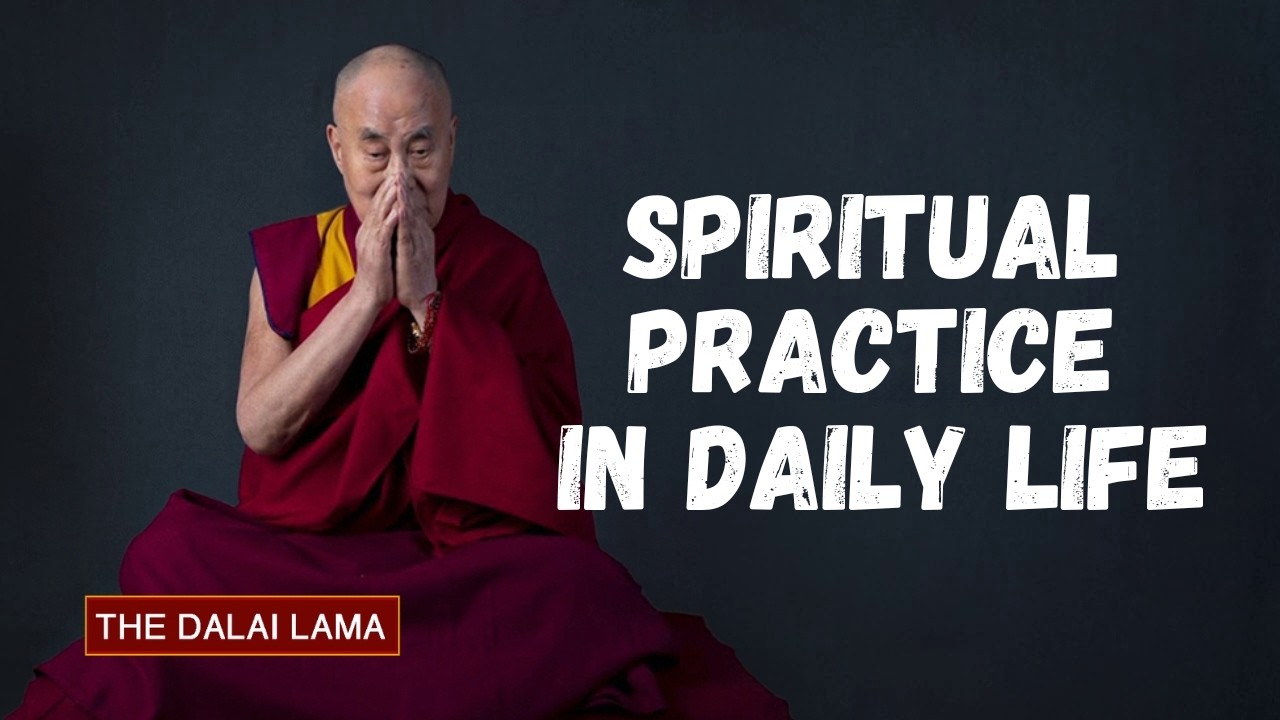
The title itself is a deliberate misspelling or homophone play on the Dalai Lama's name, collapsing the Tibetan Buddhist spiritual leader into a Romanian slang term ("lamă" relates to "lag" or slackness in colloquial usage). This creates immediate cognitive dissonance—setting spiritual reverence against crude materiality. The track doesn't genuinely explore Buddhist philosophy or the Dalai Lama's teachings; instead, it uses the borrowed authority of the name to amplify its own provocative content.
The repeated refrain "Dalai Lamă da" (Yes, Dalai Lama) becomes a mantra-like chant that ironically mirrors the meditative quality of spiritual practice while the lyrics themselves describe hedonism, territorial control, and verbal domination. This inversion—using a spiritual figure's name as a launching pad for materially excessive and aggressive content—is the core tension that gives the song its shock value and cultural resonance.
How does the song use bodily and violent metaphor?
Killa Fonic's lyricism relies heavily on metaphors of transformation, consumption, and internal destruction. The line "Fluidific sângele cu sirop și bag pula în carne" (I liquefy blood with syrup and stuff cock in meat) collapses distinctions between the body as vessel and the body as object to be consumed or desecrated. These are not literal descriptions but hyperbolic assertions of power over physical space and material reality.
The phrase "Bagabont cu coaie grase cat Buddha și am foame" (I'm Bagabont with fat balls like Buddha and I'm hungry) again invokes the Buddha figure—this time explicitly—not for spiritual guidance but as a reference point for excess, appetite, and size. The Bagabont figure in Romanian folklore is a wanderer or troublemaker, suggesting the speaker positions himself as an outsider or disruptor. The invocation of spiritual figures becomes a way to contrast their asceticism with the speaker's explicit materialism and appetite.
Throughout the verses, verbs of cooking, drowning, and transformation dominate: "se îneacă" (drowns), "coacem" (we cook/bake), "Halim-halim tot ce-i pe tavă felia o întoarcem" (We flip every slice on the platter). These suggest the artist's role as someone who controls transformation—who can take raw material (physical, social, or linguistic) and reshape it into something new and potent.
What is the song's relationship to crew and territory?
The track explicitly names crews and communities: "Banda Benzito," "Nino," "Cioară," and repeatedly asserts "Seek familia e protejată în toată țara" (The Seek family is protected throughout the country). This moves the song beyond individual boasting into collective territorial claim-making. The artistic collective becomes a protective force with geographic reach.
The line "Bag iarbă, nu coca / Bag sirop cu sor-ta, Bag sirop cu Fanta" (I bag grass, not coke / I bag syrup with my sister, syrup with Fanta) introduces coded language around substances and social bonding. Whether literal or metaphorical, these lines establish in-group knowledge and suggest an alternative economy or value system distinct from mainstream drug culture. "Iarbă" (grass/weed) contrasts with "coca" (cocaine), positioning the speaker within a particular subcultural vernacular.
How does the bridge extend the song's philosophical tension?
The bridge—"Furnicile fac insule și nu se îneacă în apă / Unii se îneacă în propriu' scuipat plini de ură Cioară" (Ants make islands and don't drown in water / Some drown in their own spit full of hate, Cioară)—is a moment of actual philosophical reflection. It moves from individual boasting to observation about collective behavior and self-destruction.
The image of ants creating islands suggests purposeful collective action, organization, and survival despite environmental threat. This contrasts sharply with those who "drown in their own spit full of hate"—self-destructive individuals who are consumed by negativity rather than purpose. The bridge suggests that the song's aggressive posturing is partly a critique of wasted potential and misdirected energy. Those full of "ură" (hate) are drowning in their own waste, while the organized collective (the crew, the familia) builds structures that persist.
What cultural moment does this song occupy?
"Dalai Lamă" was released in February 2017 during a period of significant growth in Romanian hip-hop's mainstream visibility. Killa Fonic was positioning himself as a provocateur willing to weaponize spiritual and cultural references for shock and artistic assertion. The production credits—PRNY on instrumental, Lu-K Beats on production and engineering—locate the track within a specific professional network of Romanian producers invested in high-quality hip-hop instrumentation.
The Seek Music label's investment in the track (recorded, mixed, and mastered at their facilities) indicates institutional backing for deliberately provocative content. The explicit copyright notice at the end—"Unauthorized reproduction is a violation of applicable laws"—frames the song as protected intellectual property, ironically treating provocative speech as something requiring legal protection rather than suppression.
Why invoke the Dalai Lama at all?
The Dalai Lama is globally recognized as a symbol of spiritual authority, wisdom, compassion, and detachment from material excess. By naming the song after him while flooding the lyrics with crude materialism, violence, and territorial aggression, Killa Fonic creates maximum cognitive friction. The listener cannot reconcile the title with the content, which is precisely the point.
This technique—borrowing the gravitas of a spiritual figure to amplify the impact of profane or aggressive speech—suggests that the artist views spiritual pretense with skepticism. If the Dalai Lama's name can be so easily detached from his actual teachings and repurposed for hip-hop boasting, what does that say about how readily spiritual authority is deployed and discarded in contemporary culture?
The song doesn't offer a sustained argument about Buddhism, meditation, or enlightenment. Instead, it uses the spiritual register as a foil, a contrast that makes the material, bodily, territorial dimensions of the track feel sharper and more provocative by proximity.
Where to go from here
To understand "Dalai Lamă" more deeply, explore how hip-hop globally uses religious and spiritual imagery as rhetorical tools—examine tracks that invoke Jesus, Krishna, Allah, or other figures not for genuine doctrinal reasons but to amplify their own authority or provoke reaction. Consider too the relationship between crew-based hip-hop (as opposed to solo artistry) and territorial claims; the emphasis on "familia" and collective protection is central to hip-hop's roots in gang culture and neighborhood identity.
For those interested in Romanian hip-hop specifically, Killa Fonic's catalog offers further examples of how Eastern European hip-hop communities adapt American genres to local language, slang, and social structures. The dense wordplay and coded references in "Dalai Lamă" rely on fluency in Romanian vernacular and subcultural knowledge—they don't translate cleanly, which is part of their power within their intended community.
Finally, reflect on the gap between a song's title and its content. What does it mean when artists borrow the names of peace-oriented spiritual teachers to frame songs about aggression and excess? Is this critique, desecration, playfulness, or something else entirely?