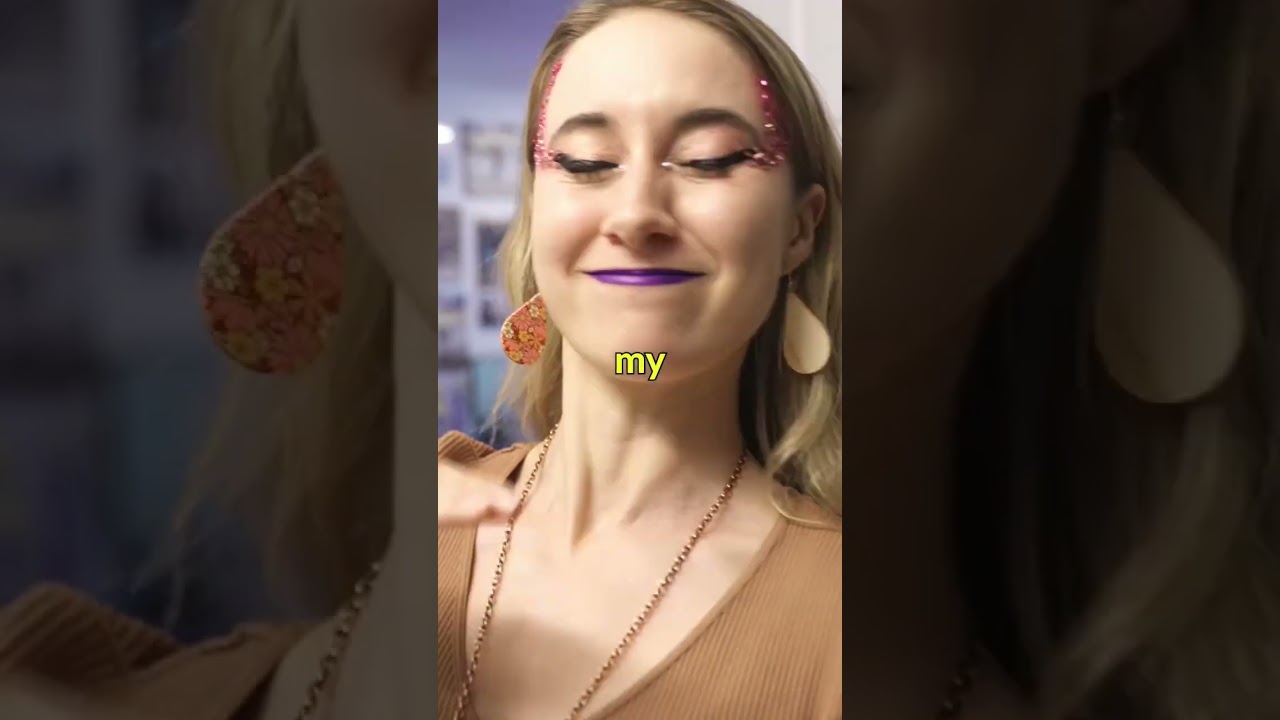
Barefoot Sue, a 65-year-old grandmother and viral TikTok creator, has walked barefoot for 12 years and completed the Camino Trail in Spain 29 times, often barefoot. In this video, she takes fellow explorer Sky Cowans through "Barefoot Bootcamp," a series of challenges designed to teach the body and mind how to rewild domesticated feet. Through public walking, nature immersion, and sensory practice, Sue shares how barefoot living reduces inflammation, strengthens foot proprioception, shifts awareness, and reconnects humans to the earth and their authentic selves. The philosophy underlying her practice is simple: reframe foot sensations from "pain" to "sensation," and understand that feet are designed for direct earth contact, not lifelong enclosure in shoes.
Sue's transformation to barefoot living began with a pivot moment. After working in the corporate world—where she cultivated a shoe fetish and bought new shoes in every city she visited—she lost her job in telecommunications. Rather than scramble for another corporate position, Sue decided to take a long walk. She had heard of the Camino, a pilgrimage trail across northern Spain, and left five weeks later to walk 500 miles alone in winter. "With each step I took forward I walked back to my authentic self," she reflects. "And I discovered that everything I needed was within me."
Since that first journey, Sue has walked the Camino 29 times, completing about 15 of those walks barefoot over the last 12 years. This wasn't a casual decision—it was a fundamental rewiring of how she relates to her body and the earth. The turning point came during a moment of stillness by water. Sue removed her shoes and socks and placed her bare feet on a rock. "As soon as my bare feet touched the rock, there was a surge of energy that went through my body," she recalls. In that moment, she understood her life's work: to bring people back to nature in their bare feet so they could reconnect with the earth and themselves.
Sue introduces the concept that barefooting is not simply going without shoes—it is a skill to be learned and refined. "You're going to learn how to wear bare feet," she tells Sky at the start of Barefoot Bootcamp. "You're going to learn about how to rewild your feet because they've been in shoes, they've been domesticated."
The first mental shift is linguistic. Sue insists: never use the word "pain" when describing barefoot sensations. Instead, reframe discomfort as simple sensation traveling from your feet to your brain. "Our feet are designed to be barefoot, but we live in a society that has domesticated them," Sue explains. "We start to undo the idea that barefooting is painful and think of it as a sensation going to your brain. Now we have something to work with."
This reframing is not mere positive thinking—it reflects a neurological reality. When you stop labeling a sensation as painful, your nervous system processes it differently. You can then observe the sensation, learn from it, and adjust your movement accordingly. This is how feet rebuild proprioception (spatial awareness) after years in shoes.
Sue structures the day around concrete challenges that move from discomfort zones to natural immersion. The first challenge: walking into Walmart barefoot. This is not about physical toughness but about psychological resistance and social conditioning. Sky experiences the unease many feel—the stares, the self-consciousness. Sue had endured the same early on. "When I first started going barefoot, I was extremely uncomfortable. I was kind of embarrassed to be out in public in my bare feet. Everybody stared at me, everybody laughed at me."
Why persist? Sue's answer reveals her philosophy: "The reason why I wanted to keep doing it is because fundamentally I believe that I should have a choice. I should be able to choose whether I want to wear shoes or not." She used her visible barefoot presence to demonstrate that it is legal to go barefoot and to share the benefits with those she encountered. Over time, the internal resistance dissolved.
The second challenge moves into nature. Sue leads Sky to a lake, where the sensory environment shifts dramatically. Here, the contrast becomes vivid: Walmart felt dark, dingy, and disconnected. People were masked, spacey, on missions. At the lake, immediately there is aliveness. Eye contact. Presence. "You feel like you're a part of something bigger than yourself," Sky observes. Sue guides him to feel the soles of his feet connected to the ground, to sense the earth's temperature, and to practice what she calls "pachamama"—connection to the great mother.
A third challenge emerges unexpectedly when prickly devil thorns attack Sky's feet on the path. His foot bleeds. "My foot's bleeding," he says. Sue calmly navigates him backward onto safer ground and treats the wound. This is real barefooting: not invulnerability, but responsiveness and adaptation. Later, they encounter a bathroom with a visibly dirty floor—a test of what truly bothers the body versus what is merely psychological resistance.
Sky had previously conducted a week-long barefoot experiment focused on earthing, also called grounding. Earthing is the simple practice of placing bare feet on the earth. Scientific research has now documented that this contact helps reduce inflammation in the body. When your feet contact soil, grass, or rock, electrons transfer from the earth to your body, neutralizing free radicals and reducing systemic inflammation. This is not mystical—it is electrochemical.
Sue's practice of barefoot walking on the Camino and in daily life is thus not only psychological or spiritual, but also physiological. Every step barefoot is an anti-inflammatory act. The foot's 26 bones, 33 joints, and over 100 muscles and tendons activate and strengthen. The dense network of nerve endings in the sole sends continuous feedback to the brain, recalibrating your sense of balance, posture, and spatial awareness.
At one point in the video, Sue and Sky do a foot check. Sue's feet show obvious adaptation: toughened skin on the soles, visible "lifelines" (the natural creases that deepen with use), and an overall appearance of strength and presence. The skin is not raw or damaged, but rather refined and resilient. This is what rewilded feet look like.
The transformation is not instantaneous. It takes time for nerve endings to recalibrate, for calluses to form in protective ways, and for the foot's intrinsic muscles to rebuild. But the result is feet that are more responsive, more proprioceptively aware, and more deeply connected to the ground beneath you. Importantly, this is not the same as the thick, insensitive calluses that can develop on feet that wear shoes. Barefoot feet develop sensitivity within strength.
As Sky and Sue walk through a forest and wetland area, Sue teaches him to track sensations. "Feel the soles of your feet connected to the ground. Feel the temperature of the earth. Notice the feeling of groundedness." She encourages him to observe: Is the ground wet? Rough? Soft? These are not passive observations but active conversations between your body and the living earth.
"You will learn things from barefooting that you can't learn in a book," Sue tells him. "It just comes to you." When they encounter mud and clay, Sue describes the sensation: "Squish between your toes, it's like clay." This sensory richness is what shoes remove. Shoes insulate you from the earth's texture, temperature, and aliveness. Barefoot walking restores the dialogue.
The wetland presents another learning: how to lift your feet to avoid injury while still maintaining contact. Sue instructs Sky: "Lift your feet up when you're walking through anything like this that way you won't hurt your foot." And then the nuanced instruction on weight transfer: "And then move your weight." Each footfall becomes a micro-practice in presence and proprioceptive awareness.
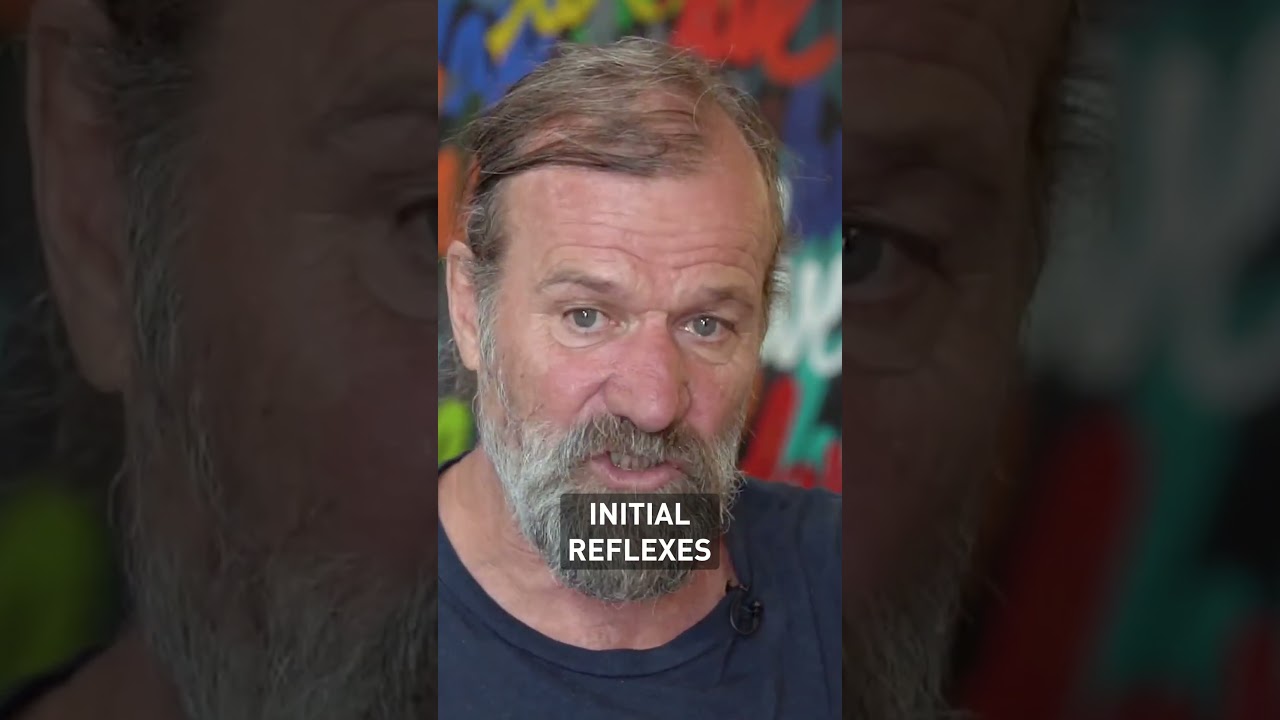
Sue is also a certified Wim Hof instructor, having trained in Poland. She was one of six women in a group of 50-plus men—a testament to her commitment and resilience. The Wim Hof Method emphasizes cold exposure, breathwork, and mental resilience. These practices dovetail with barefoot living: both train the nervous system to remain calm and responsive under stress, both rebuild trust in the body's natural capabilities, and both strip away unnecessary layers of protection to reveal innate strength.
Beneath the biomechanics and sensory training lies a spiritual underpinning. Sue frames barefoot living as a return to wholeness and authenticity. The Camino walks were explicitly spiritual journeys. "I walked back to my authentic self," she says. "And discovered that everything I needed was within me."
The connection to "Pachamama," the great mother in indigenous Andean cosmology, is not symbolic only. For Sue, touching the earth directly is a form of communication, a way of receiving wisdom that exists in nature itself. "By connecting to her, we can also gain her wisdom." This wisdom comes not as information but as lived experience—the felt sense of belonging to something larger than the individual self.
Sue also reflects on the state of modern humanity with clear eyes. When discussing the contrast between the disconnected energy in Walmart and the aliveness in nature, she notes: "I think about humanity and the state that we're in. When you're in those kinds of environments, and then you come out and you're actually barefoot and you realize what you're stepping on." The earth itself becomes a mirror for what we have forgotten about ourselves.
Sue's bootcamp suggests a practical progression. Start indoors or in a safe, controlled environment to let your feet adjust. Then venture into public spaces—not to prove anything, but to practice psychological resilience and to normalize barefoot living. Move progressively to natural environments: grass, then trails, then more challenging terrain. Throughout, practice the mental shift from "pain" to "sensation." Notice what your feet tell you. Lift your feet mindfully. Feel the earth's temperature and texture.
Sue also emphasizes that barefoot living is a choice—and that choice itself is the point. "I fundamentally believe that I should have a choice. I should be able to choose whether I want to wear shoes or not." This is not asceticism or rejection of shoes as evil. It is reclamation of bodily autonomy and reconnection with the earth as a fundamental human right and capability.
If you are interested in barefoot living and rewilding your feet, start small. Remove your shoes in a safe space—indoors, in your home. Notice the sensations. Let your nervous system adjust. Then practice outdoors on grass or soft earth. Gradually increase complexity and duration. Track your experience not as pain tolerance but as sensory awareness building. If you want to deepen your practice, Sue's books and online resources provide guidance. Consider the Camino as an ultimate barefoot pilgrimage—Sue has walked it 29 times and can attest to its transformative power. Most importantly, remember Sue's core teaching: your feet are designed for earth contact. Rewilding them is not a trend but a return to your natural state. The earth is waiting to speak to you through the soles of your feet.