
The Challenge of Staying Open in a Connected World
In an era defined by 24-hour news cycles, social media connectivity, and global awareness of suffering, spiritual practitioners face an unprecedented challenge: how to keep our hearts open without becoming overwhelmed, hardened, or paralyzed by the pain we witness. This profound question forms the foundation of Sharon Salzberg's powerful new series, "Engaged Compassion," launched on the Metta Hour podcast.
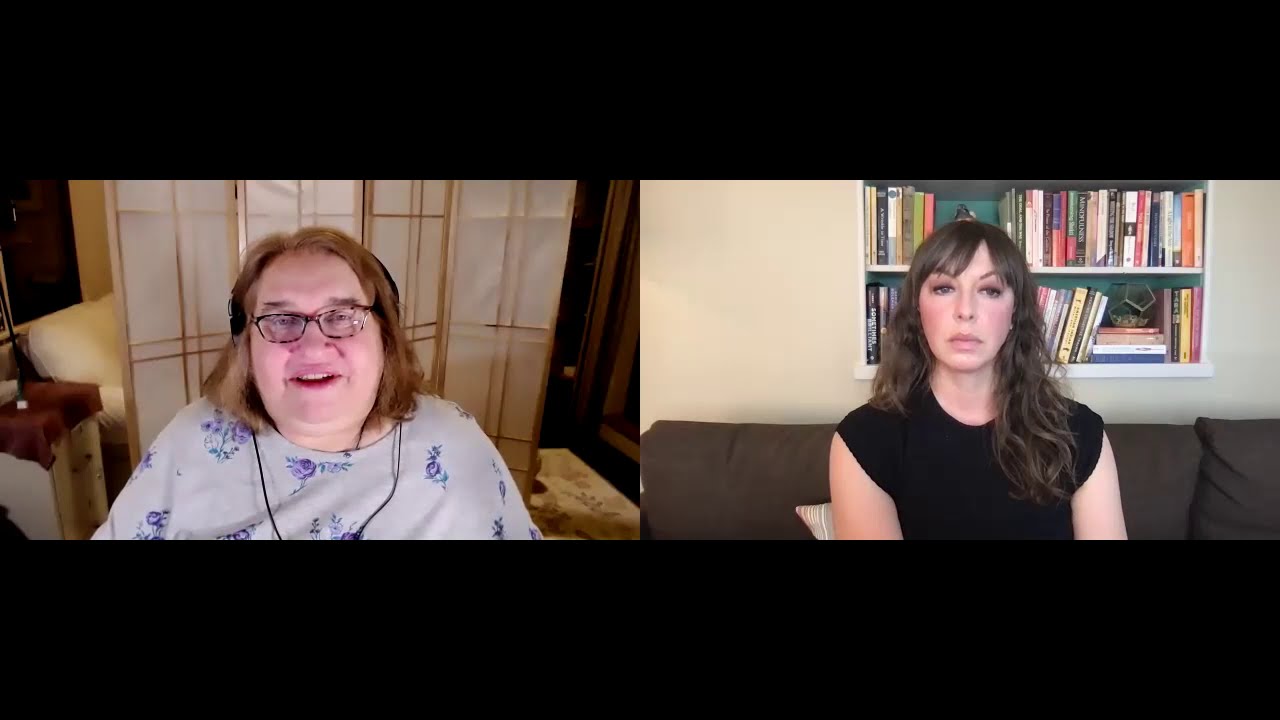
The inaugural episode features a compelling conversation with Jerry Colonna, Co-founder and CEO of Reboot.io, renowned coach, and expert in radical self-inquiry. Together, they explore how ancient Buddhist wisdom can guide us through modern complexities, offering a path that honors both our sensitivity and our strength.
The Buddha's Path in Today's World
The Buddha taught a path of awakened living, but what does this look like when we're constantly bombarded with information about global crises, personal struggles, and collective trauma? As Sharon Salzberg explains through her series introduction, the challenge isn't simply about practicing compassion in isolation—it's about that responds skillfully to the world's needs.
This conversation with Jerry Colonna illuminates how we can bridge the gap between contemplative practice and active engagement. The discussion reveals that true doesn't require us to become numb to suffering, but rather to develop the capacity to hold pain and joy simultaneously without losing our center.
Radical Self-Inquiry as a Foundation
Jerry Colonna's expertise in radical self-inquiry provides a crucial framework for understanding how personal transformation serves collective healing. His approach, deeply influenced by Buddhist principles, suggests that the work of opening our hearts begins with honest examination of our own patterns, triggers, and defensive mechanisms.
"With all that's going on in the country, around the world, so much widespread suffering, as well as our kind of constant connection through social media, through the 24-hour news cycle," the challenge becomes maintaining without becoming consumed by the chaos.
This self-inquiry isn't selfish—it's essential preparation for effective action. When we understand our own reactions to suffering, we can respond rather than react, offering our gifts to the world from a place of stability rather than overwhelm.
The Paradox of Pain and Joy
One of the most profound aspects of this conversation centers on navigating the paradox of holding both pain and joy without mistaking suffering for punishment or personal failure. This teaching directly challenges common misconceptions about that suggest awakened beings somehow transcend difficult emotions.
Instead, Salzberg and Colonna explore how mature spiritual practice involves developing the capacity to feel deeply while maintaining perspective. This doesn't mean spiritual bypassing or positive thinking—it means cultivating the resilience to stay present with reality as it is, including its painful aspects.
Beyond Spiritual Bypassing
The conversation addresses a critical issue in contemporary spirituality: the tendency to use spiritual concepts to avoid difficult emotions or social responsibilities. True requires us to face both personal and collective shadows while maintaining our commitment to healing and growth.
This balanced approach acknowledges that suffering isn't always meaningful or transformative—sometimes it's simply suffering that requires our compassionate response. The wisdom lies in discerning when to accept, when to act, and when to seek support.
Wisdom-Infused Compassion
Perhaps the most practical teaching from this episode concerns how to infuse our compassion with wisdom and perspective. Compassion without wisdom can lead to burnout, codependency, or ineffective action. Wisdom without compassion can become cold and disconnected from human needs.
The integration of these qualities—what Buddhist tradition calls "skillful means"—enables us to find genuine agency in taking meaningful action within our communities. This might manifest as:
- Setting healthy boundaries while remaining available to serve
- Choosing specific causes for focused engagement rather than trying to address every issue
- Developing through regular contemplative practice
- Building sustainable rhythms of action and restoration
- Cultivating community support systems for long-term engagement
Practical Applications for Daily Life
The teachings explored in this conversation offer concrete guidance for navigating daily challenges. Whether we're processing personal grief, responding to community needs, or witnessing global crises, the principles of engaged compassion provide a roadmap for skillful action.
Morning Practice
Beginning each day with that includes both self-compassion and loving-kindness for others creates a foundation of stability. This practice helps us approach the day's challenges from a centered place rather than reactive overwhelm.
Media Consumption
The conversation implicitly addresses how to engage with news and social media mindfully. Rather than complete avoidance or compulsive consumption, engaged compassion suggests conscious engagement—staying informed enough to respond intelligently while protecting our mental and emotional well-being.
Community Engagement
Finding sustainable ways to contribute to collective healing becomes possible when we understand our own capacity and gifts. This might involve volunteering, advocacy, artistic expression, or simply being a stabilizing presence in our immediate community.
The Leadership Dimension
Jerry Colonna's background in leadership coaching adds another dimension to this exploration. The principles of engaged compassion apply not only to personal practice but to how we lead families, organizations, and communities through challenging times.
Leaders practicing engaged compassion model how to stay present with difficulty while maintaining hope and vision. They demonstrate that vulnerability and strength can coexist, and that acknowledging pain doesn't require abandoning joy or possibility.
Building Resilience for the Long Path
The conversation ultimately points toward building resilience for what Salzberg and Colonna recognize as a long-term commitment. Social transformation, like personal awakening, unfolds over time and requires sustained effort supported by wisdom and community.
This perspective helps practitioners avoid the trap of expecting immediate results or becoming discouraged by the persistence of suffering. Instead, engaged compassion cultivates the patient determination necessary for meaningful change while finding joy and renewal along the way.
Conclusion: A New Model for Spiritual Engagement
The launch of Sharon Salzberg's "Engaged Compassion" series, beginning with this profound conversation with Jerry Colonna, offers a new model for how contemporary spiritual practitioners can engage meaningfully with world challenges. Rather than choosing between contemplative withdrawal and overwhelming activism, this approach suggests a middle path that honors both and outer service.
The teachings explored in this episode remind us that keeping our hearts open in difficult times isn't about maintaining artificial positivity or absorbing everyone else's pain. Instead, it's about developing the capacity to stay present, respond skillfully, and contribute our unique gifts to the healing of our world.
As we face an uncertain future filled with both challenges and opportunities, the wisdom of engaged compassion offers hope grounded in practical guidance. By integrating these teachings into our daily lives, we can become sources of stability and healing in our communities while continuing to grow in .
Key Takeaways
- True spiritual practice involves staying present with both pain and joy without becoming hardened or overwhelmed
- Radical self-inquiry serves as the foundation for effective engagement with collective challenges
- Compassion must be balanced with wisdom to avoid burnout and ensure sustainable service
- Engaged Buddhism offers a middle path between contemplative withdrawal and overwhelming activism
- Personal transformation and social action are interconnected aspects of awakened living
- Setting healthy boundaries while remaining available to serve is essential for long-term engagement
- Building community support systems enables sustainable compassionate action over time
Frequently Asked Questions
What is engaged compassion and how does it differ from regular compassion?
Engaged compassion combines heartfelt caring with wisdom and skillful action. Unlike compassion that might lead to overwhelm or burnout, engaged compassion includes clear boundaries, sustainable practices, and strategic thinking about how to most effectively serve others and address suffering.
How can I stay informed about world events without becoming overwhelmed?
Practice mindful media consumption by setting specific times for news, choosing reliable sources, balancing difficult news with positive content, and maintaining regular spiritual practices that help you process information from a centered place.
What role does self-inquiry play in helping others?
Self-inquiry helps us understand our own reactions, triggers, and patterns so we can respond to others from clarity rather than our own unprocessed emotions. This makes our service more effective and sustainable while preventing projection of our issues onto those we're trying to help.
How do I know if I'm practicing spiritual bypassing versus healthy detachment?
Spiritual bypassing uses spiritual concepts to avoid difficult emotions or responsibilities, while healthy detachment involves feeling emotions fully but not being overwhelmed by them. Healthy detachment leads to appropriate action, while bypassing often leads to avoidance or inaction.
Can compassion practice help with leadership challenges?
Yes, compassion practice develops emotional intelligence, resilience, and the ability to stay present under pressure—all crucial leadership qualities. It also helps leaders model how to handle difficulty with grace while maintaining vision and hope.
How do I maintain hope when facing overwhelming global problems?
Focus on your sphere of influence, celebrate small victories, connect with like-minded community, maintain spiritual practices that renew your perspective, and remember that transformation happens gradually through consistent, compassionate action.
What's the difference between holding space for suffering and taking on others' pain?
Holding space means being present and supportive while maintaining your own center and boundaries. Taking on others' pain involves absorbing their emotions as if they were your own, which leads to overwhelm and reduces your ability to help effectively.