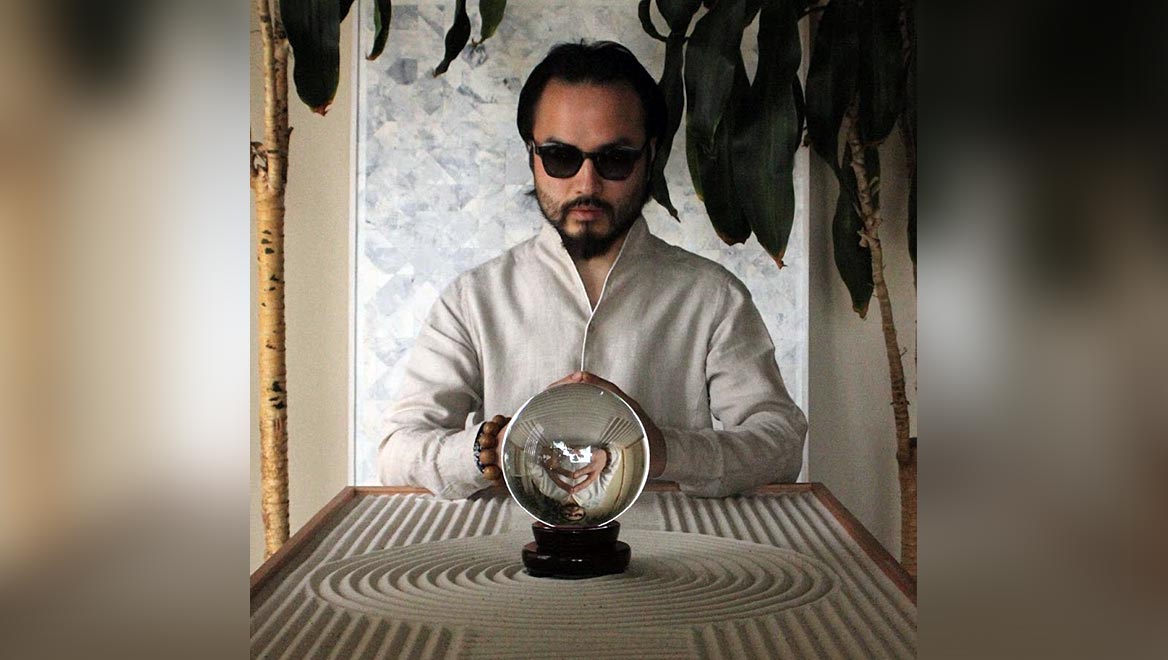

Begin with the Instagram Feed
Start with Yuki Kawae's Instagram. Scroll back three months and move forward chronologically. You'll encounter ink paintings that look deceptively simple—single brushstrokes, spare calligraphy, studies of bamboo or stone—paired with brief reflections on sitting practice. The format is perfect for first contact: each post is complete unto itself, yet patterns emerge. You'll see the same subject revisited across weeks, never quite the same. The captions aren't mystical; they're often mundane observations from the cushion or the studio. This is the entry point because it shows you immediately what Kawae does: refuses the separation between making art and practicing meditation.
After Instagram: Three Directions
Once the visual language feels familiar, go to the longer-form videos Kawae occasionally posts. Look for the ones showing actual brushwork in real time—twenty minutes of watching ink meet paper, no music, no narration. These aren't demonstrations; they're documents of practice. You'll either find this meditative or tedious, and that response tells you something.
Next, find the thread where Kawae discusses wabi-sabi not as aesthetic theory but as what happens when you notice your fifteenth attempt at a circle is worse than your third. The writing here gets specific about failure, repetition, and the gap between intention and execution.
Finally, if you're still engaged, look at the earliest posts available. The work isn't worse—it's more anxious. You can see someone trying to make "Zen art" before learning to just make art while practicing Zen. The trajectory is instructive.
What to Expect
Your first encounter will probably feel quiet. Not peaceful—quiet. There's restraint that can read as withheld or as spacious, depending on what you bring. The work doesn't announce itself. Many pieces are literally black ink on white paper: a rock, a blade of grass, the character for "nothing." The accompanying text won't explain the image. It might mention sitting zazen that morning, or rain, or some small frustration in the studio. You'll wonder if you're missing something.
The Common Misunderstanding
Beginners consistently mistake Kawae's work for being about serenity. They see minimalism and assume peace. But read closer: the practice Kawae describes involves boredom, distraction, physical discomfort, aesthetic failure. The ink paintings don't depict calm—they're made through the whole catastrophe of a human nervous system trying to pay attention for longer than it wants to. The work isn't serene; it's honest about what sitting still actually feels like. It documents presence, which includes restlessness.
When This Lands Hardest
Kawae's work hits differently depending on where you are. It finds people after burnout, when productivity theater has stopped working. It lands during creative blocks, when you've forgotten why you started making things. It resonates when meditation practice has gone stale and formulaic, or when you're first discovering it and everything feels precious and false. The common thread: transitions where old ways of working or being aren't functioning, but new ones haven't emerged. Kawae offers no solutions, just company in the repetitive middle.
Your One-Week Starter Plan
Days 1-2: Spend fifteen minutes each day with the Instagram feed. Don't read the captions yet—just look.
Day 3: Go back and read what you looked at. Notice what the words add or subtract.
Day 4: Watch one long-form video of brushwork. Don't multitask. If you get bored, notice that.
Day 5: Try making something with limited materials. One pen, one piece of paper. Make the same simple form ten times. Don't share it.
Day 6: Find Kawae's reflections on failure or imperfection. Read them slowly.
Day 7: Sit quietly for ten minutes without a device. Then look at three pieces of Kawae's work again.
By the end, you'll know whether this practice has anything to say to you right now.