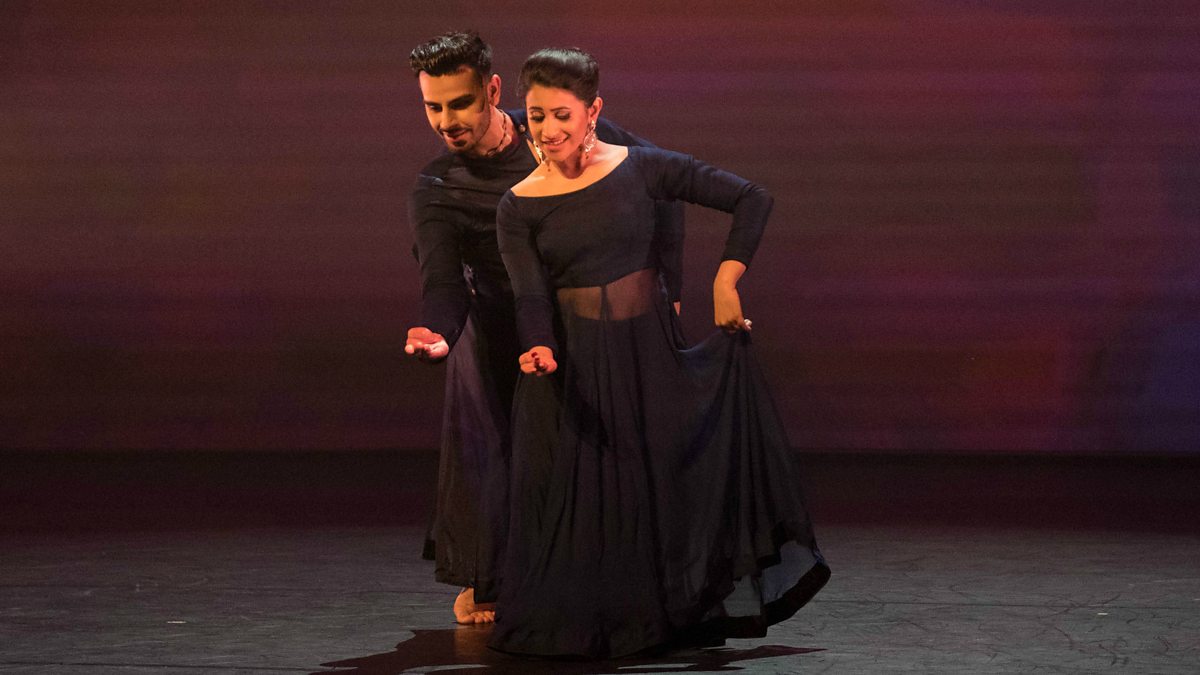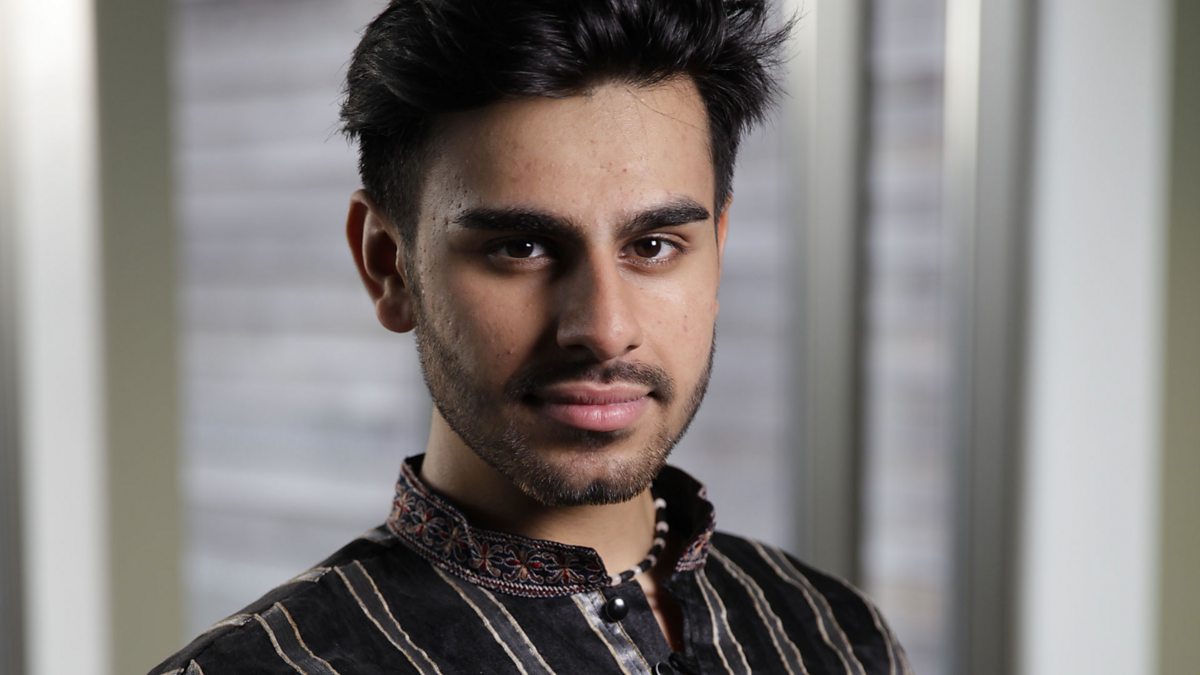

Shyam Dattani is a classical Indian vocalist who has quietly built a practice around a simple but increasingly radical idea: that some music only reveals itself when the room is small, the audience is close, and the performance unfolds without mediation. Working primarily in the genres of ghazal and thumrī—two poetry-driven forms from the Hindustani classical tradition—Dattani has become a key figure in the revival of the baithak, the intimate salon-style gathering that has historically served as the natural home for these repertoires.
His work is less about spectacle and more about restoration: of listening conditions, of intimacy, of the relationship between text and melody that defines the expressive wing of North Indian classical music. In an era when classical music is often experienced in concert halls or through recordings, Dattani has chosen to orient his entire practice around the format the music was originally composed for.
The baithak—sometimes called a mehfil—is not simply a small concert. It is a distinct presentation format with its own aesthetics, social codes, and acoustic logic. Listeners sit on the floor or in close proximity to the performer. There is no stage, no amplification, no fixed distance between artist and audience. The music unfolds without the visual and spatial hierarchies of the proscenium. What emerges in this setting is a kind of listening that rewards subtlety: the catch in a phrase, the ornamentation that colours a single word, the way a line of Urdu poetry is stretched or compressed to reveal new emotional contours.
Ghazal and thumrī both depend on this level of granularity. Ghazal, rooted in the classical Urdu poetic tradition, is a form where the verse itself—its metaphor, its wordplay, its emotional architecture—is as important as the melody. Thumrī, a semi-classical genre often associated with the courtesan tradition of Lucknow and Banaras, is built around the elaboration of a single emotional motif, usually romantic longing or devotion. Both forms are dense with ornamentation, microtonal inflection, and rhythmic liberty. In a large hall, these details can evaporate.
Dattani's commitment to the baithak is not nostalgic but structural. He has recognized that the format is inseparable from the repertoire—that to perform these works in the wrong container is to fundamentally alter what they communicate.
As artistic director and host of Poems of Love, a recurring baithak series presented in collaboration with Aangan Studio London, Dattani has moved beyond performance into curation. Each session brings together vocalists and instrumentalists around thematic or stylistic threads, creating a curated listening experience that honours both the music and the tradition of the mehfil as a gathering space for poetry and song.
The series operates as both performance and pedagogy. For audiences unfamiliar with the ghazal or thumrī traditions, the baithak format offers an entry point that is experiential rather than didactic. The intimacy of the setting allows listeners to perceive the relationship between text and melody, to hear the ways in which a single couplet can be interpreted across different ragas or rhythmic cycles, to understand the music not as background but as a form of close reading.
For artists, the series provides a rare opportunity to perform these repertoires under the conditions they were written for—a space where the music does not need to project, where silence is part of the structure, where the audience's attention is the only amplification required.
Dattani's work is part of a larger, mostly decentralized movement within the Hindustani classical community to preserve presentation formats that are being displaced by the economics of large-scale touring and festival culture. The baithak model, historically associated with royal courts and the patronage systems of pre-colonial India, has been revived in cities like London, Mumbai, and Delhi by artists and organizers who recognize that the loss of format is also a loss of repertoire.
This is not a matter of authenticity for its own sake. It is a recognition that certain musical languages are inseparable from their social and spatial conditions. Ghazal and thumrī were not composed for the concert stage. They were composed for rooms where listeners could respond in real time, where the performer could modulate based on the energy of the gathering, where the music was part of a broader culture of Urdu poetry, aesthetic refinement, and shared listening.
As these contexts have disappeared—along with the patronage systems that sustained them—the repertoires themselves have become endangered, not because no one performs them, but because the conditions that allow them to be heard have eroded.
Dattani's practice represents a kind of cultural stewardship that operates outside institutional structures. He is not reviving the baithak as a museum piece but as a living format, adaptable to contemporary urban contexts while retaining the core principles that make it distinct. The audience he reaches is often bicultural, spanning generations and geographies—South Asian diaspora communities reconnecting with inherited traditions, classical music aficionados seeking alternatives to the concert hall, and listeners simply drawn to the quietness and focus the format demands.
In a broader cultural landscape saturated with noise and distraction, the baithak offers something increasingly rare: a space structured around sustained attention, where the music does not compete for focus but commands it through intimacy. Dattani's work matters not because it is backward-looking, but because it insists that some forms of artistic expression require us to slow down, sit closer, and listen differently.