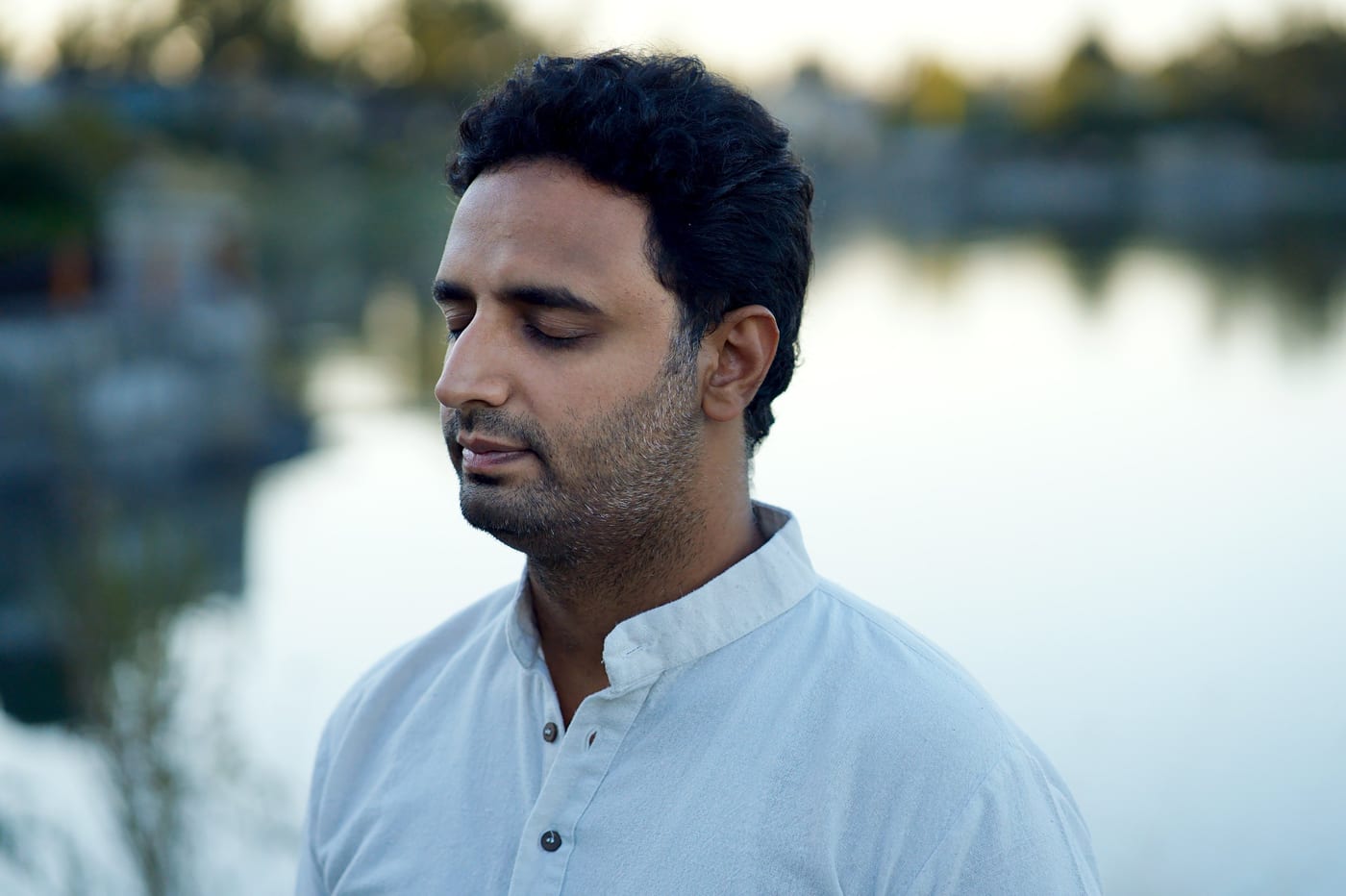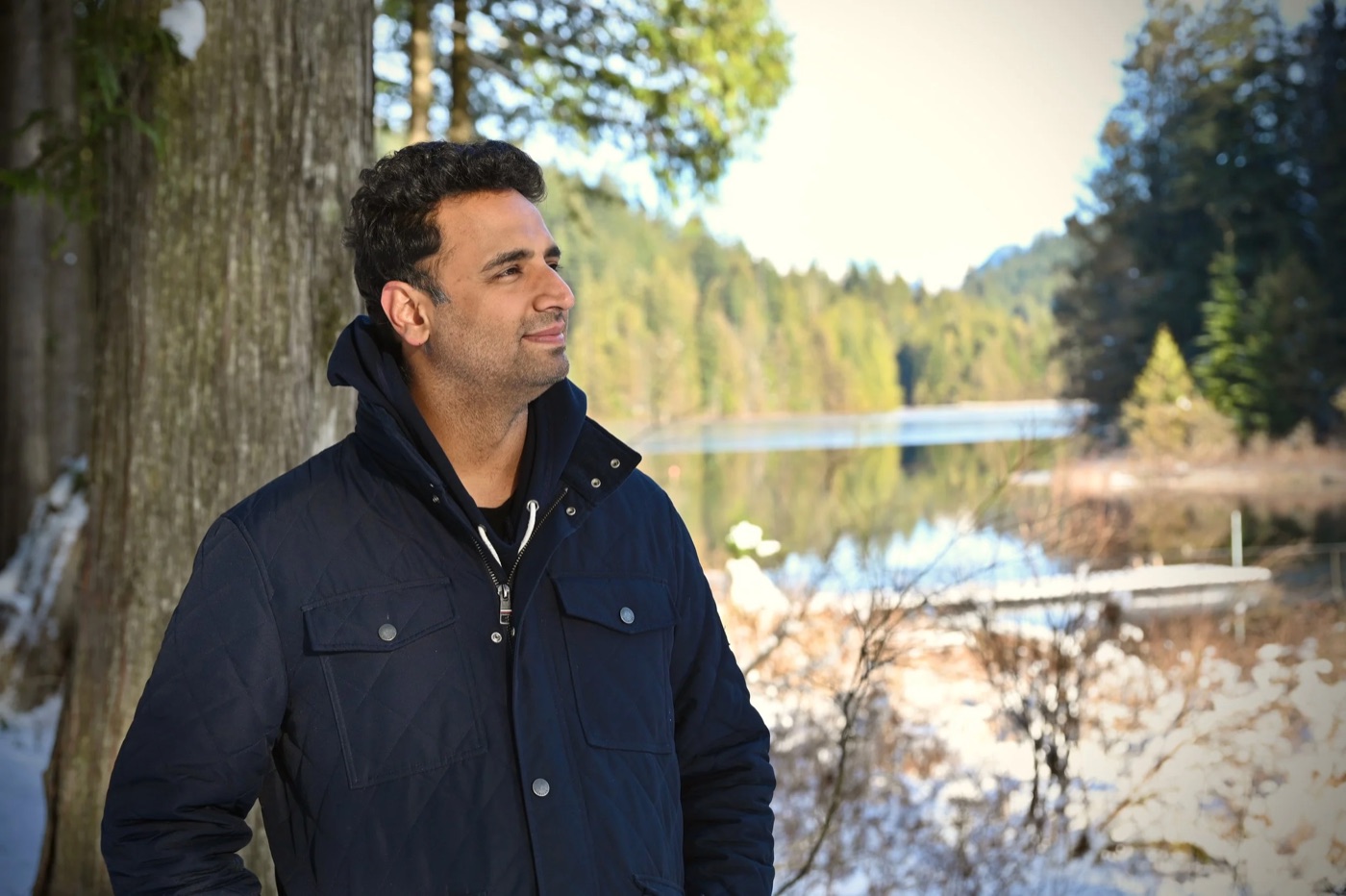

Saqib Rizvi is a Vancouver-based meditation teacher with no albums or books to point to. His work lives on Insight Timer, on YouTube (@saqibrizvi), and in live and private sessions booked through saqibrizvi.com. That makes the starting question simple: which door do you walk through first?
Start with his guided meditations on Insight Timer, where more than 71,000 people follow him. Pick one and listen to it all the way through. You'll hear his voice, his pacing and how he gives instructions, which tells you more than any description. The sessions focus on the mechanics of awareness and attention rather than ambient atmosphere, so you learn quickly whether his style suits you.
If you'd rather understand the framework before you sit, reverse the order. Begin with his YouTube talks on consciousness and then come back to the guided practice.
His Insight Timer talks. After a guided session, try his teaching talks on the same platform. They show how he explains what the practice is doing.
The YouTube channel. The library is organized by topic. Look for introductions to Tibetan Buddhist concepts, which form the backbone of his practice instruction. He refined that practice at the Tushita Meditation Centre in Dharamsala.
The consciousness and science talks. These engage researchers such as Nassim Haramein and Robert Lanza. This is where his engineering background shows most clearly.
A workshop or private session. If the recordings work for you, saqibrizvi.com has booking details for live workshops and private meditation-based sessions.
Expect precision rather than sweetness. He trained as a professional engineer, with an MBA in Marketing Communications, and spent his days on electronic circuits and telecommunication systems. He explains consciousness and meditation in clear, logical steps and then invites you to check them against your own experience. He avoids wellness vocabulary and doesn't offer reassurance for its own sake. If you want warmth and comfort, he may feel cooler than you expected.
His sources range widely: Buddha and Lao Tzu, Osho, Neale Donald Walsch and Rupert Spira, plus Haramein, Lanza, Amit Goswami, Rupert Sheldrake, Dean Radin and Carl Jung. His site says all paths are pathless, and that any one of them leads to the same point.
"It's a relaxation or sleep tool." He doesn't frame meditation as stress reduction or a productivity aid. He treats it as an exploration of consciousness and identity.
"The physics is there to make spirituality sound credible." The science is meant to point you back to direct experience, not replace it. Treat the references as context, not proof.
"He's a guru to follow." He positions himself as a guide toward your own clarity, and he doesn't ask for belief or devotion.
"The mix of traditions is vague eclecticism." The range of influences reflects his view that awakening comes from direct experience and inquiry, not sectarian loyalty. Tibetan Buddhist practice is still the foundation.
"His story is a prescription." He left his religious identity and his career, but he isn't telling you to do the same. The point is a willingness to question what you've inherited.
This work tends to hit hardest when inherited beliefs, whether religious, cultural or professional, have started to feel misaligned with what you actually experience. His own story began when a quiet voice of intuition questioned the doctrine he was raised in, and he describes feeling trapped in what he calls his "Mind Prison." It also suits analytical people, such as engineers and other left-brained professionals, who have been put off by spiritual teaching that demands faith. If you're defensive about your current worldview, it may feel confrontational instead.
Day 1: Listen to one guided meditation on Insight Timer. Don't judge it. Just notice how the instructions land.
Day 2: Repeat the same meditation, then note what changed on the second pass.
Day 3: Listen to a teaching talk on Insight Timer about awareness or identity.
Day 4: Sit with a different guided meditation of his.
Day 5: Watch a YouTube talk that introduces a Tibetan Buddhist concept.
Day 6: Watch a YouTube talk on consciousness science, such as one touching on Haramein or Lanza. Ask yourself whether the science helps or distracts.
Day 7: Return to your favorite meditation from the week. Then decide whether to subscribe, follow him on Insight Timer, or look at saqibrizvi.com for a workshop or private session.
Keep each sitting short enough to repeat daily. Consistency matters more than length.