Begin with Bandcamp, Not Instagram
Your best entry point is Roaman's Bandcamp catalog. Skip the Instagram feed for now—context without content will only confuse you. Go to Bandcamp, listen to their most recent release straight through without skipping, and pay what you can for it. This matters because Roaman's work functions as sustained argument, not as singles. The songs build a case for joy as practice rather than accident, and you need to hear that architecture complete before you encounter the fragments on social media.
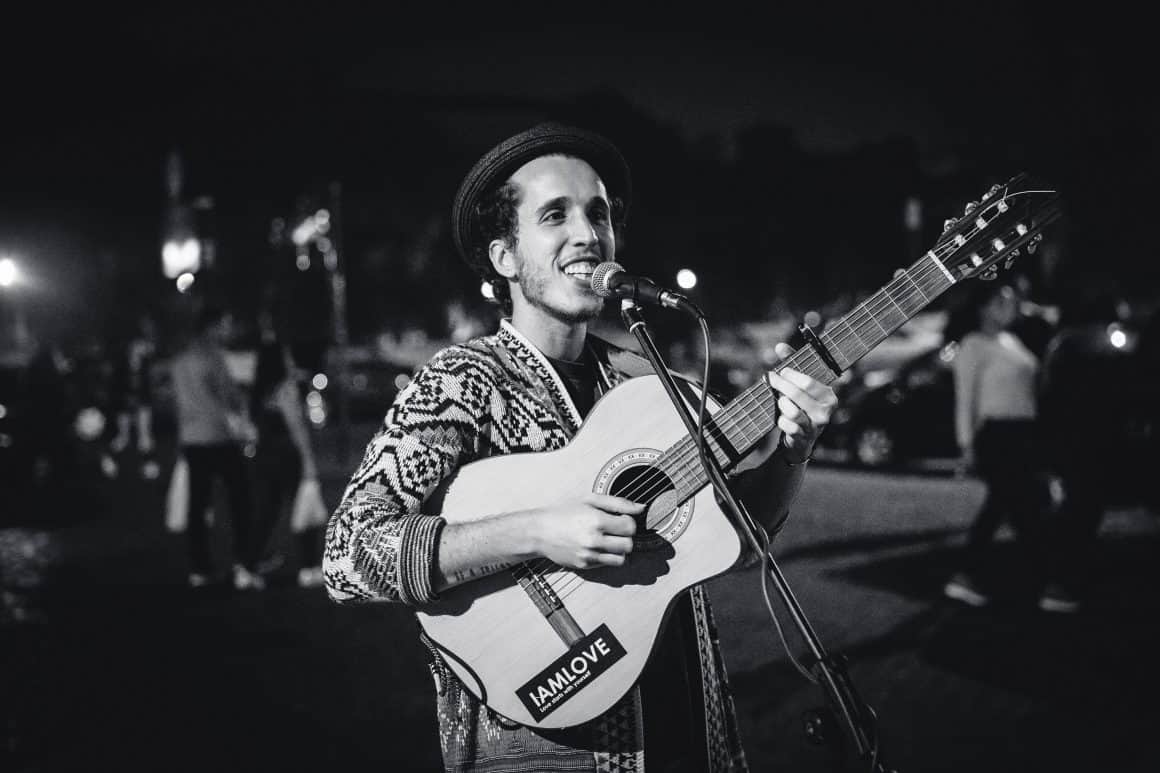
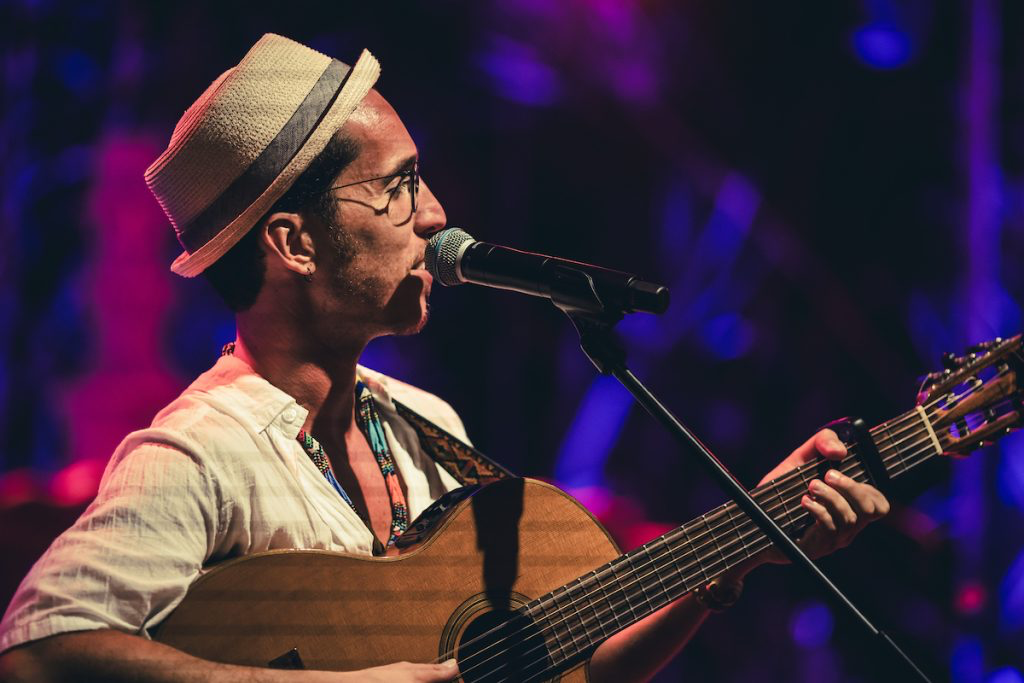
After Bandcamp, watch their YouTube videos. Look for performances rather than vlogs—the live takes where you can see hands on instruments, watch facial expressions shift mid-verse. Roaman's artivism isn't abstract theory; it's visible in the physical act of making music. Third, read three consecutive newsletter issues. The newsletter is where the intellectual framework lives, where they explain what they're attempting and why it might matter to your life specifically.
What Happens on First Listen
Expect to feel disarmed. Most of us arrive at new music with defensive listening habits—we're cataloging influences, comparing production values, deciding if we like it within thirty seconds. Roaman's songs don't reward that approach. They're structurally patient, melodically generous, and lyrically direct in ways that contemporary music has taught us to distrust. The first encounter often produces a strange double sensation: the songs feel immediately familiar (no experimental challenging of form here) and unsettlingly intimate (wait, are we allowed to just say these things?).
The production is clean but not polished to anonymity. You'll hear the room. You'll hear breath between phrases. This is intentional—the vulnerability isn't only lyrical.
The Most Common Mistake
Beginners almost always misread Roaman as therapeutic background music. They file the work under "self-care" or "healing" and expect pleasant affirmations. This fundamentally misunderstands the project. Artivism as Roaman practices it isn't about comfort—it's about using creative work to build capacity for different kinds of engagement with the world. The joy they advocate for is muscular, strategic, resistant. It's not the feeling you get from a bath bomb; it's the practice you need to stay functional in systems designed to exhaust you.
The second mistake: assuming this is purely personal work. These aren't diary entries set to melody. Roaman is attempting something civic, building what they call community through sustained creative dialogue. The Patreon, the newsletter, the comments sections—these aren't marketing. They're the work itself.
When This Lands Hardest
Roaman's music finds people at threshold moments. You're most likely to connect with this work when you're: rebuilding after loss, questioning whether your creative practice matters, trying to figure out how to stay tender in a harsh field, or actively seeking alternatives to extraction-based models of making art.
It also tends to resonate during periods of intentional solitude—not loneliness, but the kind of chosen apartness where you're trying to hear yourself think.
Your First Week
Day 1: Listen to the most recent Bandcamp release. Once through, no interruptions.
Day 2: Listen again. Read the liner notes if available. Pay for the album.
Day 3: Watch three YouTube performance videos. Notice what happens physically when they sing.
Day 4: Subscribe to the newsletter. Read the three most recent issues.
Day 5: Choose one song that landed hardest. Listen five times in a row.
Day 6: Explore their Instagram, now that you have context. See how the fragments relate to the whole.
Day 7: Decide about Patreon. If this work is doing something for you, fund its continuation. If not, move on without guilt.
Roaman's work asks: what if we built differently? Start listening for the answer.