
The Unlikely Journey of a Western Monk
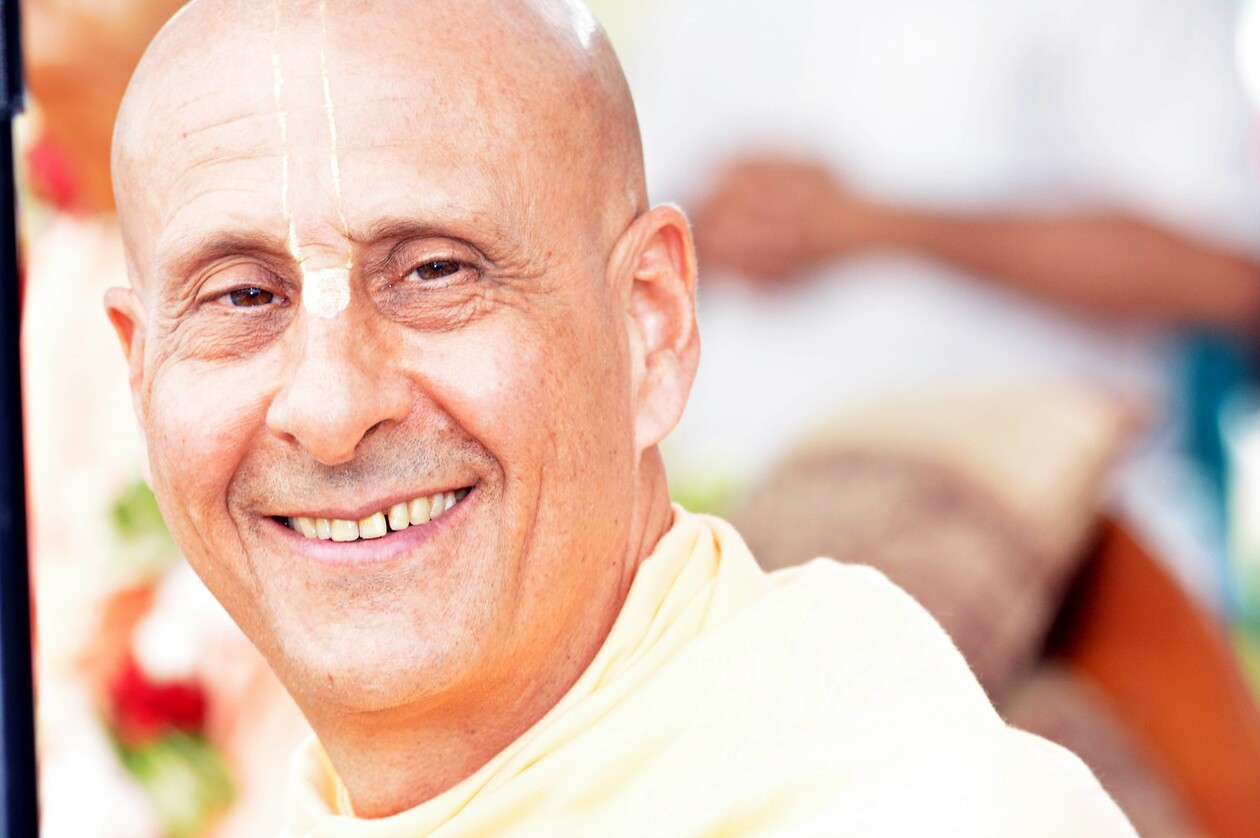
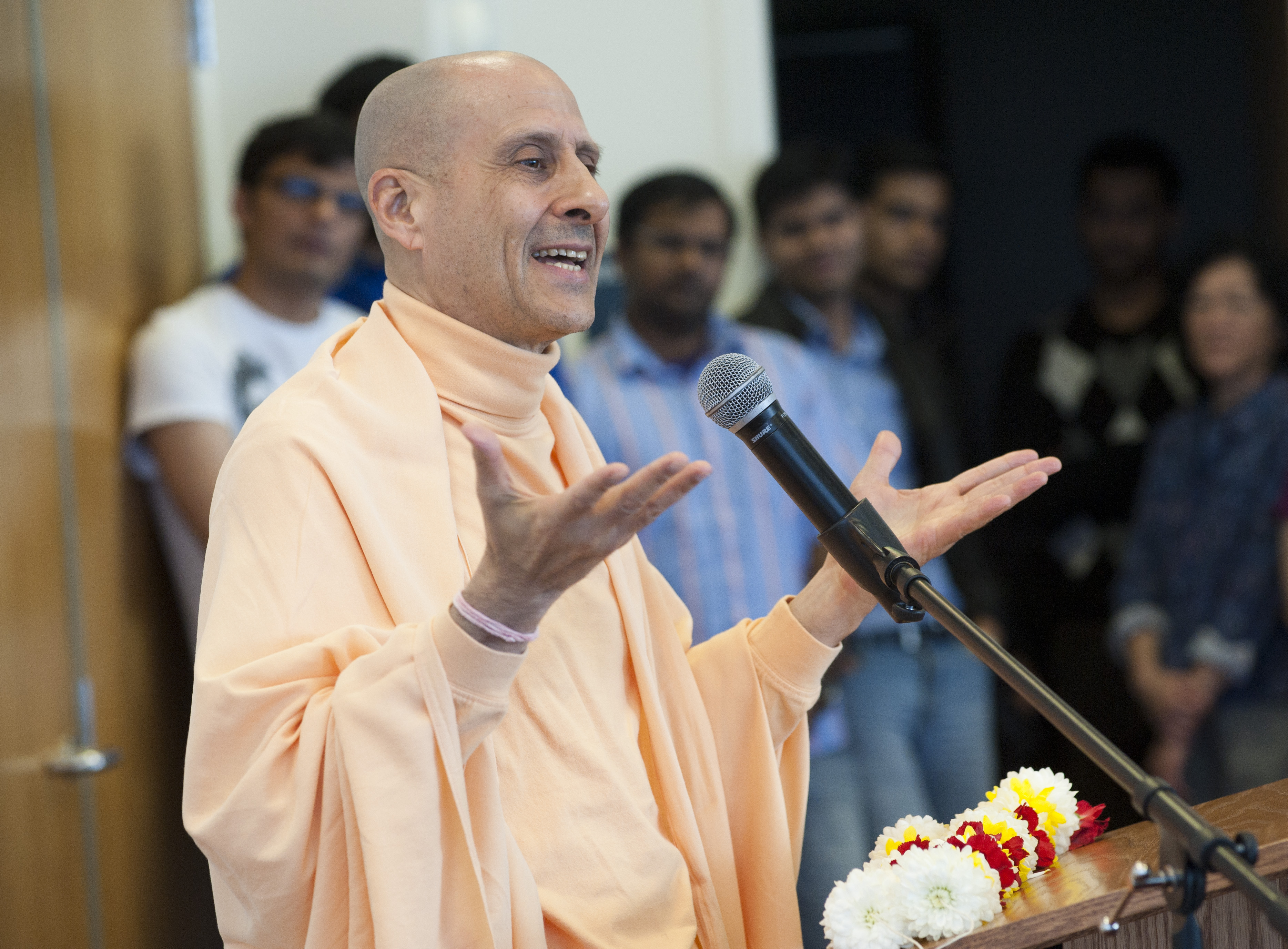
Radhanath Swami occupies a distinctive space in contemporary spiritual life—a Western monk who has spent over five decades within the bhakti yoga tradition, building bridges between ancient devotional practice and urgent modern challenges. His influence extends far beyond the meditation hall, encompassing large-scale humanitarian initiatives that have touched millions of lives across continents.
What distinguishes Radhanath Swami from many spiritual teachers is the scope and substance of his work. This is not merely a figure who teaches meditation or leads retreats, but someone who has translated spiritual principles into tangible social action—feeding over a million children daily, providing healthcare to underserved populations, and modeling sustainable living practices that have earned international recognition.
The Power of the Written Word
Radhanath Swami first reached a mass audience through his memoir The Journey Home, which became a #1 New York Times bestseller. The book traces his spiritual seeking and eventual commitment to the bhakti path, offering readers an intimate look at the inner landscape of devotional practice. Its success demonstrated a widespread hunger for authentic spiritual narrative—stories that don't promise quick fixes but instead chronicle the real work of inner transformation.
His follow-up, The Journey Within, continued to build on this foundation, reaching readers worldwide and establishing him as a voice capable of making ancient yogic philosophy accessible to contemporary audiences. These works have become touchstones for those exploring bhakti yoga, the devotional tradition emphasizing love and service as paths to the divine.
Social Action as Spiritual Practice
Where Radhanath Swami's legacy becomes most tangible is in the network of social initiatives he has established and directed across India, Europe, and North America. These projects represent a practical application of bhakti principles—devotion expressed through service to those in need.
The Midday Meals Project stands as perhaps the most far-reaching of these efforts, serving over 1.2 million vegetarian meals daily to school children across India. Since its inception, the program has delivered more than 4 billion meals, addressing interconnected crises of poverty, malnutrition, and illiteracy. The scale alone is staggering, but the philosophy underlying the program matters equally: nourishing children's bodies as a prerequisite for nourishing their minds and futures.
In healthcare, the Bhaktivedanta Hospital Group implements what Radhanath Swami calls holistic treatment—addressing not just physical symptoms but mental, emotional, and spiritual dimensions of wellness. The network has performed over 33,000 free cataract surgeries through mobile eye camps, directly confronting India's blindness epidemic among vulnerable populations who lack access to basic medical care.
The Govardhan Ecovillage represents yet another facet of this work: demonstrating sustainable living in harmony with natural systems. The project has received recognition from the United Nations World Tourism Organization as a model eco-community, proving that spiritual values and environmental stewardship can be mutually reinforcing.
Building Infrastructure for Inner Life
Beyond India, Radhanath Swami has created spaces for spiritual practice adapted to different cultural contexts. The Bhakti Center in Manhattan offers meditation, yoga, and even 12-step recovery programs—bringing bhakti practices into conversation with contemporary wellness and healing modalities. This isn't about erasing tradition but translating it for urban practitioners seeking depth in the midst of demanding lives.
Vani School extends this educational mission into the digital realm, providing online courses in bhakti yoga, Ayurveda, and kirtan—the devotional singing practice central to the tradition. Additional programs focus on women's empowerment, youth skill development, and support for agricultural communities, creating a comprehensive ecosystem of spiritual and practical education.
Faith, Ecology, and Global Dialogue
Radhanath Swami's work has increasingly engaged with global environmental challenges. His service as a councillor for UNEP's Faith for Earth initiative and participation in United Nations discussions on climate, biodiversity, and plastic pollution reflects a recognition that spiritual communities must be active participants in addressing planetary crises.
This environmental engagement flows naturally from bhakti philosophy, with its emphasis on reverence for all life and the interconnectedness of existence. Radhanath Swami brings a distinctive voice to these conversations—one rooted in devotional practice rather than secular environmentalism, yet deeply committed to practical outcomes.
A Legacy Still Unfolding
More than fifty years into his spiritual journey, Radhanath Swami continues to expand his reach and deepen his impact. His significance lies not in charismatic performance but in sustained commitment—building institutions that will outlast any individual, creating systems of care that serve immediate needs while pointing toward transformed relationships with food, health, nature, and community.
He matters because he offers a model of spirituality that refuses the false choice between inner contemplation and outer engagement. For those drawn to bhakti yoga, he provides both teaching and infrastructure. For those concerned with social justice, he demonstrates how spiritual communities can mobilize for meaningful action. And for those seeking authentic wisdom in an age of spiritual commodification, he presents a life of genuine practice—one measured not in followers accumulated but in children fed, sight restored, and sustainable futures built.