
White Feather is a single, one track released on May 13, 2025. It is a small object, and it is best approached as one sustained gesture rather than a collection of songs. What follows is an editorial reading of where it sits and how it might be heard, not an official account of its intentions.
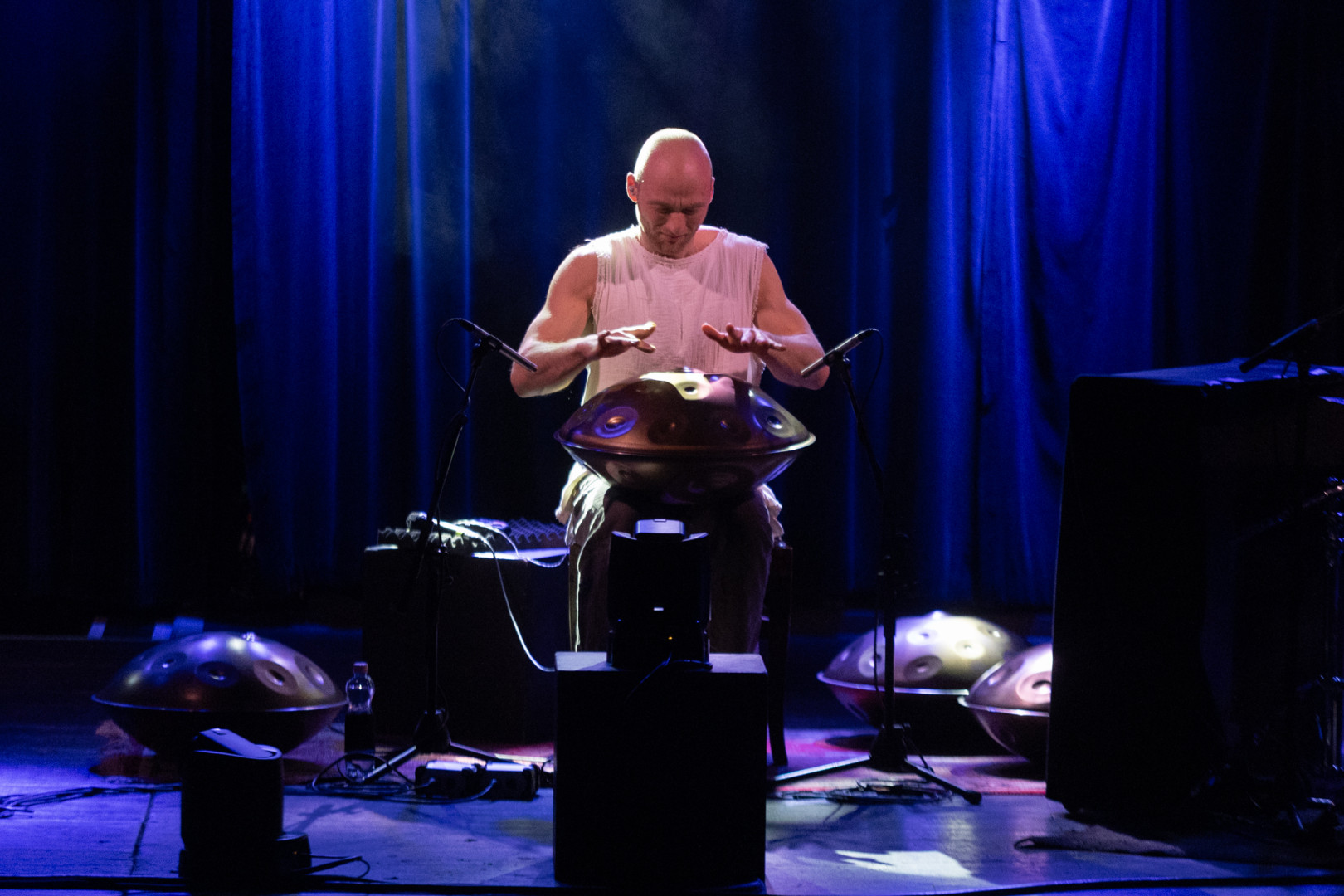
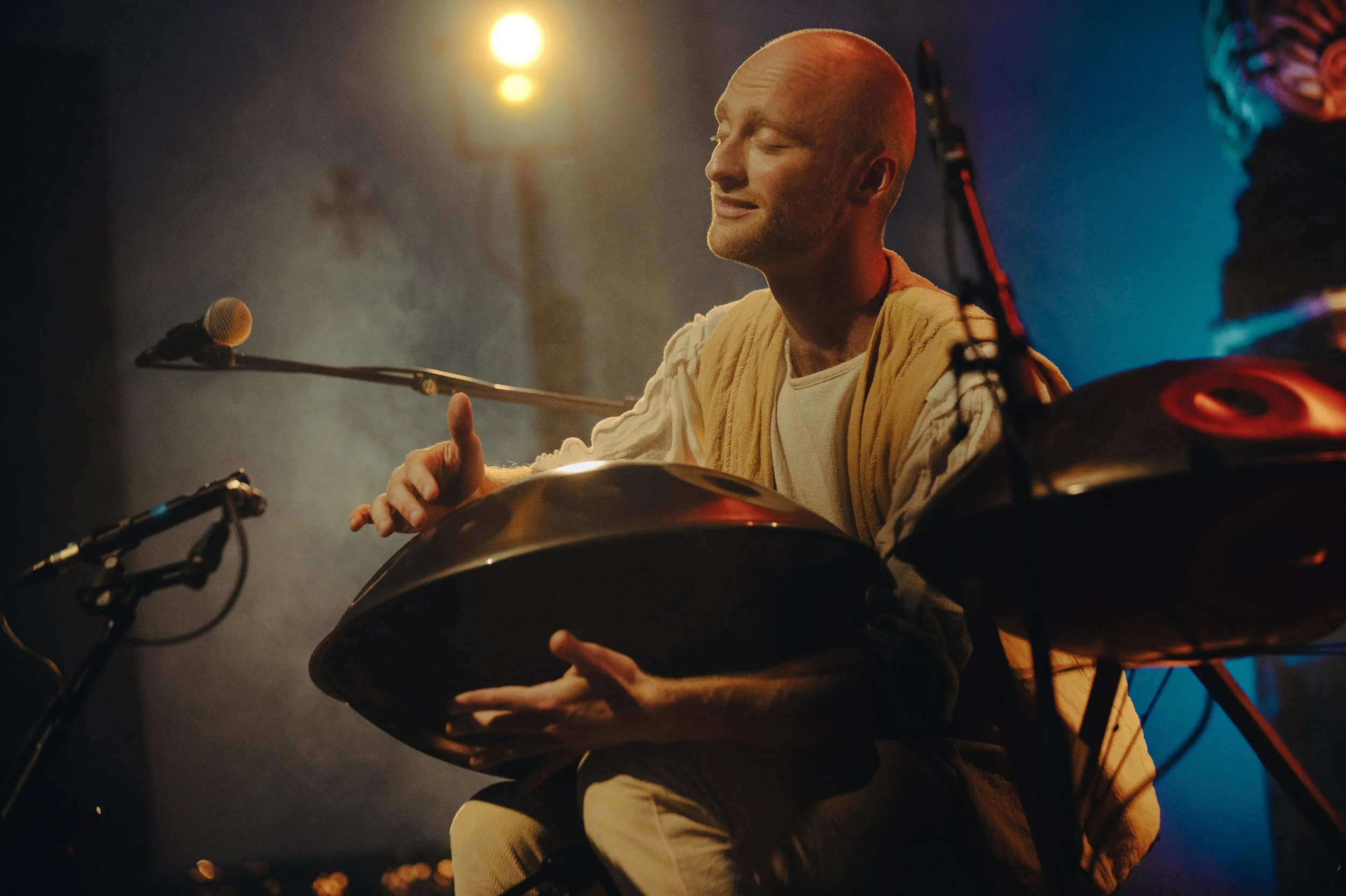
Malte Marten describes himself as a handpan player at his core. His path began in 2014 with a video of the duo Hang Massive, which led him to sell his beatmaking and DJ equipment to buy a first handpan. He played on the streets of Berlin, then toured from 2015 to 2020 with his former duo, Yatao. After that project ended in 2021, he began a solo career, funding his first solo studio album through crowdfunding.
White Feather arrives well into that solo chapter, in a year when he was releasing at a remarkable pace. His catalogue shows fourteen singles in 2025 alone, and Path to Inner Peace (June 6) and Roots of Hope (June 27) followed within weeks of this one. Read that way, White Feather is an early-summer entry in a prolific season, a single offered ahead of the fuller albums that came after it.
The available materials describe his music as handpan-centred, with round, resonant tones carrying almost every release. They list no other instruments or vocalists on his recordings, so it is fair to expect a solo-instrument sound, not a band or ensemble. Pacing in his work is slow and deliberate: long tones, gradual shifts, and no verse-chorus hooks. His YouTube channel frames the music as music to relax and release, and the mood is contemplative rather than virtuosic.
One detail is worth noting. Because he came to the handpan from beatmaking and DJing, his releases carry what could be called a rhythmic patience that feels built rather than improvised. Even at a very gentle tempo, expect a sense of structure underneath the stillness.
Since White Feather is a single with one track, the title track is the whole story. I won't describe its internal moments, because no track-level details are available to me. What I can say is what the format asks of a listener. A single gives you a fixed span of time with one idea, and it works as a low-commitment test of his mood. His own catalogue guidance points the same way: short one-track releases suit anyone who wants to sample the atmosphere before committing to a full record.
The title itself suggests lightness and quiet, but treat that as an impression, not a stated meaning. Unlike several of his 2025 singles, this one carries no frequency tag in its title, so it sits slightly apart from the 777, 999 and 1111 Hz naming convention that defines much of his output and divides some listeners.
The materials name no formal tradition for Malte Marten, so it would be a mistake to file this under bhakti or kirtan. The most accurate frame is the modern handpan lineage that begins with the Hang, the instrument in the video that set his path in motion. Within it, he works as a player-teacher, and his approach is described as personal and practice-based rather than doctrinal. He teaches from experience, not from rules, and his method centres on accessing deep feelings and expressing them musically. In that sense White Feather belongs to ambient and meditative instrumental listening in function, even though no genre tags are listed for him.
This single suits listeners who want stillness without commitment: someone winding down after a long day, someone newly curious about the handpan, or someone going through a difficult stretch who wants quiet company. He has said that what moves him most is hearing that his music helped people through personal challenges and brought them clarity, and that is the spirit in which this kind of release tends to be received.
It is not for everyone. Listeners wanting driving grooves, high-BPM energy or varied song structures will find the pace too slow and open-ended.
Give it a single uninterrupted sitting, ideally in the evening, with headphones so the handpan's resonant tones and their decay can be heard in full. Put the phone away and let the track play from start to finish without skipping. If you want to extend the session, the natural next steps are Path to Inner Peace, which his own materials position as the clearest entry to his sound, and then Roots of Hope. There is no official ritual or ceremonial pairing for this track, so any such use is your own reading. If it resonates and you want to play yourself, his YouTube channel and online courses are the better route than another album.