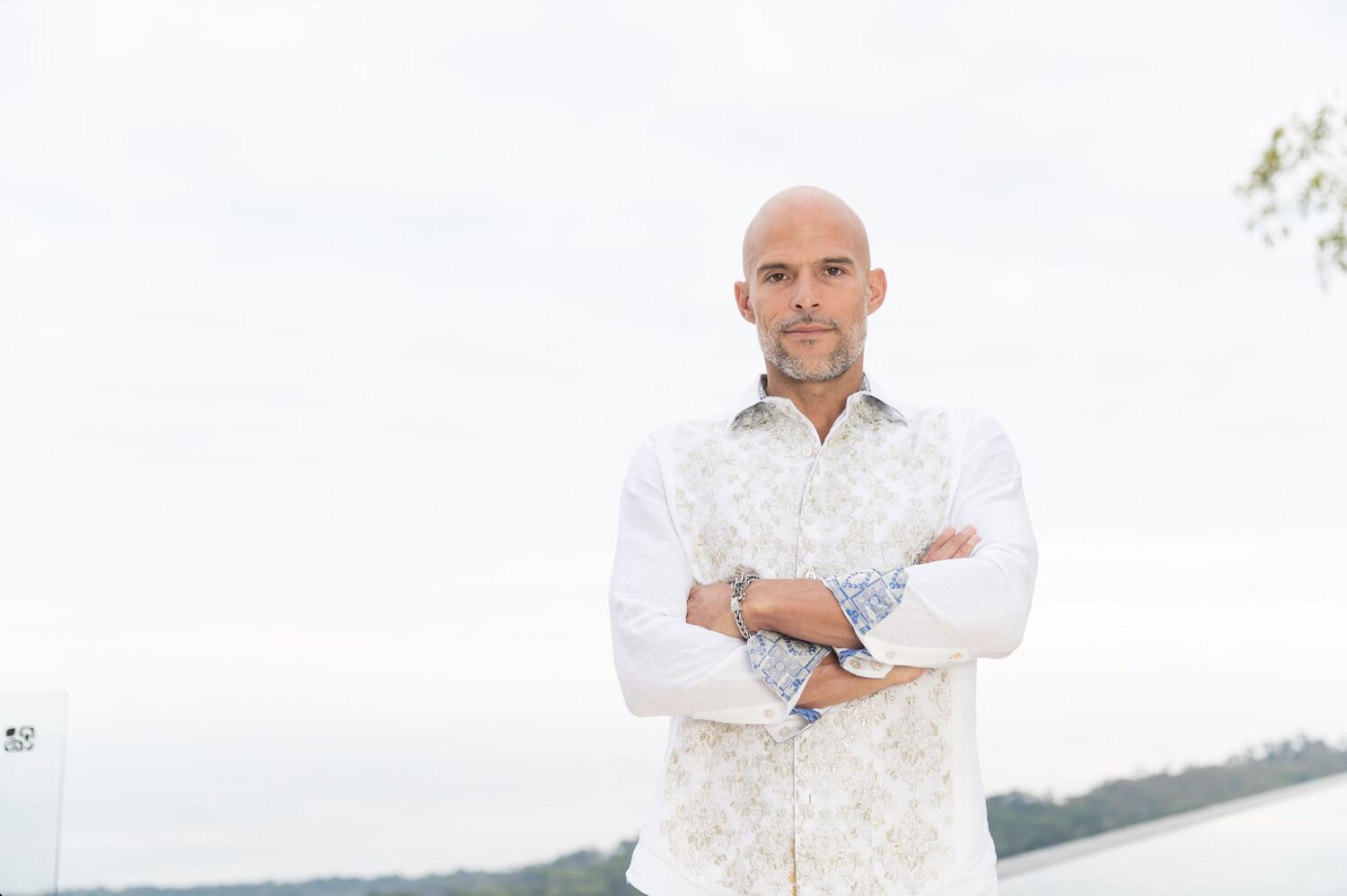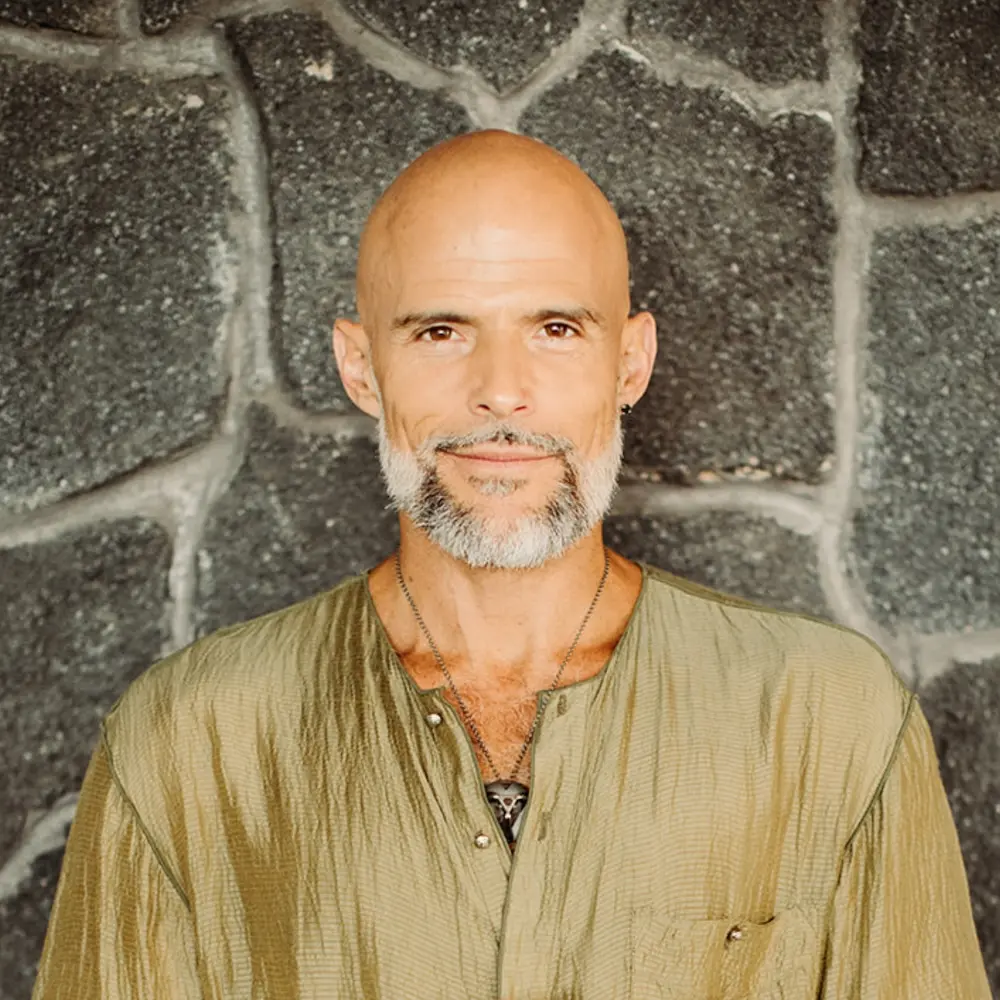

Juan Pablo Barahona—known to his students and collaborators as JuanPa—occupies a distinctive space in the contemporary wellness landscape. Over two decades, he has constructed a comprehensive system of personal transformation that refuses to fit neatly into any single category. He is not simply a yoga teacher, though yoga forms part of his method. He is not merely a speaker, though he addresses audiences at some of the world's most prominent conscious living festivals. Instead, Barahona has become something more difficult to define: an integrator, weaving together disparate healing modalities into coherent pathways for those seeking fundamental change.
His approach is ambitious in scope. The programs he has developed draw from quantum physics and kinesiology, from Toltec and tantric philosophy, from shamanic traditions and energy medicine. This synthesis could easily collapse under its own weight, yet Barahona has spent twenty years refining these connections, working with shamans across the globe to understand how ancient wisdom translates into contemporary practice.
Barahona's most concrete contribution to the field is institutional: he founded both Kawoq Conscious Living School and Juanpa Global, creating infrastructure for the kind of deep-dive transformational work that cannot happen in a single weekend workshop. These organizations represent his commitment to structured learning within the often diffuse wellness world, offering teacher trainings, immersions, and extended programs that demand serious engagement from participants.
The flagship offering is the Wild Leadership Training, a nine-day intensive that crystallizes Barahona's methodology. The program combines what he calls "ancestral embodiment" with contemporary understanding of mindset and what he terms "energy bio-hacking." It incorporates breathwork as a central technology, reflecting his expertise in pranayama and other breathing modalities. This is not leadership training in the corporate sense, but rather an excavation of personal power through somatic experience—a physical, embodied practice rather than intellectual exercise alone.
Equally significant is his Quantum Flow method, which appears to represent his synthesis of movement, energy work, and consciousness practices. Though details of the methodology are proprietary to his teaching, the name suggests an attempt to bridge the language of modern physics with the experiential reality of flow states and energetic awareness.
Barahona's calendar tells the story of someone who has earned recognition from the major institutions of the contemporary wellness movement. He teaches at Wanderlust, the international yoga and mindfulness festival; at Mindvalley University, Vishen Lakhiani's platform for personal transformation; at Bhakti Fest, the devotional music and yoga gathering; and at Envision Festival in Costa Rica, known for its integration of ecological awareness and spiritual practice.
This circuit represents the premier venues for transformational work, and Barahona's consistent presence suggests he has found an audience hungry for his particular integration. He brings not just yoga and meditation, but sound healing, shamanic practices, reiki, qigong, and somatic experiencing—a range that allows him to meet participants wherever they are in their own journeys.
His teaching modalities are equally varied. Beyond the festival stages, Barahona offers private one-on-one mentoring, digital courses that extend his reach beyond those who can attend in person, live workshops, and speaking engagements. This multiplicity of formats reflects a pragmatic understanding that transformation requires both community experience and individual attention, both inspiration and sustained practice.
Barahona's collaborative work with Regan Hillyer on Activating Abundance represents a turn toward the explicit language of manifestation. The book and accompanying multi-format program outline nine codes for abundance, combining Hillyer's expertise with Barahona's grounding in somatic and energetic practices. It is a partnership that bridges different audiences—those drawn to manifestation teachings and those seeking embodied spiritual practice—and suggests Barahona's willingness to translate his work across different vocabularies.
The project exists as both book and program, another example of his multi-platform approach. The written text provides intellectual framework; the program presumably offers the experiential practices that animate those concepts in the body and lived experience.
Barahona's work speaks to a generation seeking integration rather than specialization, looking for practitioners who can hold complexity rather than offering a single technique. His students are likely those who have already explored various modalities and are searching for someone who can demonstrate how these practices interconnect, who can provide not just techniques but a coherent philosophy of transformation.
In a field sometimes criticized for cultural appropriation and superficial engagement with traditional practices, Barahona's two decades working with shamans worldwide suggests a more serious apprenticeship. He appears to understand that borrowing from indigenous traditions requires relationship and time, not simply extraction of techniques.
His significance lies partly in this: he represents a maturation of the contemporary wellness movement, a shift from workshop-hopping toward sustained practice, from collecting techniques toward building integrated systems of living. Whether his particular synthesis will endure remains to be seen, but he has clearly found his people—those ready to do the longer, deeper work of transformation that cannot be completed in a weekend.
Today, Barahona continues to expand his reach through digital platforms while maintaining the intensive, in-person experiences that form the core of his teaching. His focus on "inner mastery, empowerment, and soul service" positions personal transformation not as an end in itself but as preparation for contribution. This emphasis on service distinguishes his work from purely self-focused development, suggesting that the ultimate purpose of healing and growth is to become capable of meaningful participation in the world.